Episode Details
Back to Episodes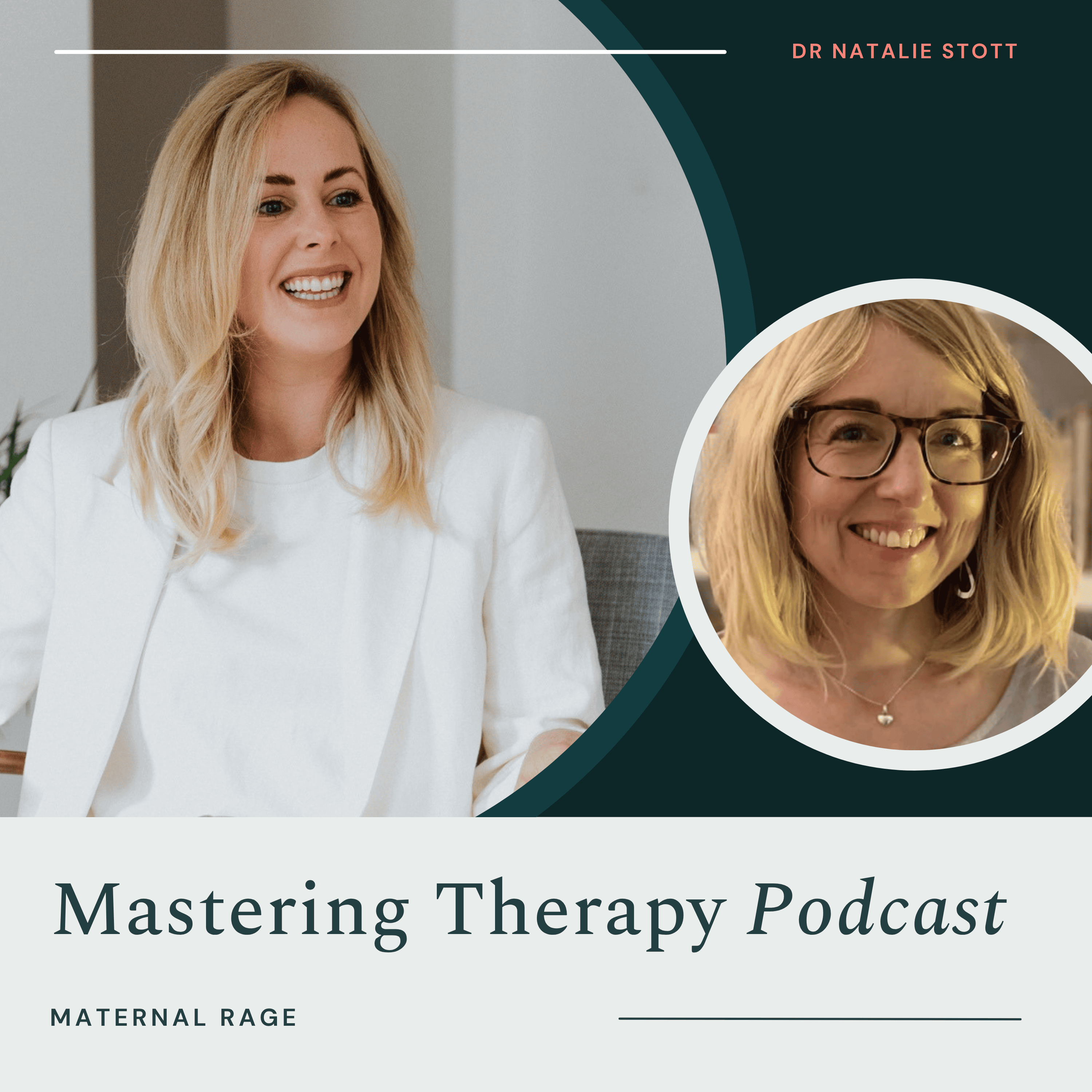
S4E10: Understanding Maternal Rage: A Guide for Therapists | Dr Caroline Boyd
Description
S4E10: Understanding Maternal Rage: A Guide for Therapists | Dr Caroline Boyd
EPISODE SUMMARY
Is it just anger—or is it maternal rage? Dr. Natalie Stott sits down with Caroline to unpack why mothers feel rage so acutely, and why it matters to name it as a distinct experience. We look at the four contextual forces shaping maternal anger, how cultural myths make mothers feel inadequate, and how therapists can best support clients when rage is shrouded in shame. The episode covers practical steps for mapping client “parts”, bringing the body into therapy, and normalising anger in the context of motherhood and clinical practice. There’s also discussion on therapist disclosure, staying mindful of your own triggers, and ways to deepen your work with mothers. Acceptance and Commitment Therapy (ACT) gets a mention in passing, but this conversation keeps the focus crisply UK-centric.
TIMESTAMPS
• 00:00 Definition and importance of maternal rage
• 00:10 Four contextual forces behind maternal anger
• 08:05 Therapist perspectives: bringing your own experiences into sessions
• 10:40 Asking mums about their own upbringing and anger
• 15:12 Mapping parts, parts work, and nervous system regulation
• 21:13 Impact of childhood experiences on adult anger
• 27:04 Using body awareness for anger management
• 41:06 Mapping parts and relating to “adult self”
• 44:32 Therapist disclosure and managing activation
• 51:00 Courses and resources for therapists and mums
KEY TAKEAWAYS
• Maternal rage is distinct from everyday anger—it’s shaped by societal, cultural, and personal forces.
• Mapping parts (IFS-informed) helps clients understand protective, wounded, perfectionist, and avoidant pieces of themselves.
• Normalising anger, referencing current research, and naming its prevalence helps reduce client shame.
• Therapists should sensitively explore how anger was held and expressed in clients’ upbringing.
• Body-based techniques and nervous system regulation are essential for helping mothers manage anger.
• Consider the impact of perfectionism and inner critic parts, which often drive maternal distress.
• Therapist disclosure needs careful consideration—check your motives and the client’s readiness before sharing.
GUEST
Clinical psychologist Dr Caroline Boyd has over 10 years' experience working in the NHS and mental health settings, and she supports parents from pregnancy to childbirth and beyond. Caroline offers anger courses, workshops and 1:1 therapy, alongside training and supervision, in her independent psychology practice, Parent Therapy Hub. Caroline is the author of Mindful New Mum, and her published research explores mothers' experiences of intrusive thoughts about their babies. Her work has been featured in You magazine, Grazia, the Telegraph, and BBC R4’s Woman's Hour. She is an Ambassador for UK perinatal mental health charity, PANDAS, and appeared as an expert guest on ITV’s daytime show, This Morning, to discuss postpartum depression. Caroline shares psychology ideas on Instagram and in the media to help parents feel less alone and more connected - to themselves and their children.d writes extensively on maternal rage, using parts work and body-based approaches.
Contact her- Website
RESOURCES
• Caroline’s maternal rage course for mums use MASTERINGTHERAPY code for £100 OFF
Training & Supervision for therapists: HERE
Listen Now
Love PodBriefly?
If you like Podbriefly.com, please consider donating to support the ongoing development.
Support Us