Episode Details
Back to Episodes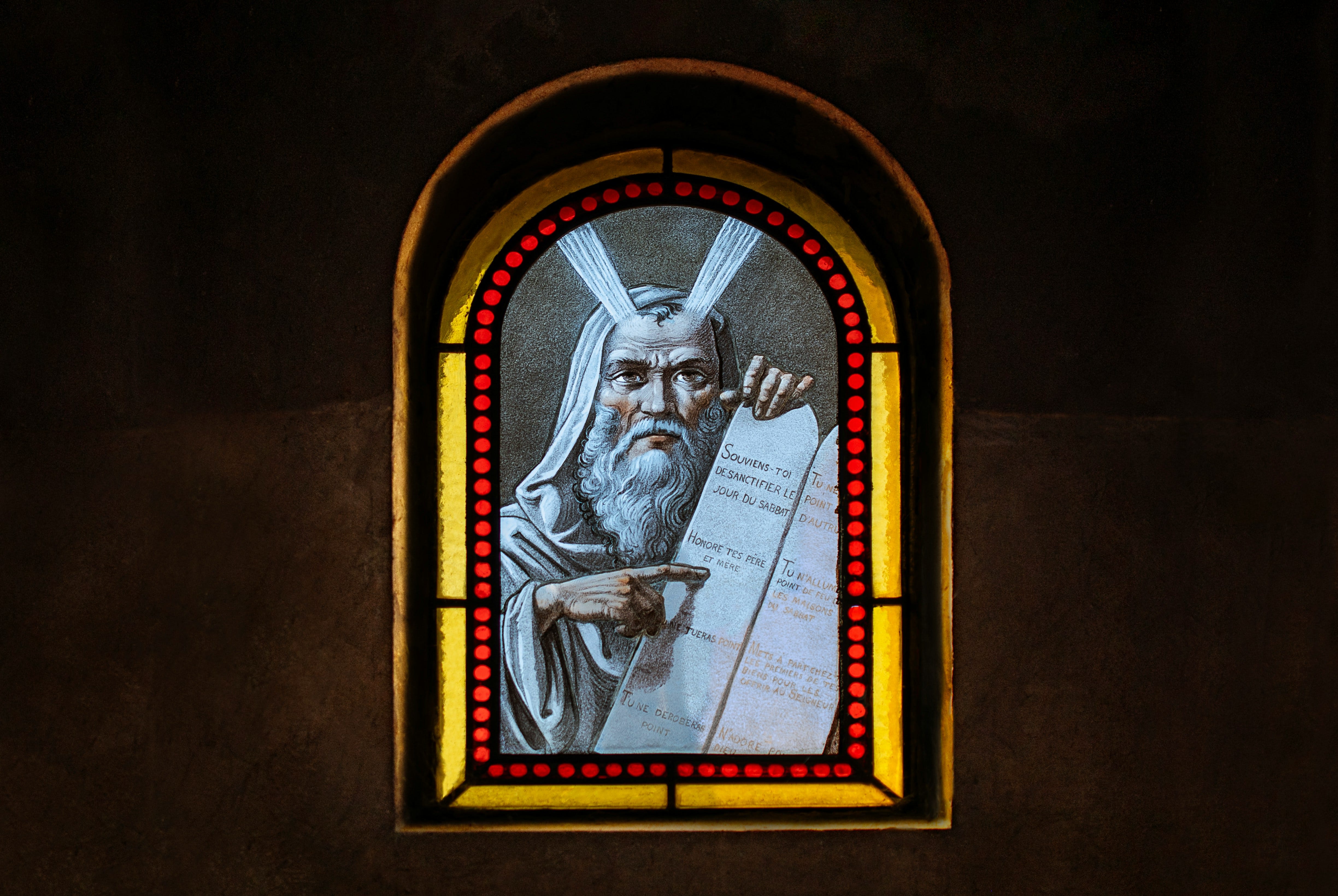
Why Rules-Based Morality Falls Short
Description
Several years ago, I was moderating a local online parenting group when a post made me do a double take. It wasn’t any of the usual controversies about sleep training or “rehoming” dogs. Instead, it was an ouroboros of antiracism, which became, incidentally, kinda racist?
I’m paraphrasing, but this was the gist:
“I need advice on hiring a nanny. My partner and I are white moms committed to antiracism. We don’t have many people of color in our lives, except for a housecleaner who comes weekly. We don’t want our kids to grow up seeing people of color primarily in subservient roles to white people, so we are thinking we should hire a white nanny. However, we are unsure how to explain this in a job listing. Any advice?”
Hoo boy. Where to even begin? I stared at my computer, dumbfounded, for a few moments. I was sympathetic to this anxious white mom who wanted to get antiracism “right,” but felt pretty surprised by where her conclusions led.
Heretic Hereafter is a reader-supported publication. To receive new posts and support my work, consider becoming a free or paid subscriber.
While I debated what to say, other commenters were quick to point out that posting a “whites only” job listing was not only immoral but actually illegal. Things got heated, as internet comment sections often do. Eventually, I decided to shut down commenting while sharing a link about state laws against employment discrimination.
But long after the comment frenzy, I found myself wondering about this poster. At the time, I was working with an organization teaching parents and teachers about antiracism and I’d seen many other instances of well-meaning white people blundering into racial faux pas.
What most of these instances had in common was a failure of empathy: white people thought of what they could do to or for people of color but did not stop to ask what those people of color actually wanted. I wondered if the poster could’ve imagined a person of color reading her theoretical job listing, would she have understood the problem?
It wasn’t just well-meaning blunderers that left me worried. Worse were those who were frog marched to mandatory antiracist training. These folks tended to spend the entire workshop sitting there with their arms crossed, rolling their eyes. They left me wondering whether company-mandated training might actually make workplace racism worse? After all, you can’t force someone into empathy.
The problem is that, for some, antiracism has come to mean a series of rules against microaggressions. But rules can’t get us where we need to go. In some of the schools where I led workshops, I’d hear stories of white teachers who, afraid of over-disciplining Black students, didn’t discipline them at all, instead relying on their Black colleagues to do it. (Yikes!)
In situations like this, we see how easily rules can become tools of shame or manipulation.
Don’t get me wrong, rules can guide us in the beginning, but our goal should not be perfect adherence but rather building relationships. And in all relationships there will be mistakes. What matters is how we repair.
It’s not just in neurotic lefty circles that we see this sort of legalism, of course. Earlier this month, Alabama governor Kay Ivey signed a law mandating the display of the Ten Commandments in public schools. This follows similar laws proposed in Texas, Tennessee, and Arkansas. (And let’s not forget Alabama supreme court chief justice Roy Moore, who campaigned to be “The Ten Commandments Judge” while also allegedly committing tax fraud and being sexually inappropriate with teenaged girls.)
For many Christians, the Ten Commandments have become an idol, a litmus test for who is good and worthy of respect. Rules-based morality often deteriorates into self-righteousness and exclusion of the “unworthy.” That’s because this sort of moral