Episode Details
Back to Episodes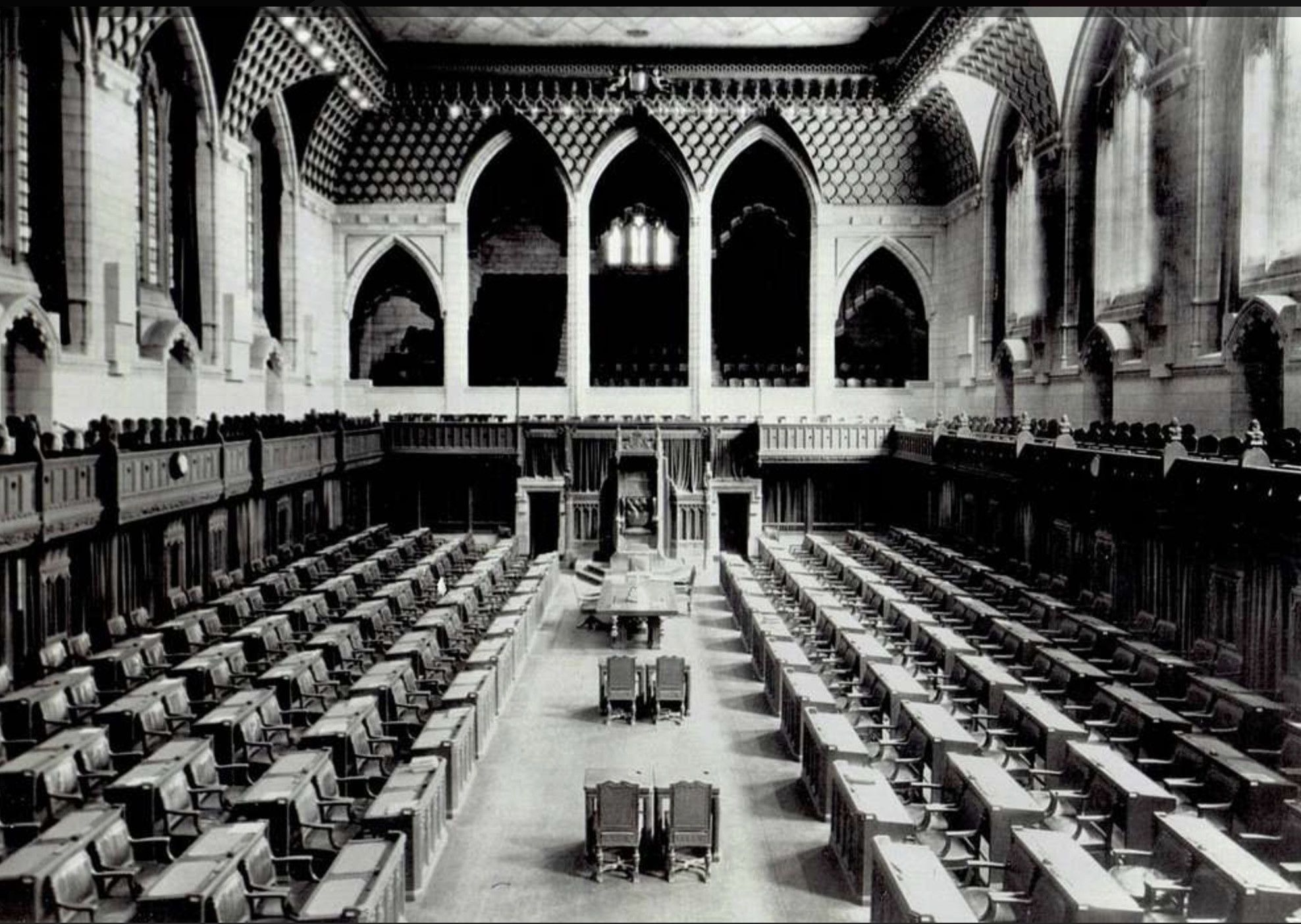
SCHEDULE THE JOHN BATCHELOR SHOW, 4-21-26. 1932 OTTAWA PARLIAMENT HILL
Description
SCHEDULE THE JOHN BATCHELOR SHOW, 4-21-26.
1932 OTTAWA PARLIAMENT HILL
1. Elizabeth Peek analyzes Kevin Warsh's nomination for Federal Reserve Chairman. The primary tension involves balancing Trump's demand for lower interest rates with Warsh's reputation as an inflation hawk. Warsh aims to reform Fed communications and reduce market noise while protecting the economy from rising inflation. 1
2. Elizabeth Peek discusses the Democratic Party's interest in Mamdani, comparing him to a younger, male version of AOC. She critiques his fiscal policies and progressive stance on Israel. Peek argues that while he appeals to urban blue states, his platform may fail to resonate with voters elsewhere. 2
3. Jonathan Schanzer reports on tenuous ceasefire negotiations in Islamabad led by JD Vance. While the US maintains an oil blockade, Iran's leadership remains fragmented over potential nuclear and missile concessions. Schanzer believes the US holds a medium-term advantage through sustained economic pressure on the Islamic Republic. 3
4. Jonathan Schanzer analyzes historic direct talks between Israel and Lebanon regarding border disputes. The Lebanese government seeks peace, but the survival of Hezbollah remains a major obstacle. Schanzer argues that true stability requires the full dismantlement of the Iranian-backed group through military or diplomatic means. 4
5. Mary Kissel critiques the State Department's bureaucratic inefficiency while managing multiple global crises. She discusses the unconventional diplomacy of Jared Kushner and JD Vance. Kissel warns that the Iran conflict is complex and may require months of sustained economic and military pressure to reach a resolution. 5
6. Mary Kissel highlights Ukraine's fear of losing Western attention to the Middle East. She notes Ukraine's emerging defense exports but criticizes US oil sanctions waivers for Russia. Kissel also addresses the Progressive Alliance in Barcelona, which advocates for a "no borders" new world order. 6
7. Joseph Sternberg discusses JD Vance's disappointment after Victor Orbán lost the Hungarian election. He also previews UK local elections where Nigel Farage's Reform UK party is gaining ground. Sternberg warns that local governance issues like potholes could eventually alienate Farage's core base of new voters. 7
8. Joseph Sternberg details the scandal surrounding Prime Minister Keir Starmer and the appointment of Lord Mandelson. Allegations involve Mandelson's ties to Jeffrey Epstein and failed vetting processes. Despite widespread unpopularity, Starmer remains in power because the Labor Party lacks a viable alternative leader to take control. 8
9. Gregory Copley describes the intractable situation in the Strait of Hormuz as
Listen Now
Love PodBriefly?
If you like Podbriefly.com, please consider donating to support the ongoing development.
Support Us