Episode Details
Back to EpisodesFuel Prices Are So High That Thieves Are Now Making Holes in Your Gas Tank
Description
Gas theft is back again, and it has gotten meaner. With gasoline prices at their highest in four years, thieves have moved on from siphoning off gas to making holes in fuel tanks on parked cars. The method is simple and especially brutal in its aftereffects. A thief needs only an electric drill or a punch in both plastic or metal gas tanks, a few minutes, and something to catch the fuel. The driver, meanwhile, is left with a ruined tank and a repair bill that can run up to $3,000 for a replacement gas tank, if they're not jerry-rigging a sealant-fix together. According to some reports, repair shops are now fixing a gas tank with a hole in it roughly once a week. Before prices climbed, it happened maybe a couple of times a year. That sharp jump in frequency tells you everything about how desperate things have gotten.
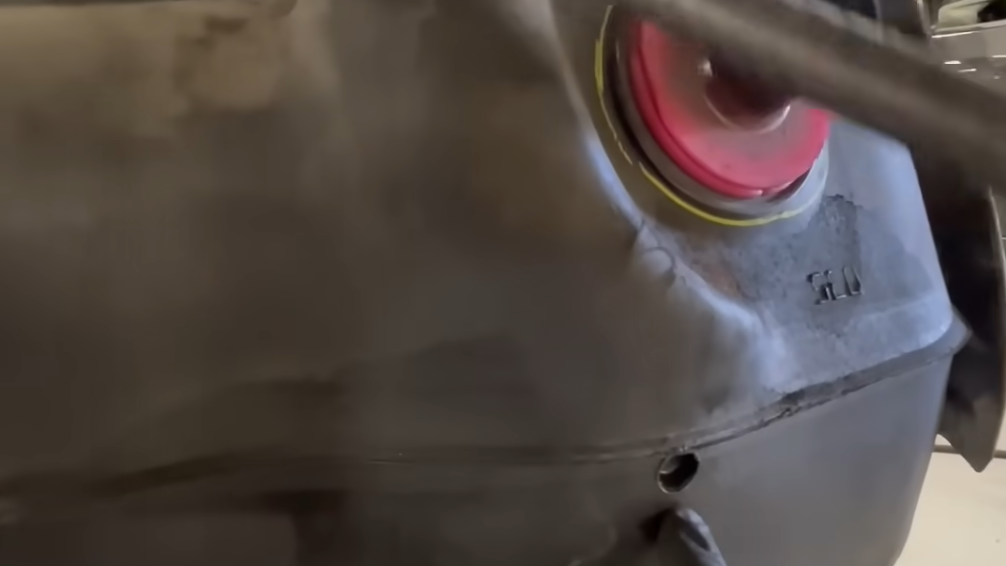
Unclesteve16/YouTube
This Has Happened Before
In the 1970s, chronic gas shortages triggered a surge in siphoning. People would drop plastic tubing into the tanks of parked vehicles to drain the fuel. Annoying, but at least it left the car intact. Locking gas caps became common, and awareness went up. The same pattern played out more recently. When inflation peaked at 9.1 percent in June 2022, following pandemic-era supply chain chaos and rounds of stimulus spending, gas prices hit record highs, and theft incidents climbed with them. Each time prices spike, desperation follows. The difference now is that siphoning has largely been engineered out. Newer vehicles have narrow, curved filler necks and internal baffles that make forcing a tube through nearly impossible. So thieves drilled down to find another way in, literally.
Do Not Expect Relief Anytime Soon
Anyone hoping this is a short-term problem may be waiting a while. Gasoline prices surged 21 percent in March 2026 alone, the largest single-month jump on record. And once gas prices rise, history shows they rarely fall at the same speed they climbed. Economists have drawn comparisons to the late 1970s, when multiple energy shocks prevented inflation from normalizing and forced increasingly aggressive responses. For drivers watching the pump and their parked cars, the uncertainty of how long this will continue is far from comforting.