Episode Details
Back to EpisodesToyota's $21K EV Sold 3,100 Units in Just One Hour
Description
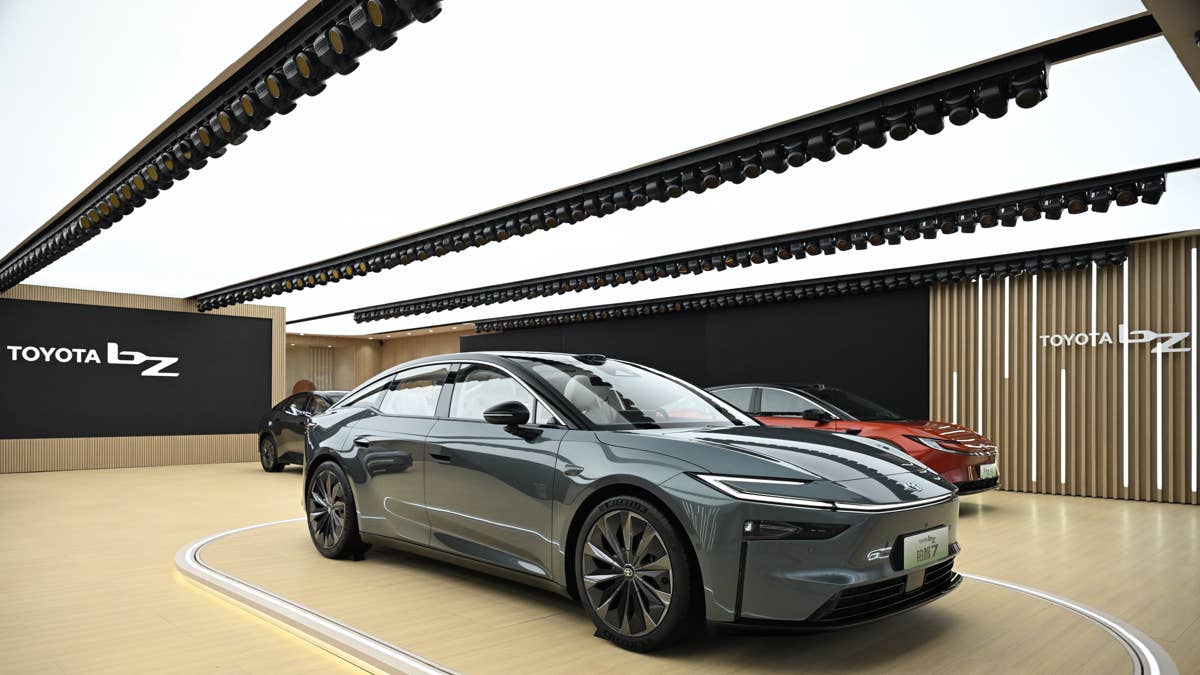
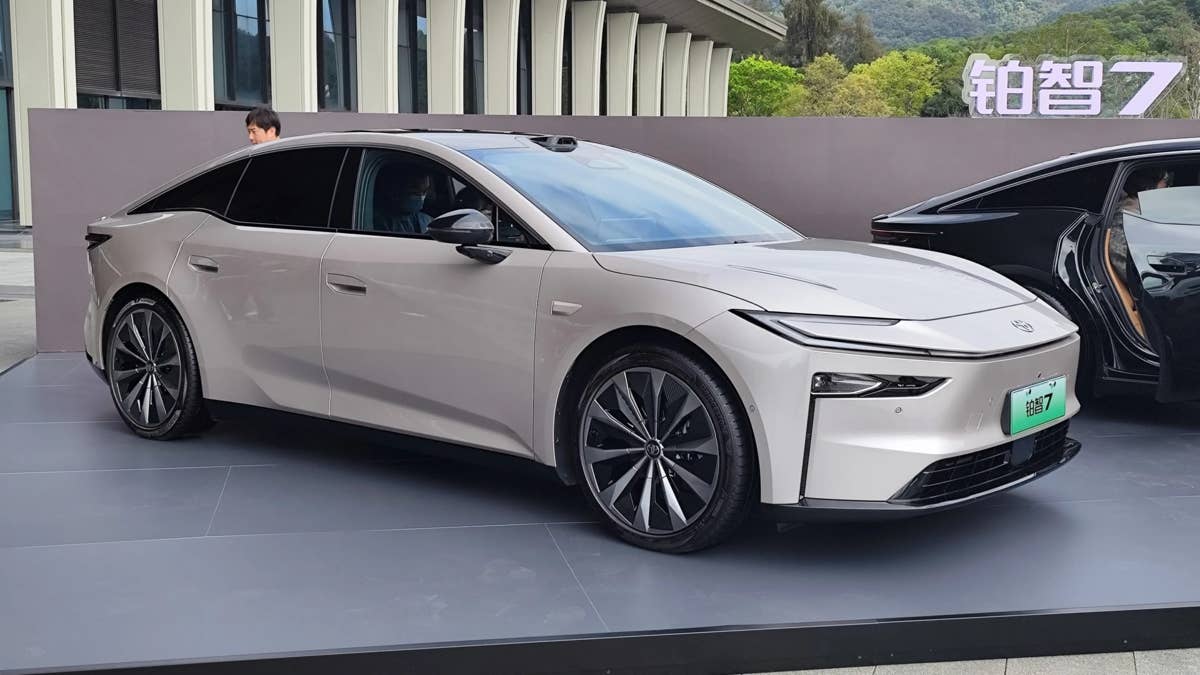
When Toyota opened orders for its new bZ7 electric sedan in China, the response was almost violent. Over 3,100 reservations came in within the first hour. That kind of demand happens when a company builds something extraordinary, prices it aggressively, and drops it into one of the most cutthroat EV markets on the planet. The bZ7 is Toyota's flagship electric vehicle in China, developed through its GAC-Toyota joint venture. It is, by any measure, a big deal, and it is almost certainly never coming to the United States. If it did, you can be sure that it would have gotten way more than 3,100 orders in an hour, thanks to the US market being starved for affordable EVs.
GAC Toyota
A Flagship That Punches Well Below Its Weight
On paper, the bZ7 makes a mockery of Western pricing logic. At 202 inches long with a 118.9-inch wheelbase, it is physically larger than a Tesla Model S. Yet it starts at just $21,500, topping at $29,000. The Model 3, a smaller car from Tesla, starts at roughly $34,500 in China. The bZ7 undercuts it by over $13,000.
GAC Toyota
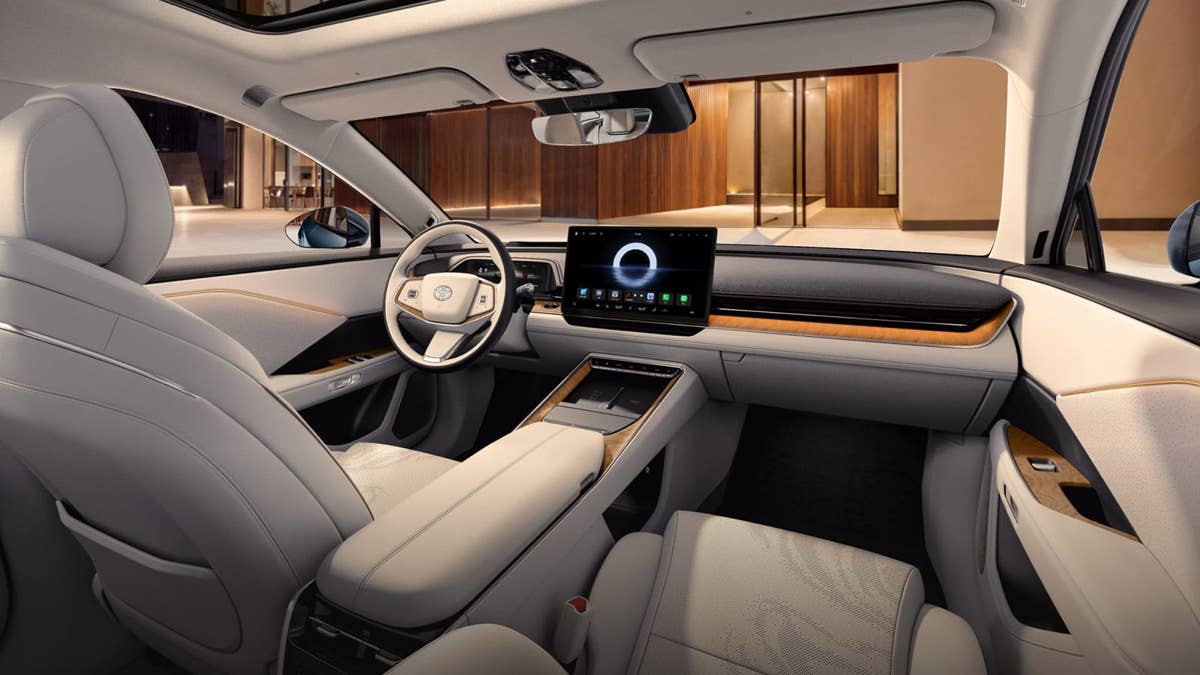
With 278 horsepower, performance may be called modest, but its range is not. The larger 88 kWh LFP battery pack offers up to 440 miles of claimed range, and fast charging can recover 186 miles in just 10 minutes. Inside, buyers get zero-gravity front seats with heating, ventilation and massage, a floating 15.6-inch center display running Huawei's HarmonyOS, Xiaomi smart-home integration, and an optional driver assistance suite built around roof-mounted lidar, five millimeter-wave radars, 11 HD cameras, and 10 ultrasonic sensors, making for 27 sensors in total. The Toyota bZ7 is by no means a bargain bin product; it’s a proper flagship with features to match, just at prices that don’t seem to line up.
How the bZ7 Is So Affordable in China
The Toyota bZ7 is so affordable primarily because it is built in China, for China. Local battery supply chains, domestic tech partnerships with Huawei and Xiaomi, and fierce competition from rivals like BYD all drive costs down in ways that simply do not exist in the American manufacturing context.