Episode Details
Back to EpisodesCar Screens Went Too Far—Now Brands Are Bringing Buttons Back
Description
A (Literal) Touchy Topic
I was never a fan of software buttons. While they do have their place in certain car functions, the basics need to be covered. The industry finally seems to have gotten the message, with major players starting to move back into the physical realm.
Yes, it's cheaper to simply have a screen that controls everything, and no, it's not going to be as ergonomic, and (at least some) brands are coming to their senses. In an Autocar interview with Luke Miles, founder of NewTerritory, certain design topics were brought up, which I'm inclined to agree with.
NewTerritory is a design studio that has projects in aviation interior design. The firm is not in the car industry thanks to clients like Ford and Mercedes. In this interview, Miles laid out his thoughts on passenger vehicle interior design and ergonomics.
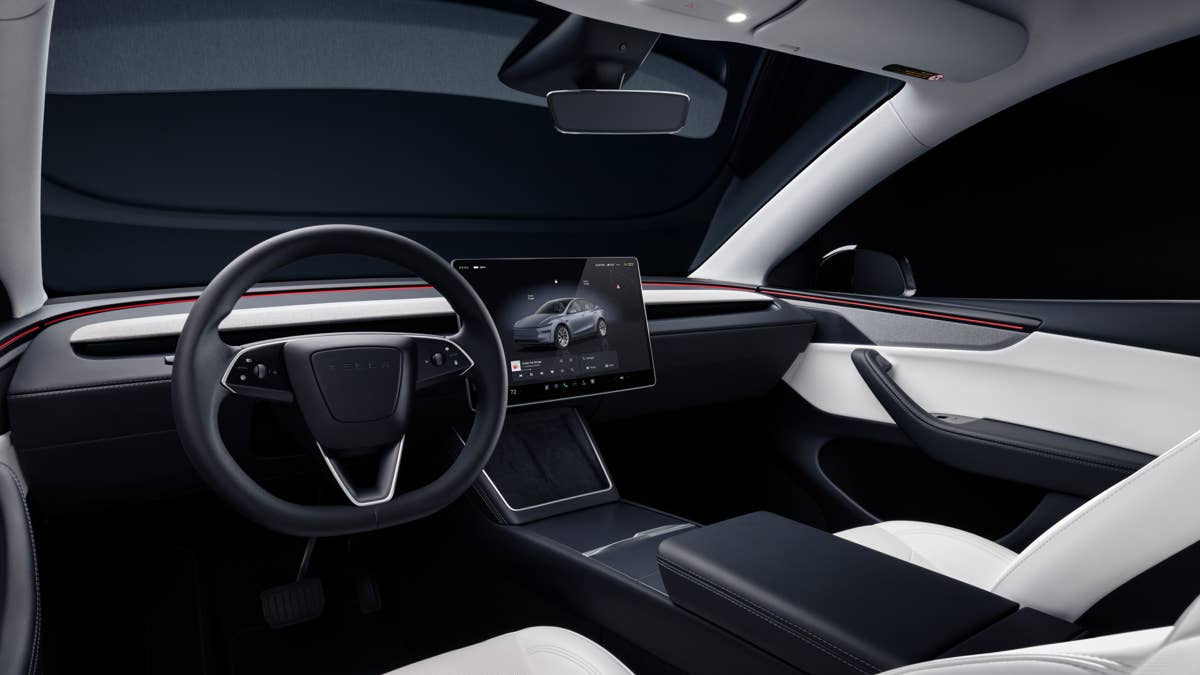
Tesla
Buttons = Branding
You may not realize it, but the way that you interact with a car is more personal than you think. If you think about it, every brand has its standards when it comes to interaction, and one of the ways that brands can stand out.
From the archives, Hyundai has pledged to keep physical controls in its cars, citing that it's not only convenient, but also safer to keep things properly keyed in. Well, that was before we caught them shoving a bigger screen in a new Ioniq 5 without physical switches.
Anyway, that brings us to Miles' observation. He stated that "screens have made their way into vehicles and they're upgradeable, but unless they're dealt with well, it can be quite a lazy intervention."
The term "lazy," while blunt, is the word that we could use to describe a lot of cars lately. In the last 10 years, we've seen infotainment screens balloon from about 7 inches to 10, 12, and even nearly 20 inches. The con? No more buttons, or at least only the ones you need, and nothing else. For everything else, you need to touch the glass to access the functions you want.
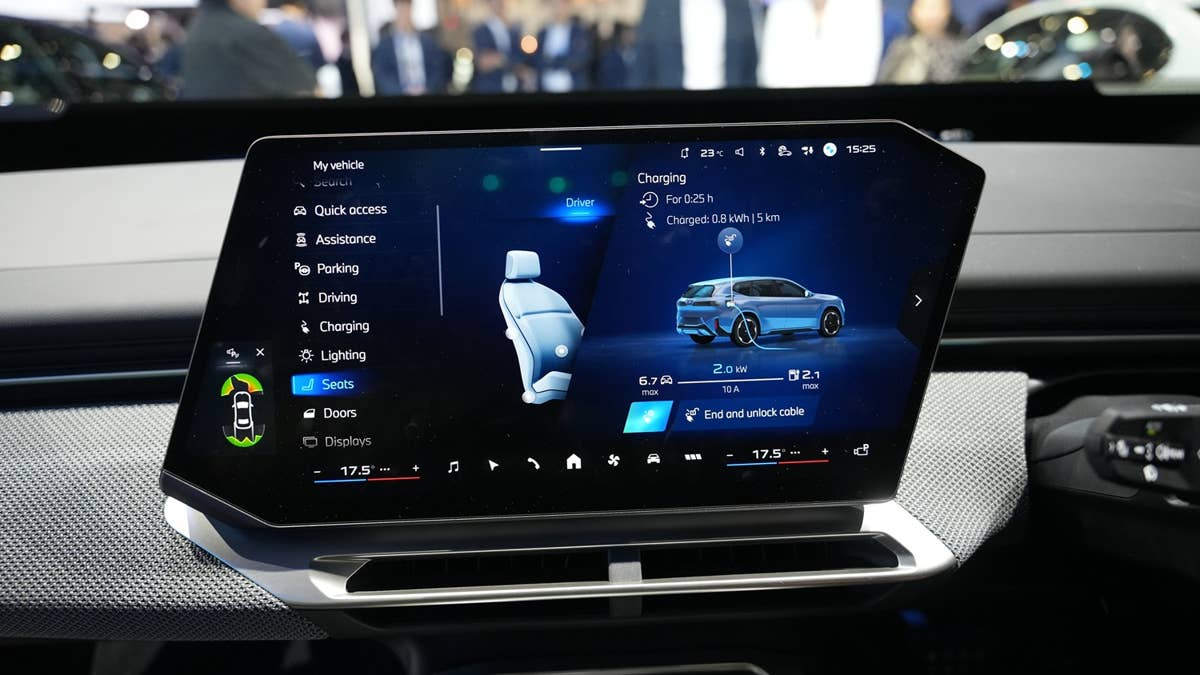
Earl Lee/Autoblog
The Case For Physical Controls
Miles continued to state that "physical controls create those 'human moments' that foster the connection between car and driver." He then continued to mention how materials can affect the perception of the driver or passenger. Think about how materials are used to convey a sense of quality, and how a single interaction can give you a sense of being in a more expensive car.
Needless to say, tactility plays a huge role in creating that sense of quality for consumers. Think back to the time that Volkswagen debuted its new crop of cars, only to
Listen Now
Love PodBriefly?
If you like Podbriefly.com, please consider donating to support the ongoing development.
Support Us