Episode Details
Back to Episodes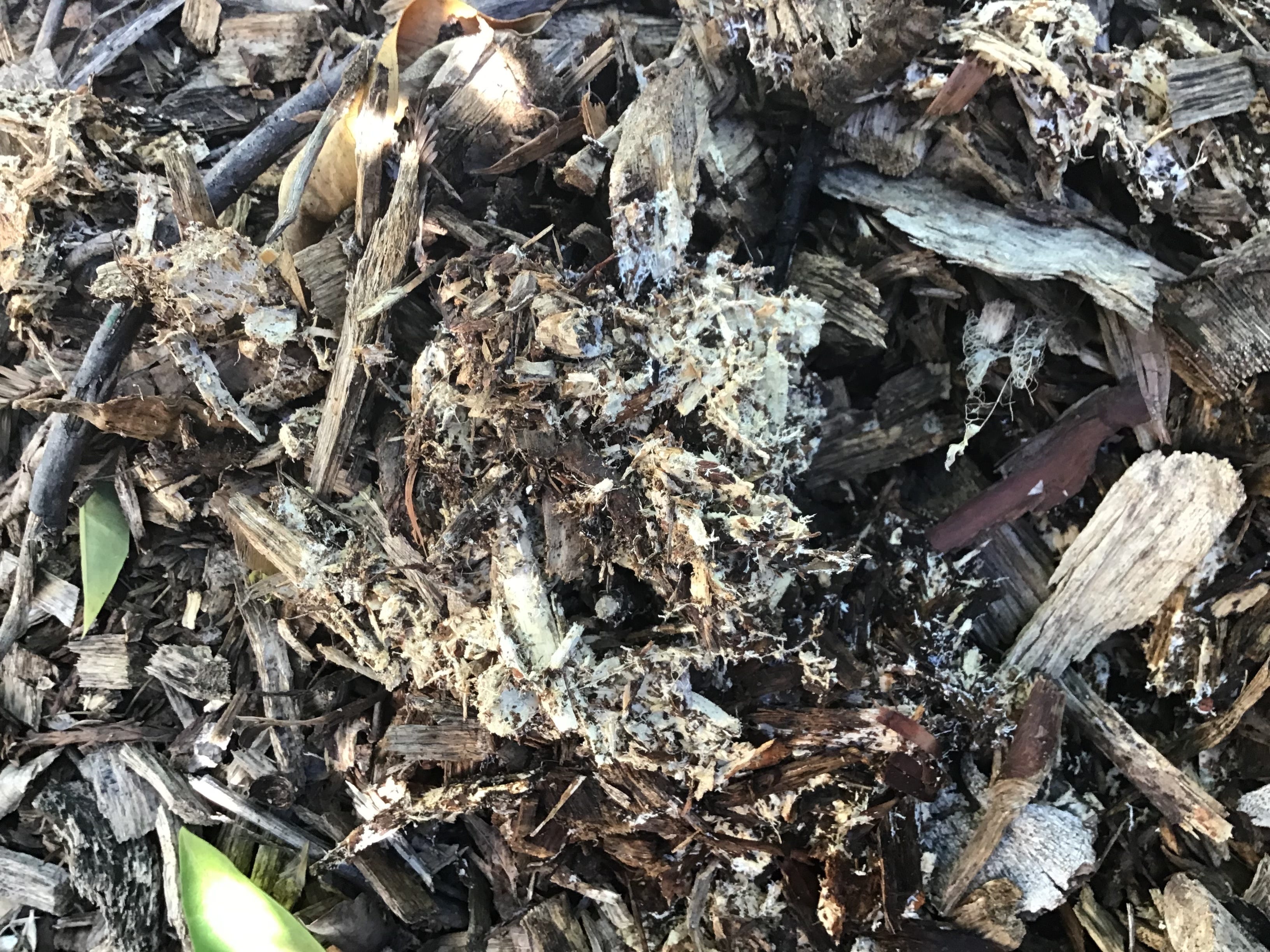
Mycorrhizal Activity and Your Plants' Health
Description
Soil mycorrhizae. What is it? If you’ve seen any of the “Avatar” movies, you would know that James Cameron probably has a good grasp of the subject…and you would have a basic understanding of what we are going to talk about today. Without mycorrhizal activity, there would be very little gardening.
To return to the “Avatar” comparison, you know how in those movies, if anyone fell ill or was near death or they needed to call in the National Guard, they could stick a tree root in their ear and they’d get healthy or victorious, and then the movie could have a happy ending? To quote the “Avatar” Wiki:
In Avatar, tree roots are critical, bioluminescent conduits for Eywa, Pandora's neural network, allowing Na'vi to connect to their deity and ancestors. Key structures include the Tree of Souls and Tree of Voices, featuring complex, willow-like root systems that facilitate tsaheylu (the bond) for communication and data transfer.
Can you see mycorrhizae activity? Yes! If you have a microscope:
(p.s. “Arbuscular”: Arbuscular mycorrhizal fungi (AMF) are soil fungi (subphylum Glomeromycotina) that form symbiotic relationships with roughly 80% of terrestrial plant species. They colonize plant roots, forming tree-like structures called "arbuscules" inside root cells that act as exchange sites. AMF improve plant uptake of phosphorus, nitrogen, and water, in exchange for plant carbon, increasing plant biomass and stress tolerance.)
Aren’t you glad you asked?
What about if you turn over the mulch that’s beneath your persimmon tree. Is that white stuff on the bottom of the mulch that’s in contact with the soil…is that mycorrhizae?
Short answer: No.
Long answer: That white stuff on the bottom of mulch is a decomposing fungi, saprophytic fungi. Saprophytes act as decomposers breaking down dead organic matter, while mycorrhizal fungi form symbiotic partnerships with living plant roots.
Falling asleep yet? Here’s Ben Faber, a soil, water, and subtropical crops advisor for the Ventura/Santa Barbara UC Cooperative Extension, with his more astute look at mycorrhizae. This is from his newsletter, “Topics in Subtropics”:
Mycorrhizae means fungus (myco) root (rhizae). These root-associated fungi predate the evolution of terrestrial plants, and the partnership with mycorrhizal fungi facilitated the establishment of plants on earth. Mycorrhizae form symbiotic associations with more than 70% of land plants across a broad range of terrestrial ecosystems. Plants supplies mycorrhizae with photo-assimilated carbon in exchange for nutrients and water. This is the definition of a perfect relationship whereby the two sides support each other and have a personal interest at maintaining their counterpart well-being for survival. Once mycorrhizae colonize the host plant, its mycelium can grow over large distances to neighboring plants connecting them together by a common network. This extension of the root network allows plants to acquire water and nutrients (especially nitrogen and phosphorus) far beyond its root zone, rendering plants more resilient to drought and nutrient deficiency. The ability of mycorrhizae to form this underground web also enables the connected plant to communicate with each other through chemical signals and exchange water and nutrients. For example, in forest ecosystems, saplings rely on nutrients and carbon supply from older trees sent through the mycorrhizal network. This underground mycorrhizal web has also great physical properties because they improve the soil structure by forming stable s