Episode Details
Back to Episodes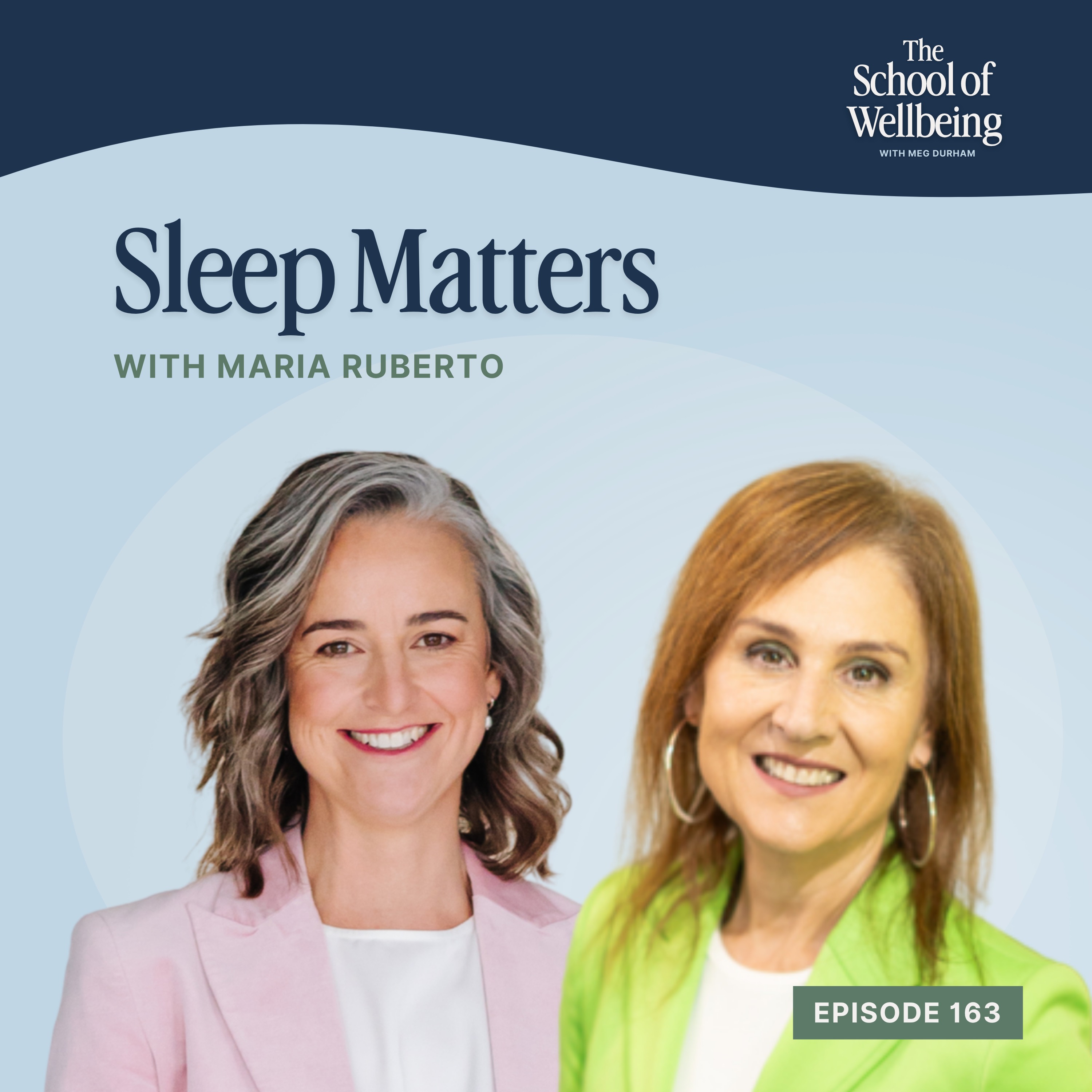
Maria Ruberto: Sleep Matters & Why Big-Hearted Educators Struggle To Switch Off | Episode 163
Description
“What we do during the day is carried into the night time.” Maria Ruberto
In this episode, Meg Durham speaks with Maria Ruberto about the neuroscience of sleep and why so many big-hearted educators and school leaders feel exhausted yet unable to switch off at night.
They explore what is happening in the brain when hyperarousal overrides sleep pressure, why the emotional labour of teaching lingers long after the bell rings, and how common myths about productivity quietly undermine rest.
Maria explains the brain’s nightly cleaning system, the role of REM sleep in emotional processing, and why sleep is not simply recovery time, but a biological process that builds cognitive clarity, emotional regulation and long-term brain health.
For teachers and school leaders navigating constant responsibility, this conversation reframes sleep as a professional advantage rather than a personal indulgence.
----
Chapter Markers:
- 02:00 Why educators’ nervous systems stay “on” all day
- 08:30 Hyperarousal and the tired-but-wired experience
- 15:40 Common myths about sleep and productivity
- 23:00 The brain’s nightly cleaning system explained
- 29:30 REM sleep, memory consolidation and emotional processing
- 35:10 Practical strategies to reduce rumination at night
- 44:00 Small daily habits that improve sleep quality
----
Reflection Prompts:
- My relationship with sleep is...
- When I crawl into bed, my mind tends to…
- One conversation or moment that is still sitting with me is…
- If I gave myself permission to wind down earlier, I would…
----
Episode 163 Shownotes - Click here
----
Maria Ruberto Website | LinkedIn | Instagram
----
Meg Durham - Website | LinkedIn | Instagram
Weekly Newsletter - Subscribe here
Speaker Booking - Complete the booking form to start the conversation.
----
Your Questions Answered:
Why do teachers feel tired but wired at night?
Teachers experience sustained cognitive load and emotional labour throughout the day. From scanning for behavioural risks to regulating student emotions and making rapid decisions, the nervous system remains activated for extended periods.
When bedtime arrives, sleep pressure may be high, meaning the body feels physically exhausted. However, the brain may still be in a state of hyperarousal. Hyperarousal occurs when the nervous system perceives unresolved tasks, emotional intensity or potential threats. In this state, stress hormones remain elevated, making it difficult to fall asleep even when fatigue is present. This explains the common “tired but wired” experience reported by educators.
What does sleep actually do for the brain?
Sleep is an active biological process essential for cognitive performance, emotional regulation and long-term brain health.
During non-REM sleep, the brain undergoes a cleansing process that clears metabolic waste and neural debris accumulated throughout the day. This process supports memory, attention and mental clarity. During REM sleep, the brain consolidates learning, reorganises memory networks and proce