Episode Details
Back to Episodes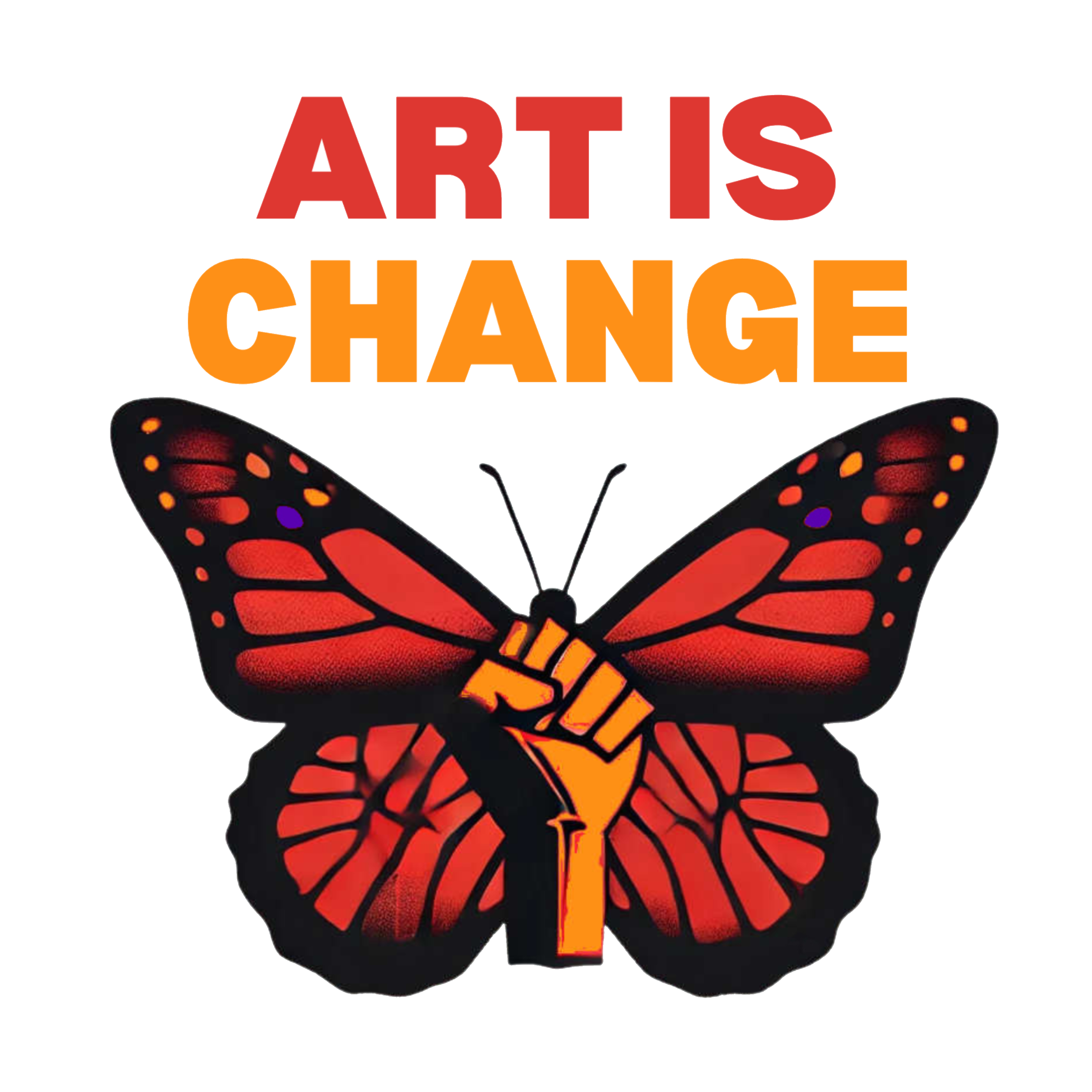
173: ART IS CHANGE – ART IS RESISTANCE
Description
ART IS CHANGE – Art is Resistance
What happens when freedom of expression is under pressure? When speech narrows, fear rises, and the future feels smaller than it should?
In this episode, we explore how activist artists and cultural organizers have historically stepped into these moments—not as decoration or entertainment, but as essential agents of democratic life. Through vivid stories from different times and places, the episode reveals how cultural practice reshapes what people believe is possible.
In this episode, you’ll hear:
- How public murals in post-revolutionary Mexico helped people see themselves as part of history
- How a single performance of “Strange Fruit” forced audiences to confront racial violence they had learned to ignore
- How participatory theater in Brazil turned audiences into active agents of change
- How a one-minute protest by Pussy Riot disrupted authoritarian control and spread globally
These stories point to a deeper truth: resistance is not only political—it is cultural, emotional, and imaginative. The episode offers a powerful reminder that movements endure when people can see themselves, each other, and a different future more clearly.
Listen, reflect, and consider: what are the cultural practices—large or small—that help keep imagination, connection, and democracy alive in your own community?
Notable Mentions
People
- Diego Rivera — Mexican muralist whose large-scale public works helped define post-revolutionary national identity by centering workers, Indigenous history, and social struggle. (https://www.britannica.com/biography/Diego-Rivera)
- José Clemente Orozco — Influential muralist known for his stark, often critical depictions of revolution, human suffering, and political power. (https://www.britannica.com/biography/Jose-Clemente-Orozco)
- David Alfaro Siqueiros — Politically engaged artist who advanced muralism as a tool for mass communication and revolutionary consciousness. (https://www.britannica.com/biography/David-Alfaro-Siqueiros)
- Billie Holiday — Legendary vocalist whose performance of “Strange Fruit” transformed a protest poem into a defining moment of cultural resistance. (https://www.biography.com/musicians/billie-holiday)
- Abel Meeropol — Teacher and activist who wrote “Strange Fruit,” one of the most powerful anti-lynching works in American history. (https://www.jewishvirtuallibrary.org/abel-meeropol)
- Augusto Boal — Creator of Theatre of the Oppressed, a participatory approach that turns audiences into active agents in rehearsing social change. (https://www.britannica.com/biography/Augusto-Boal)
- Paulo Freire — Revolutionary educator whose ideas on critical pedagogy and liberation deeply influenced participatory arts and social change movements. (https://www.britannica.com/biography/Paulo-Freire)
Organizations / Movements
- Mexican Muralism — A government-supported movement that brought art into public spaces to tell a people-centered story of Mexican history and identity. (https://www.theartstory.org/movement/mexican-muralism/)
- Theatre of the Oppressed — A global practice using interactive performance to help people