Episode Details
Back to Episodes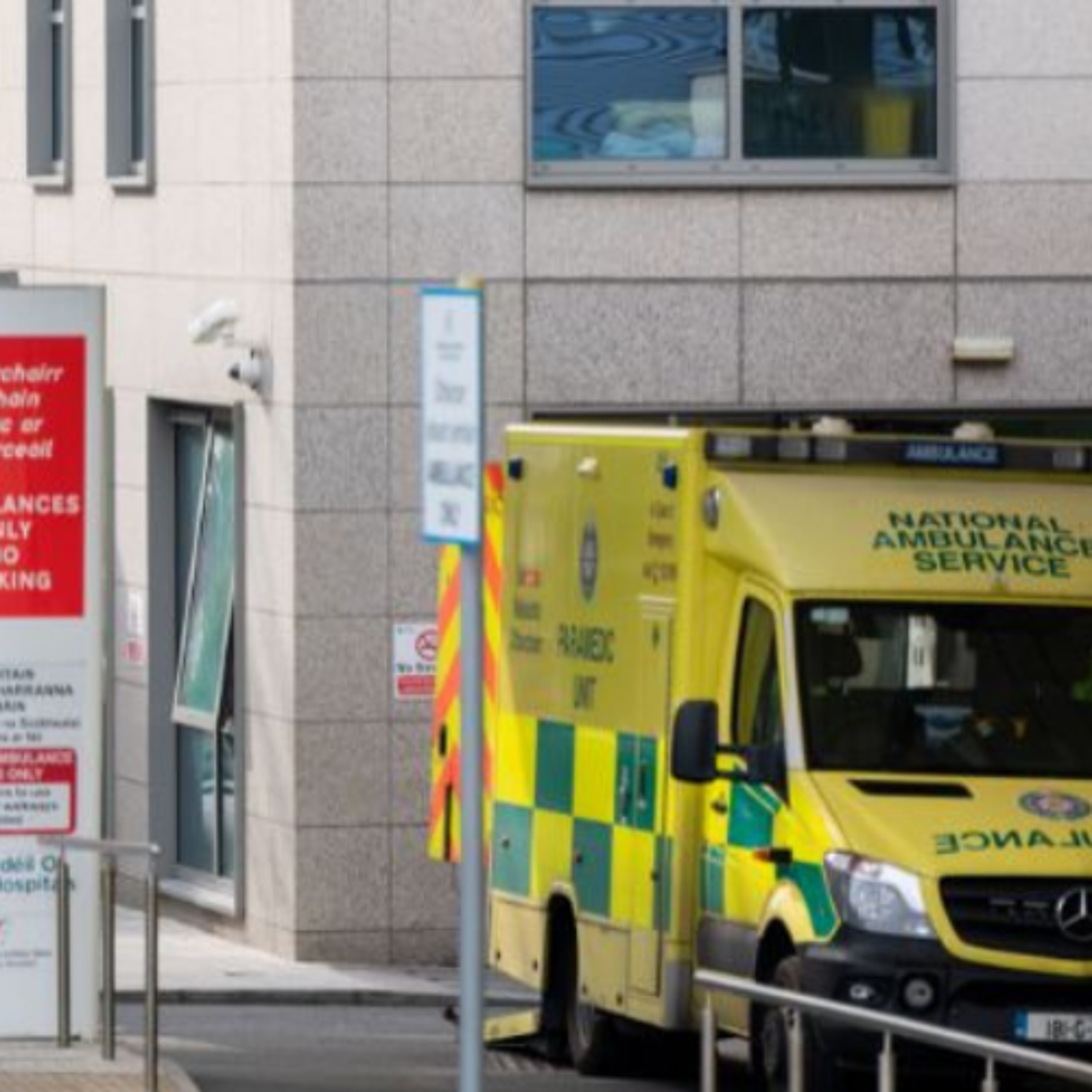
Clare Mother Takes Issue Over Ambulance’s Lengthy Response To Daughter’s Serious Medical Situation
Published 1 week ago
Description
On Thursday's Morning Focus we heard from a Clare mother about a deeply worrying experience that has raised fresh concerns about emergency response times in the region.
Molly Kelly’s seven-year-old daughter, who is autistic and non-verbal, became gravely ill over the weekend—but the family then faced a two-hour wait for an ambulance to take her from Shannondoc to University Hospital Limerick.
As questions grow around ambulance availability, rural healthcare access, and ongoing pressures in the system, Alan Morrissey spoke with Molly, to hear her story.
Clare Fm reached out to the HSE for a statement on this issue:
"The HSE National Ambulance Service (NAS) regrets that any service user should have a negative experience. However, the HSE cannot discuss individual case details when doing so might reveal information relating to identifiable individuals, thereby breaching our ethical duty of confidentiality.
The NAS works to deliver the highest standard of care for people using NAS services. All 999/112 calls received for emergency medical assistance are prioritised using an internationally recognised system that triages calls based on clinical priority, which range from life-threatening- cardiac or respiratory arrest to minor illness or injury. This means that during particularly busy periods, lower-acuity calls may wait longer for an ambulance.
Ambulance bases have additional vehicles on site. These are in reserve for breakdowns and servicing. It also means crews coming on duty have a vehicle immediately available if the earlier crew and ambulance are attending another incident. This ensures continuity of service.
The NAS is undergoing a significant transformation programme to enhance service delivery, optimise resources, and expand its role in providing alternative and community-based care. Since 2022, additional investment has seen the NAS base budget increase by 41% (an additional €83 million) to €285 million in 2025. Over the same period, staffing levels have increased by 28%, with an additional 588 whole-time equivalent staff, bringing total NAS staffing to 2,655 WTE. Capital investment of €126 million has also been made in fleet replacement and expansion to support these developments.
Plans for 2026 include significant investment in the NAS: an additional 263 whole-time equivalents and €20 million in new funding, including additional resources in each of Kilrush, Ennis, and Ennistymon. This investment plan will deliver 21 additional crewed ambulances nationally, operating at peak demand, as well as four more Intermediate Care Vehicles, and continued development of the Clinical Hub and alternative care pathways. "
Image © Alan Place