Episode Details
Back to Episodes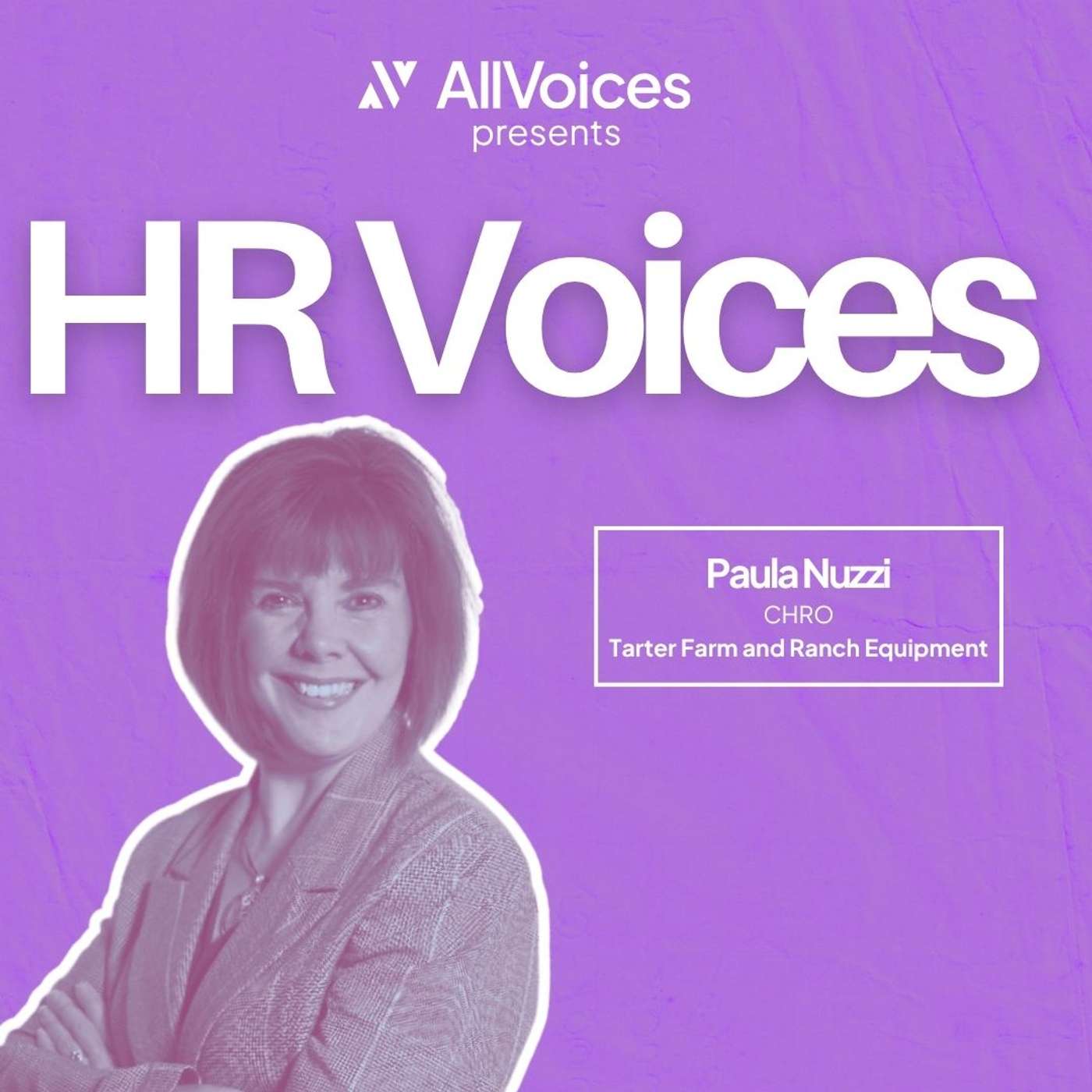
The Hiring Complaint Every HR Leader Should Prepare For
Description
Can a neurodiversity hiring program open you up to “reverse discrimination” claims—and how do you respond if it does? In this HR Voices episode, Rebecca Taylor is joined by Paula Nuzzi, CHRO at Tartar Gate, LLC, to unpack a fictional but highly realistic case: a tech company modifies interviews, mentorship, and accommodations to better hire candidates with autism and ADHD—then faces a complaint from a rejected, non-neurodivergent applicant. Paula breaks down how to design inclusive programs without creating legal risk, what ADA compliance really means in practice, and why communication and candidate experience are make-or-break. She shares an on-the-ground success story of an autistic hire who unlocked AI and process improvements, then outlines a step-by-step investigation playbook: who to interview first, which evidence to collect (resumes, interview notes, job description, ATS and assessment outputs), and how to strip bias from your questions. You’ll also hear how to configure hiring tools (ATS/AI, Predictive Index) to avoid unintended exclusion, and how to iterate your process when perception and optics clash with intent. Expect practical guidance on manager training, bias interrupters, and building strengths-based roles that welcome today’s workforce—without scrapping programs at the first complaint.
Timestamps
[00:01] – Show intro and how HR Voices tackles realistic scenarios
[01:12] – The case: neurodiversity hiring program and a reverse discrimination complaint
[02:11] – Communicating the “why” and designing strengths-based, inclusive roles
[06:19] – Real example: autistic hire elevates CX and AI capabilities
[10:19] – Risk and compliance: ADA, state nuance, and avoiding label-driven hiring
[13:22] – Tools and bias: configuring ATS/AI, using Predictive Index, training managers
[14:55] – Investigation blueprint: recruiter first, hiring manager next, evidence to gather
[21:01] – Process audits, candidate experience, and owning gaps without scrapping the program
Takeaways
- Design for inclusion, not preference: keep equal access central and avoid any “neurodivergent-only” signals.
- Communicate the why: normalize accommodations and align interviews/roles to cognitive strengths.
- Train hiring teams on structured interviews, bias interrupters, accommodation conversations, and legal do’s/don’ts.
- Audit your tech stack: validate ATS/AI filters, keywords, and assessment configurations to prevent unintended screening.
- Investigate with discipline: start with the recruiter, then hiring manager; collect resumes, notes, job description, and tool outputs; ask neutral, fact-finding questions.
- Iterate and own gaps: fix communications or steps that created negative perceptions; document compliance by state; protect candidate experience while keeping the program intact.