Episode Details
Back to Episodes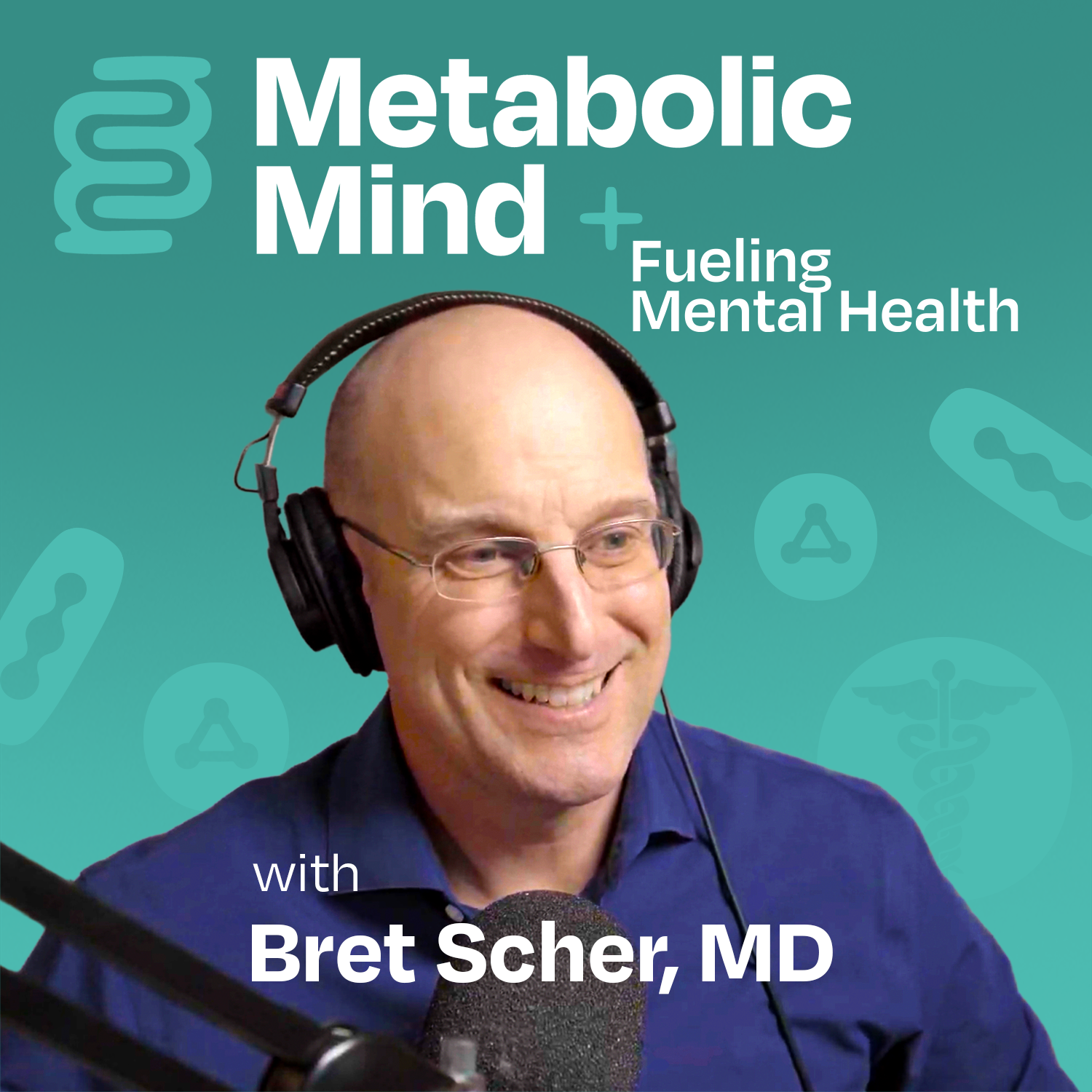
DGA vs AHA: Why Nutrition Guidelines Disagree
Description
How do the latest Dietary Guidelines for Americans (DGA) and the American Heart Association (AHA) recommendations compare, and why do they differ?
In this video, Dr. Bret Scher breaks down where these two major nutrition guidelines align, where they diverge, and what that means for your health. At the center of the conversation is a key question: should health be defined by a single lab marker, or by a broader view of metabolic function?
In this video, you’ll learn:
- Why LDL cholesterol is only one piece of cardiovascular risk
- Why the two guidelines differ on saturated fat, red meat, and full-fat dairy
- The role of markers like fasting insulin, triglycerides, HDL, and body composition
- How different dietary patterns influence metabolic health in different ways
- Why recommendations around saturated fat and full-fat dairy remain controversial
- How historical beliefs and evolving evidence shape nutrition guidelines
This discussion also highlights a critical point: nutrition science is complex, and population-wide recommendations don’t always translate clearly to individual health.
While both organizations emphasize whole foods and reducing processed sugars and refined grains, the DGA reflects a growing recognition that there is more than one way to eat well, while the AHA continues to take a more prescriptive stance on saturated fat and animal-based foods.
💡 Learn more about the role of saturated fat and animal products in a well-formulated ketogenic diet on our blog: Understanding the Well-Formulated Ketogenic Diet
🔎 Have questions about how to apply metabolic therapies effectively? Submit them at metabolicmind.org/questions to be featured in a future Metabolic Mailbag episode.
#MetabolicMind #KetogenicTherapy #DietaryGuidelines
Expert Featured:
Dr. Bret Scher
- Baszucki Group Medical Director
- https://x.com/bschermd
Free CME Clinician Trainings:
Are you a clinician who would like to learn more about the science behind these therapies and how to implement them in practice? Earn CME with our growing library of courses from some of the top experts in the field including Dr. Chris Palmer, Dr. Georgia Ede, Dr. Matthew Bernstein, Dr. Mariela Glandt, Dr. Deanna Kelly, Dr. Julie Milder, Dr. Zoltan Sarnyai, and Dr. Bret Scher with more coming soon.
Our courses have been made FREE by grants from Baszucki Group, so we can spread these powerful therapies as widely as possible. Earn CME/CNE credits: https://www.metabolicmind.org/for-clinicians/trainings-courses/?utm_medium=organic-social&utm_source=youtube&utm_campaign=cme-yt
Follow our channel for more information and education from Bret Scher, MD, FACC, including interviews with leading experts in Metabolic Psychiatry.
Learn more about metabolic psychiatry and find helpful resources at https://metabolicmind.org/
About us:
Metabolic Mind is a non-profit initiative of Baszucki Group working to transform the study and treatment of mental disorders by exploring the connection between metabolism and brain health. We leverage the science of metabolic psychiatry and personal stories to offer education, community,