Episode Details
Back to Episodes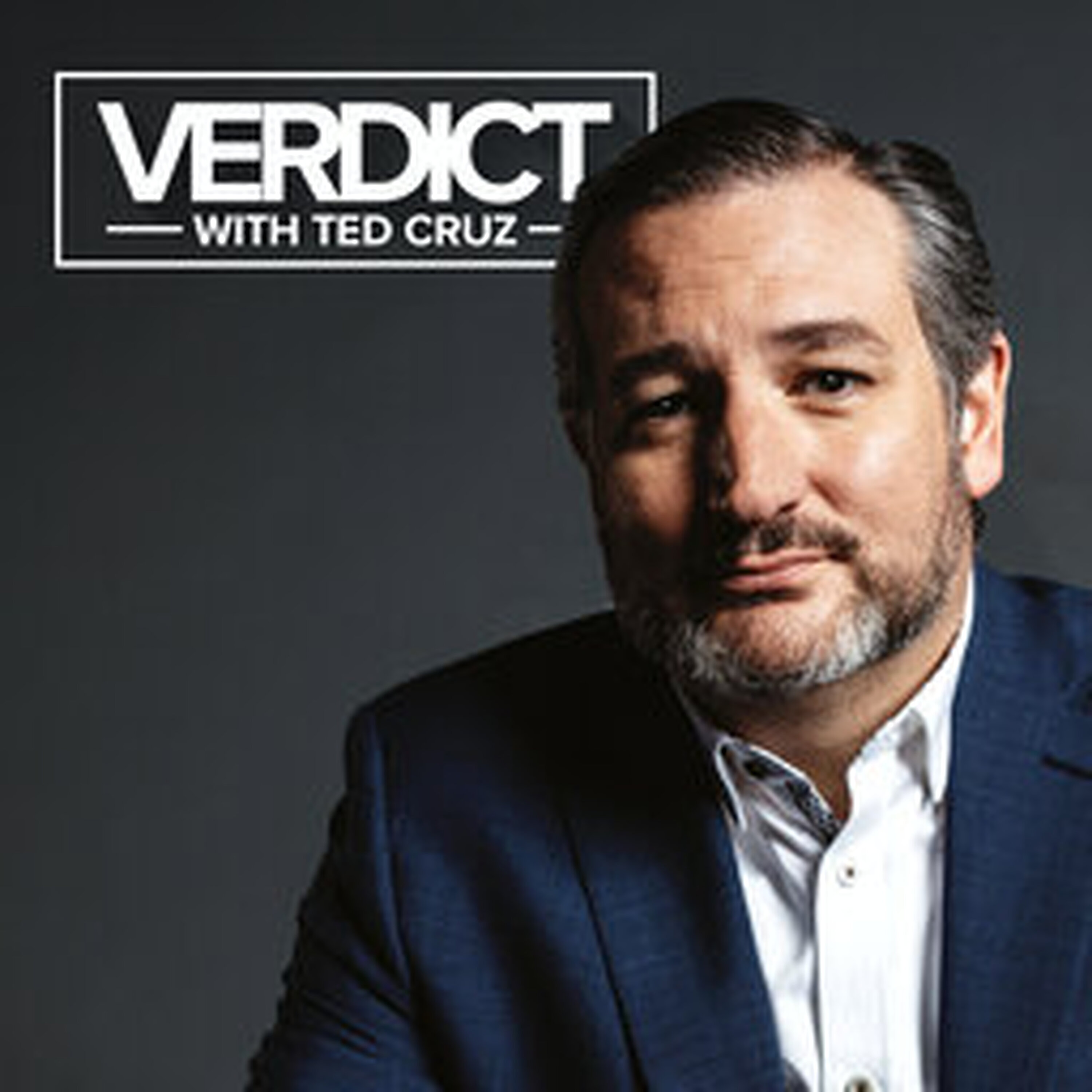
VERDICT WITH TED CRUZ: No Deal: Trump Moves to Blockade the Strait of Hormuz as Iran Defies Nuclear Demands plus Swalwell Bombshell
Description
No Deal With Iran: Trump Orders Strait of Hormuz Blockade as Nuclear Talks Collapse and the Eric Swalwell Scandal Explodes
The latest episode of Verdict with Ted Cruz opens with a blunt reality: diplomacy with Iran has failed, and the consequences are immediate, global, and severe. After nearly twenty hours of negotiations in Islamabad, Iranian officials refused to relinquish their nuclear ambitions, crossing a red line President Donald J. Trump has drawn repeatedly and unequivocally. In response, the President ordered the United States Navy to begin a blockade of the Strait of Hormuz, one of the most critical energy chokepoints in the world.
At the same time, a second political earthquake unfolded at home. Congressman Eric Swalwell, once a leading Democratic contender for governor of California, abruptly suspended his campaign amid multiple allegations of sexual misconduct and a rapidly expanding criminal investigation. The convergence of these two stories—one involving global security and nuclear deterrence, the other exposing political hypocrisy and media double standards—defined a consequential and wide‑ranging episode of Verdict.
Twenty Hours of Talks, One Non‑Negotiable Issue
According to Senator Ted Cruz, the administration entered negotiations with four clear red lines:
- No uranium enrichment
- Full surrender of already‑enriched uranium
- Reopening the Strait of Hormuz
- Ending Iran’s global sponsorship of terrorism
While Iranian negotiators were reportedly willing to agree to peripheral issues, they categorically refused to abandon their nuclear program. As the President later summarized publicly, none of the other concessions mattered if Iran insisted on retaining a path to nuclear weapons.
The talks, mediated by Pakistani leadership and led by J.D. Vance, Jared Kushner, and Steve Witkoff, ultimately collapsed under that single point of refusal. The President’s response was swift and unmistakable.
The Strait of Hormuz Blockade: A Strategic Economic Hammer
President Trump ordered the U.S. Navy to interdict all ships entering or leaving the Strait of Hormuz, targeting Iran’s primary economic lifeline: oil exports. As Senator Cruz explains, Iran’s economy is overwhelmingly dependent on maritime oil shipments, most of which flow through the Strait and are sold—often illicitly—to China.
This action directly targets Iran’s so‑called “ghost fleet,” an armada of unmarked or falsely flagged tankers that expanded dramatically during the Biden administration when sanctions enforcement collapsed. Under President Trump’s first term, Iranian oil exports fell from roughly one million barrels per day to approximately three hundred thousand, starving the regime of revenue. Under President Biden, non‑enforcement allowed exports to surge to nearly two million barrels per day, injecting an estimated $80 billion into the Iranian regime—money Cruz argues funded Hamas and Hezbollah.
By blockading the Strait, the Trump administration is not merely enforcing sanctions—it is shutting down Iran’s ability to function as a petro‑state.
Global Consequences: Pressure on Iran, China, and Europe
The blockade’s ripple effects extend far beyond Tehran. China, the primary purchaser of Iranian oil, now faces supply disruption and strategic pressure. Europe, which Cruz sharply criticizes for refusing to stand with the United States during the conflict, is also exposed to energy instability.