Episode Details
Back to Episodes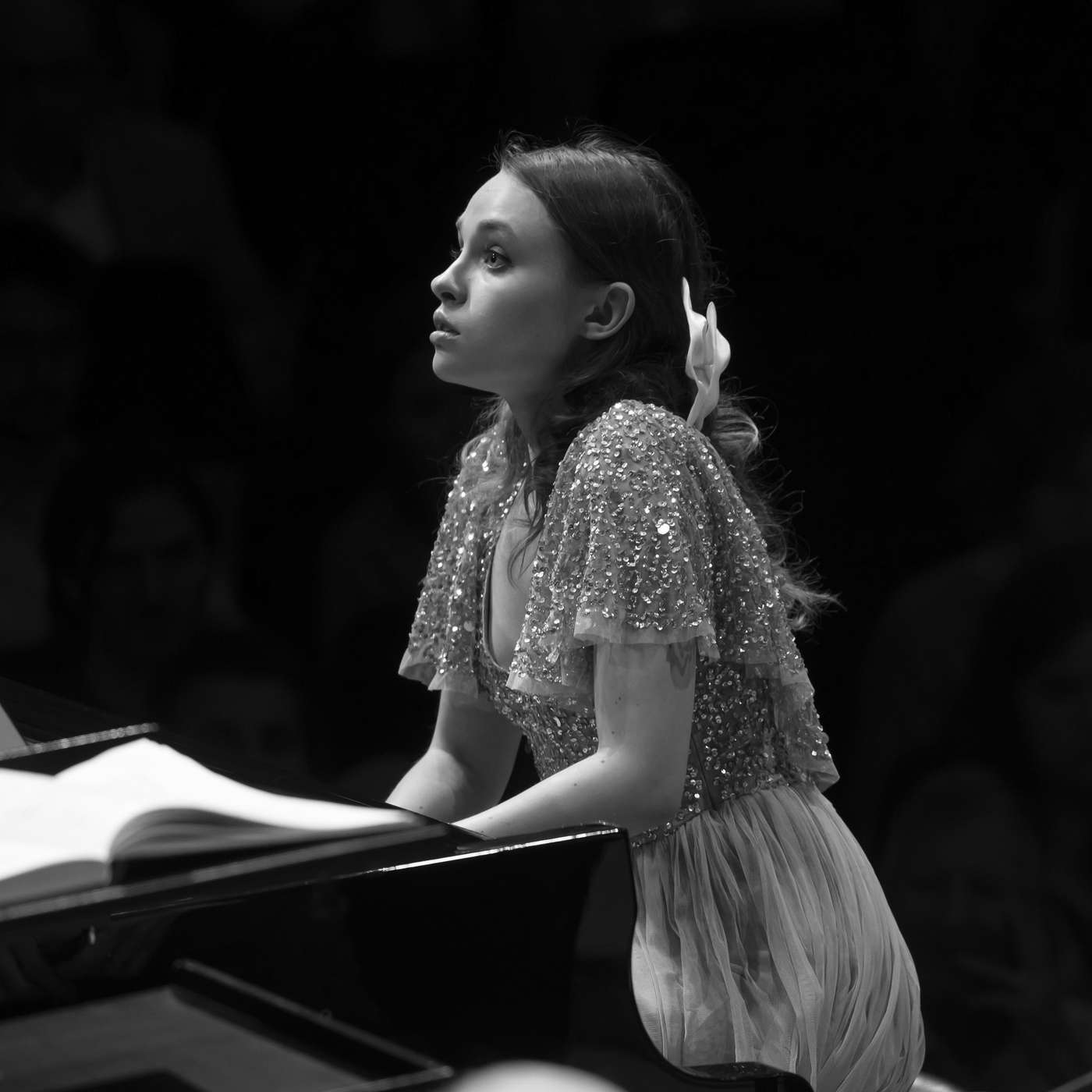
Risk, Transformation & Ecstatic Freedom: A Conversation with Daria Vasileva
Description
In this episode of The Sum of All Wisdom, Scott Catey speaks with internationally performing concert pianist Daria Vasileva for a wide-ranging conversation on musical transformation, artistic freedom, and the power of storytelling in performance.
From her early training in Russia’s rigorous conservatory system to her artistic awakening in Switzerland, Daria reflects on how different cultural approaches to music shaped her voice as an artist. At the center of the discussion is the music of Alexander Scriabin—its mysticism, emotional intensity, and transformative potential for both performer and audience.
They explore what it means to play from memory, why risk is essential to live performance, how to build a concert program as a narrative journey, and how classical musicians can reach new audiences in a digital age.
Daria also shares insights from her Feminine Power Project, her work championing overlooked composers, and her upcoming debut album Elements.
Some highlights from the conversation:
- Music as Transformation
A formative moment hearing Tchaikovsky shifted Daria from passive talent to intentional artistry - Freedom vs. Discipline
How do technical precision, individuality, expression, and exploration meet in classical training and performance? - Scriabin’s Philosophy of Sound
Music as “ecstatic freedom,” the will of power, and spiritual blossoming - Memory vs. Safety in Performance
Playing from memory creates risk and deepens immersion and intensity - Concert Programming as Storytelling
Programs should follow emotional logic, not chronology or genre sequence; how can the program help to guide an audience through the performer’s vision? - Reaching New Audiences
Social media as a powerful tool to bring younger listeners into classical music - Expanding the Canon
The Feminine Power Project highlights overlooked women composers and forgotten voices - Art in Uncertain Times
The role of the artist as a source of light, hope, joy
Throughout the conversation, Daria situates her artistry within a lineage of composers and performers who push the boundaries of musical language and expression. Central, of course, is Alexander Scriabin, whose evolution from late-Romantic lyricism into mysticism and near-atonality becomes a kind of philosophical anchor for her work. We also hear echoes of Pyotr Ilyich Tchaikovsky, whose symphonic power first awakened her artistic seriousness as a teenager, and Robert Schumann, whose deeply subjective musical voice raises questions about individuality and interpretation. Daria also references lesser-known but compelling figures like Varvara Gaigerova, whose rediscovery reflects her commitment to expanding the canon, as well as pianistic traditions shaped by figures like Anton Rubinstein. Even iconic interpreters such as Vladimir Ashkenazy appear in the background, reminding us that performance itself is a living, evolving conversation across generations, and how new interpretations of familiar music can reawaken a fire within us.
Several unexpected moments stand out in the conversation, from Daria’s candid relationship with inspiration to finding transformation in performance. Equally striking is her view that technical imperfection may sometimes be worth the trade if it allows for deeper expressive truth. Perhaps most surprising of all is her framing of classical performance as an act of risk: by choosing to play from memory, she deliberately removes safety nets in order to heighten presence, vulnerability, and connection with the audience.
Names, Locations, and Organizations, Mentioned in this Episode
Composers, Pianists, Performers
· Alexander Scria