Episode Details
Back to Episodes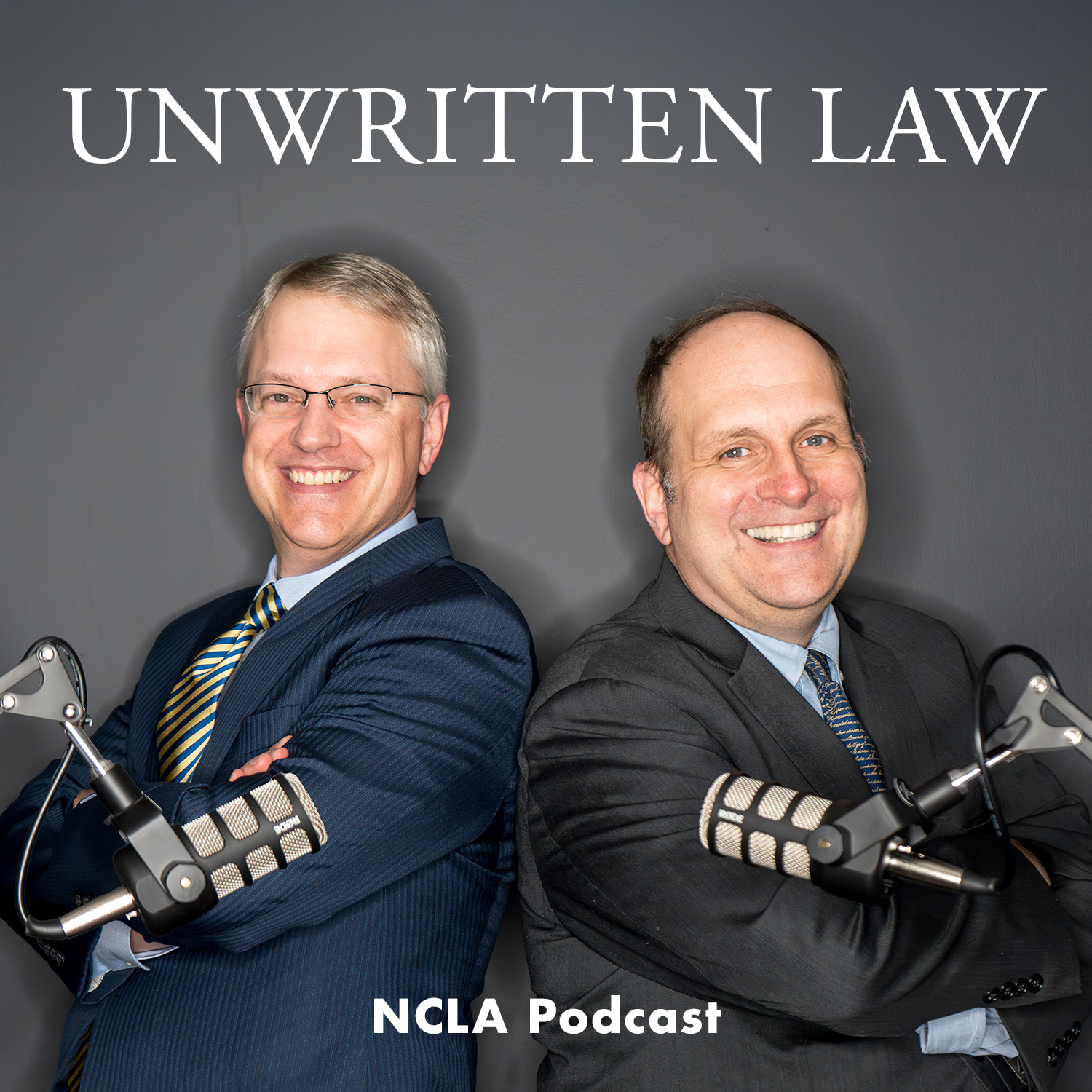
Who Gets to Decide What’s a Crime?
Description
In this episode of Unwritten Law, NCLA Senior Litigation Counsel John Vecchione is joined by NCLA Litigation Counsel Casey Norman to discuss Pheasant v. United States, a case asking the U.S. Supreme Court to consider whether Congress can delegate the power to create criminal laws to federal agencies.
The case began when a man riding a dirt bike on Bureau of Land Management land was charged with a criminal offense—not because Congress passed a law making his conduct a crime, but because a federal agency created the regulation and attached criminal penalties to it. NCLA filed an amicus brief supporting Supreme Court review, arguing that allowing agencies to define criminal conduct raises serious constitutional concerns.
The discussion explains the nondelegation doctrine, the “intelligible principle” test, and why criminal law raises special due process concerns when agencies—not Congress—decide what conduct can lead to fines or prison time. The episode also explores how modern courts interpret delegation differently than earlier courts and why this case could have major implications for the separation of powers.