Episode Details
Back to Episodes“Why do I believe preserving structure is enough?” by Aurelia
Description
There's a lot even our best neuroscientists don't know about the human brain. How can we have any reasonable hope for preservation given those unknowns? What if there are crucial memory mechanisms that are so poorly understood, we don't even know to check whether our methods preserve them? As it turns out, there's some interesting empirical evidence about the general shape, and limits, of those unknowns.
In Ted Chiang's short story Exhalation, a race of aliens have brains which run on compressed air, performing computations and storing information in elaborate arrangements of hinged gold-foil leaves. The leaves are held in position by a constant stream of air flowing through the brain's tubules, encoding alien thoughts and memories. That ephemeral suspension pattern is the whole self—any alien whose supply of compressed air runs out is reduced to a catatonic state, all of their memories erased as the gold-foil leaves hang limply down. Even if air pressure is restored, the original information is lost for good. The person can never be recovered.
If this was how brains worked in our world, I'd be working on a very different kind of preservation, like longevity researchers or some kind of relativistic time-dilation bubble. [...]
---
Outline:
(01:40) The lady in the lake
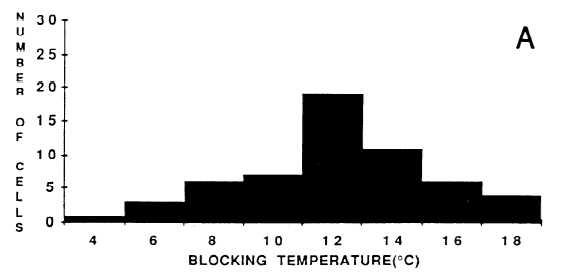
(03:33) Using cold to save lives: DHCA
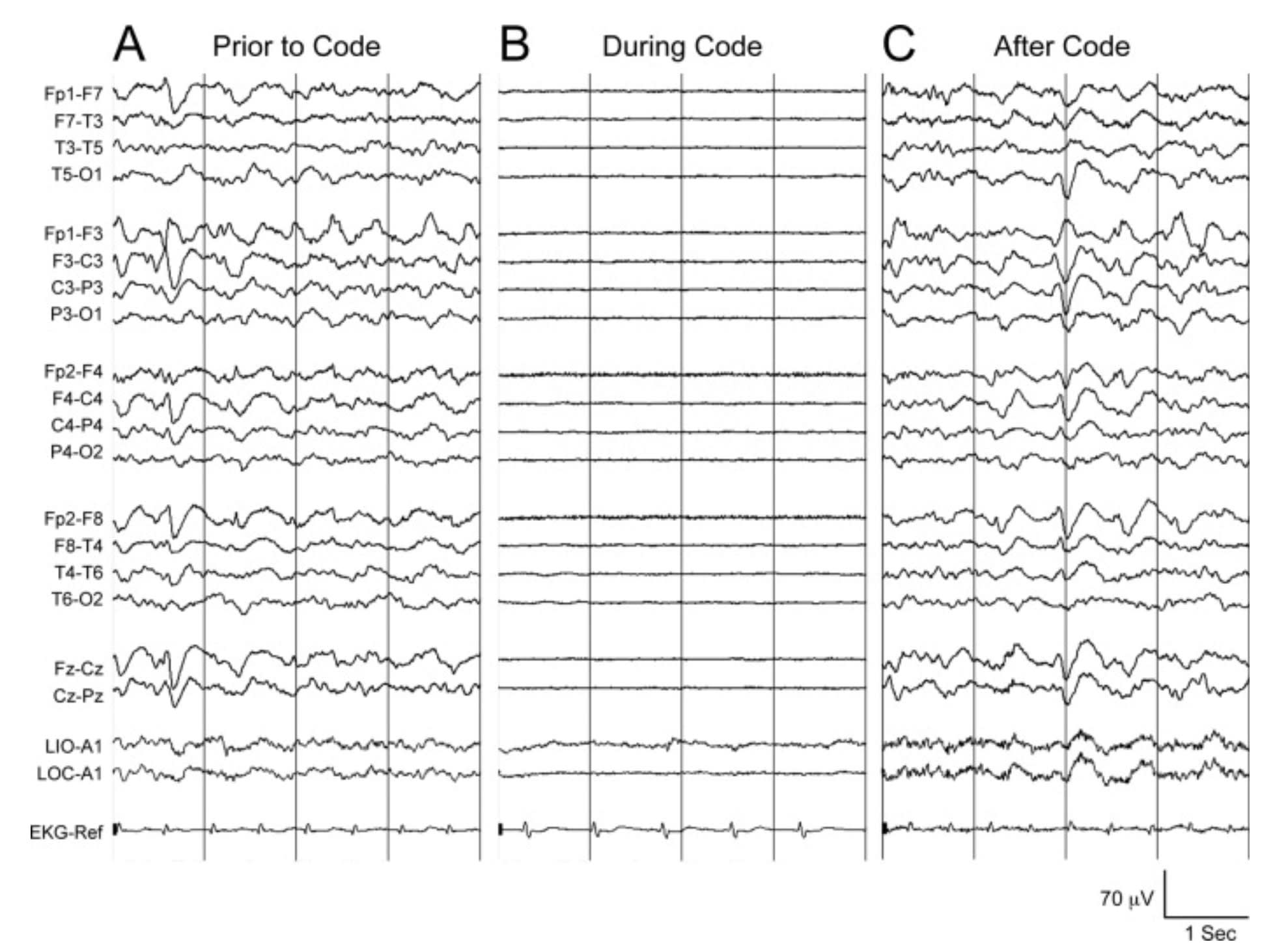
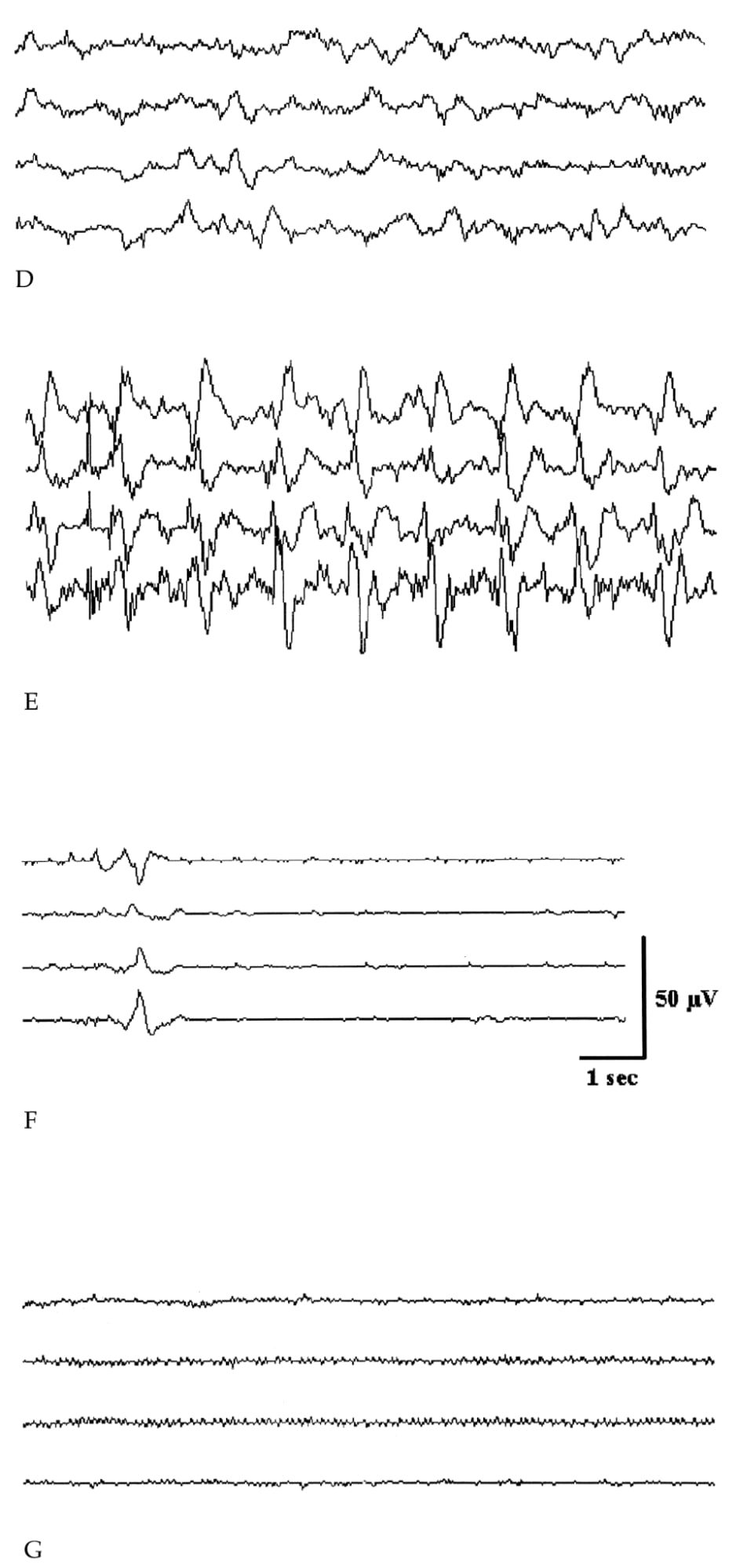
(08:00) Electrocerebral silence
(10:27) Known unknowns
The original text contained 1 footnote which was omitted from this narration.
---
First published:
April 3rd, 2026
Source:
https://www.lesswrong.com/posts/brxjGPbMy2zCQxFma/why-do-i-believe-preserving-structure-is-enough
---
Narrated by TYPE III AUDIO.
---
Love PodBriefly?
If you like Podbriefly.com, please consider donating to support the ongoing development.
Support Us