Episode Details
Back to Episodes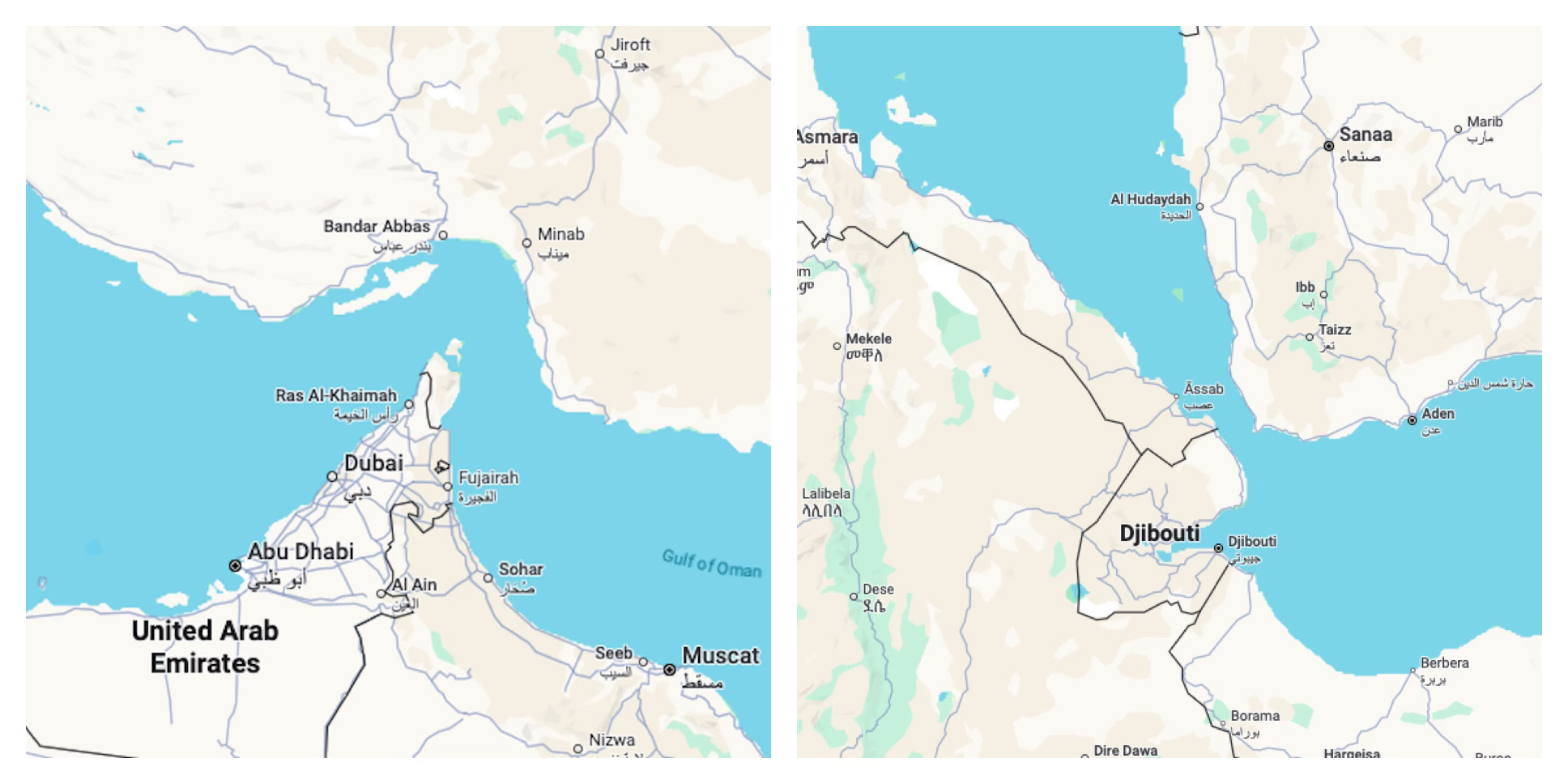
The Iran War Shakes The Global Economy (S01E24)
Description
Wednesday, March 11, 2026, Istanbul
I was interviewed today by India’s SEN television about the impact of the war on the world economy (video above). High petrol and jet fuel prices forcing Americans to cancel road trips and vacations this summer is the least of our concerns. Think about rising costs for petrochemical and fertilizers exported through the Persian Gulf jacking up prices of everything from fast fashion to breakfast cereal.
badlands is a reader-supported publication and podcast. To receive new posts and support my work, consider becoming a paid subscriber.
And while Americans and Europeans might be able to ride out further economic pressure, much of the rest of the world has barely emerged from the inflationary impact of the Covid pandemic. Any more strain could lead to political unrest and instability.
US President Donald Trump knows this. It seems rather obvious he’s looking for some kind of exit ramp off the perilous road he opted to take despite warnings from his own military and intelligence advisers. But he’ll also have to rein in Israel, which sees the war and the pliable president as rare opportunity to rid itself of a foe. That’s why it bombed Iran’s oil refineries over the weekend, earning rare criticism from evenn the most hawkish of US officials.
Iran also does not seem to be looking for the next exit. The Revolutionary Guard’s Khatam al-Anbia arm warned in a message that it would not let a “single liter” of oil out of the Persian Gulf if it is headed to a country it perceives as an enemy. It warned that it would drive oil to $200 a barrel, which could trigger a global recession like that of 2008.
Meanwhile Iran has allowed nearly 12 million barrels of its own crude out of the Persian Gulf en route to China. It’s probably repayment for the intelligence support and other material help Beijing has provided Tehran.
Iran has also yet to activate its Houthi allies in Yemen. They can close off the Bab al-Mandib strait through which Saudi Arabia has been exporting some of its oil to the rest of the world. This week, the Yemeni authorities threatened to shut off that narrow waterway.
During months-long run-up to the Iraq war, nations around the world had time to prepare for possible economic shocks as the US assembled troops in Kuwait. This time around Trump and Israel wanted to surprise Iran with a sneak attack amid ongoing negotiations over its nuclear program. They hoped a surprise attack would quickly decapitate the regime and lead to regime change.
But the regime’s leadership considered war with the US and Israel imminent and inevitable for months. It began making feverish preparations for five months, according to economist Saeed Laylaz in an interview this week in the Iranian newspaper Etemad. Laylaz recounted an October meeting he was invited to with Supreme National Security Council secretary Ali Larijani, who apprised him of the situation:
During the negotiations that took place in New York through the mediation of [Emmanuel] Macron with [Steven] Witkoff (Trump himself was also present behind the scenes), [the Iranians] realized that the other side