Episode Details
Back to Episodes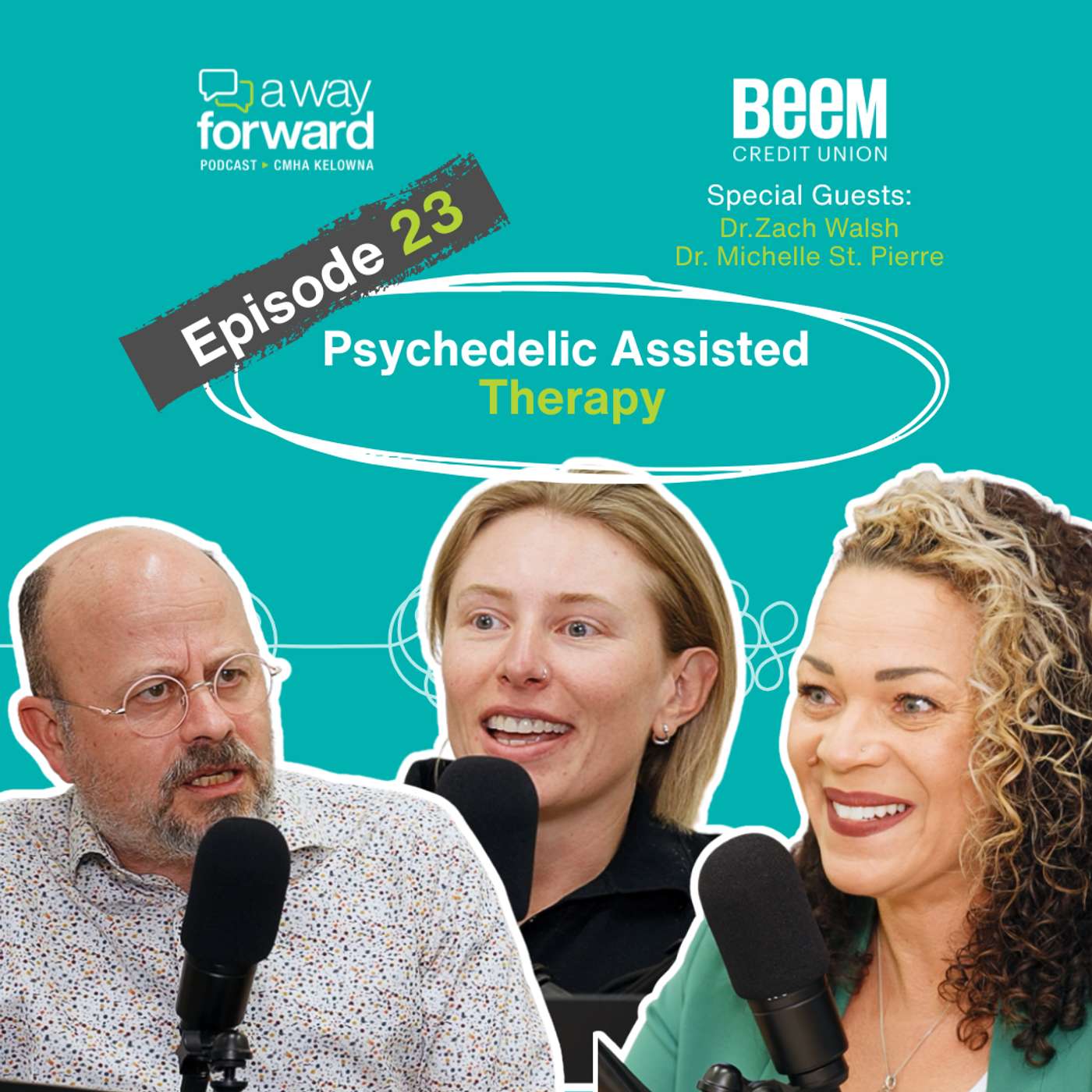
Episode 23: Psychedelic Assisted Therapy
Description
Episode Overview
This episode explores the growing field of psychedelic-assisted therapy and how substances once heavily stigmatized are now being studied and used as treatments for mental health conditions. The conversation breaks down what these therapies are, how they work, and where the science is headed.
Why Now? The “Psychedelic Renaissance”
- Early research in the 1960s–70s paused due to policy and stigma
- Resurgence began around 2010
- Drivers of renewed interest: Stronger scientific evidence, Increased public awareness (media, podcasts, documentaries), Greater accessibility of research information.
Who Might Benefit?
- People with: Treatment-resistant depression, PTSD, Addiction challenges
- Potential broader use: Early intervention, Preventative mental health care, Improving overall well-being (future direction)
Key Benefits Highlighted
- Can increase psychological flexibility
- Helps people get “unstuck”
- May uncover root causes of distress
- Provides a sense of hope when other treatments fail
Challenges & Considerations
- Access remains limited and expensive
- Requires trained professionals and structured support
- Not effective for everyone
- Ethical concern: ensuring equitable access as the field grows
What’s Next?
Areas needing more research:
- Who benefits most and why
- Best therapeutic approaches to pair with psychedelics
- Long-term outcomes
Future considerations:
- Moving from last-resort treatment → early intervention
- Improving affordability and access
- Avoiding over-commercialization
Key Takeaway
Psychedelic-assisted therapy is not a standalone “quick fix.” It is a structured, therapeutic process that combines powerful experiences with guided support to help people better understand and change their mental health patterns.
Listener Resources
Love PodBriefly?
If you like Podbriefly.com, please consider donating to support the ongoing development.
Support Us