Episode Details
Back to Episodes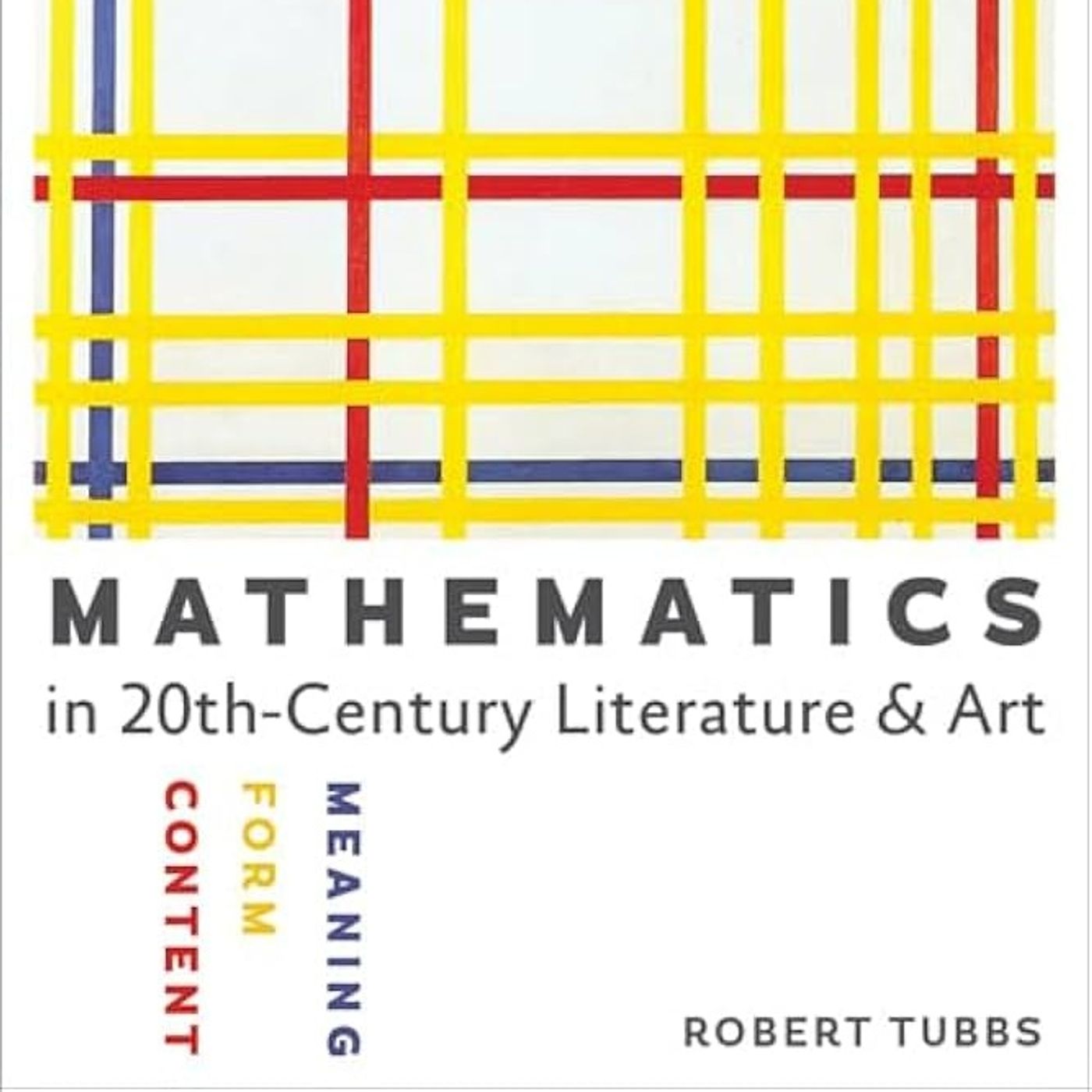
Mathematics in Twentieth-Century Literature and Art: Content, Form, Meaning
Published 1 week, 5 days ago
Description
Explores the multifaceted relationship between mathematical concepts and creative expression across the arts. It begins by examining surrealist writing and art, showcasing how mathematical surfaces, new geometries, and abstract ideas influenced artists like Man Ray and writers like André Breton. The text then investigates the role of axiomatic structures in art, such as Malevich's "Black Square," and in literature, connecting them to Hilbert's foundational work in geometry. Further chapters reveal how mathematical forms like the Möbius strip and Klein bottle provided literal and conceptual frameworks for narratives by authors like John Barth and Alain Robbe-Grillet, while also discussing the presence of infinite numbers and graph theory in literary choices. Finally, the source illustrates the use of mathematical principles in poetry, random art, and algorithmic composition, demonstrating how artists like Alfred Jensen and writers like Jackson Mac Low integrated numbers, prime numbers, and arbitrary systems into their creative processes, ultimately arguing for mathematics' significant role in understanding modern artistic thought.
You can listen and download our episodes for free on more than 10 different platforms:
https://linktr.ee/book_shelter
Get the Book now from Amazon:
https://www.amazon.com/Mathematics-Twentieth-Century-Literature-Art-Content/dp/1421413795?&linkCode=ll2&tag=cvthunderx-20&linkId=eaf5adc29067038995ec2e816a2f83da&language=en_US&ref_=as_li_ss_tl
Produced by Podcai Studio:
https://www.podcaistudio.com/
You can listen and download our episodes for free on more than 10 different platforms:
https://linktr.ee/book_shelter
Get the Book now from Amazon:
https://www.amazon.com/Mathematics-Twentieth-Century-Literature-Art-Content/dp/1421413795?&linkCode=ll2&tag=cvthunderx-20&linkId=eaf5adc29067038995ec2e816a2f83da&language=en_US&ref_=as_li_ss_tl
Produced by Podcai Studio:
https://www.podcaistudio.com/