Episode Details
Back to Episodes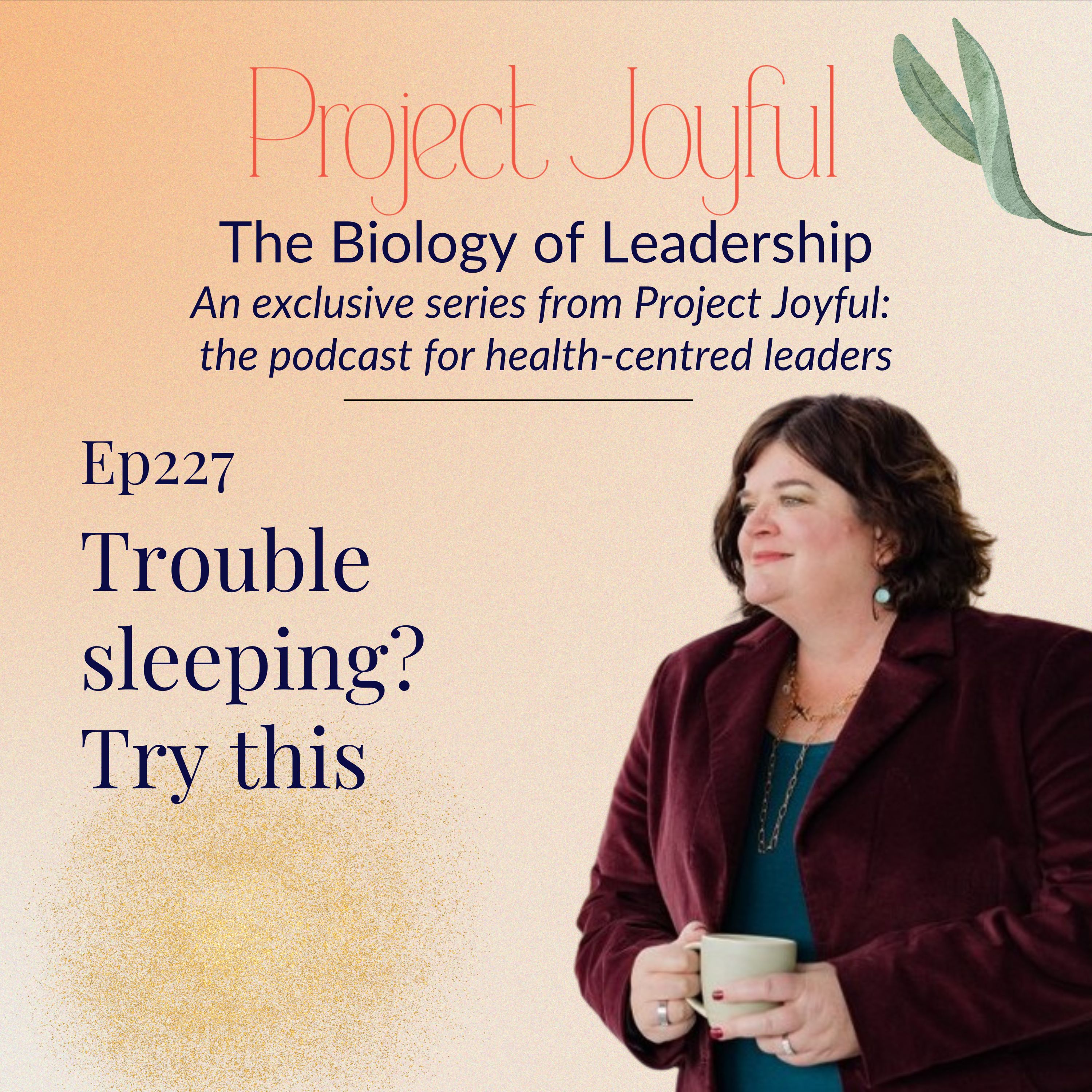
When Sleep Stops Working
Description
Sleep is one of the most common concerns women bring into clinic. For some, sleep has always been fragile. For others, sleep worked reliably for years and then gradually began to change. Falling asleep becomes harder, waking during the night becomes more common, or mornings arrive without the sense of restoration sleep once provided.
When this happens, the instinct is usually to search for the strategy that will fix it. Evening routines are refined, supplements are trialled, and sleep environments are optimised in the hope that sleep will return to the way it once was.
But disrupted sleep is rarely just about sleep.
Your ability to sleep well is influenced by several systems working together. Your nervous system, hormonal rhythms, metabolism, circadian biology, and the cognitive demands placed on your brain all play a role. When one of these systems shifts, sleep is often the first place your body signals that something needs attention.
In this episode of Project Joyful, Tracy explores what is actually happening in your body when sleep stops working in the way it once did. Drawing on her clinical experience as a Medical Herbalist and Neuro-Identity Coach, she explains the biological drivers behind disrupted sleep and why these patterns are so common in capable, high-performing women.
You’ll learn why your mind can become alert at night even when your body is tired, how hormones and metabolism influence sleep stability, and how circadian rhythms shape the quality of your rest. Tracy also shares practical, science-informed strategies you can begin using to support your physiology and help your body return to deeper restorative sleep.
This conversation reframes sleep from something you need to force or fix, to something your body can do naturally when the underlying systems are supported.
In this episode you’ll discover:
- Why sleep problems are often signals from deeper physiological systems
- How your nervous system influences whether your brain can power down at night
- The role hormones play in sleep changes during perimenopause and menopause
- Why blood sugar stability matters for staying asleep through the night
- How circadian rhythms influence melatonin, cortisol, and sleep timing
- Practical strategies to support your nervous system and improve sleep quality
Practical strategies discussed:
- Creating a structured wind-down routine before bed
- Supporting blood sugar stability with balanced evening nutrition
- The role of liver function in hormone metabolism
- Using morning light exposure to anchor circadian rhythm
- Creating an optimal sleep environment (including the ideal bedroom temperature of 16–19°C)
If your sleep has changed…
If you recognise yourself in this conversation and sense your body asking for a deeper level of restoration, Tracy’s Revitalise programme supports women in recalibrating the physiological foundations of sleep, energy, and nervous system resilience.
Learn more here:
https://www.tracytutty.co.nz/Revitalise
About Project Joyful
Project Joyful is a podcast exploring the intersection of health, physiology, identity, and leadership for women who carry significant responsibility in their work and lives. Each episode blends clinical insight with practical strategies to help you support your body while continuing to lead and live well.