Episode Details
Back to Episodes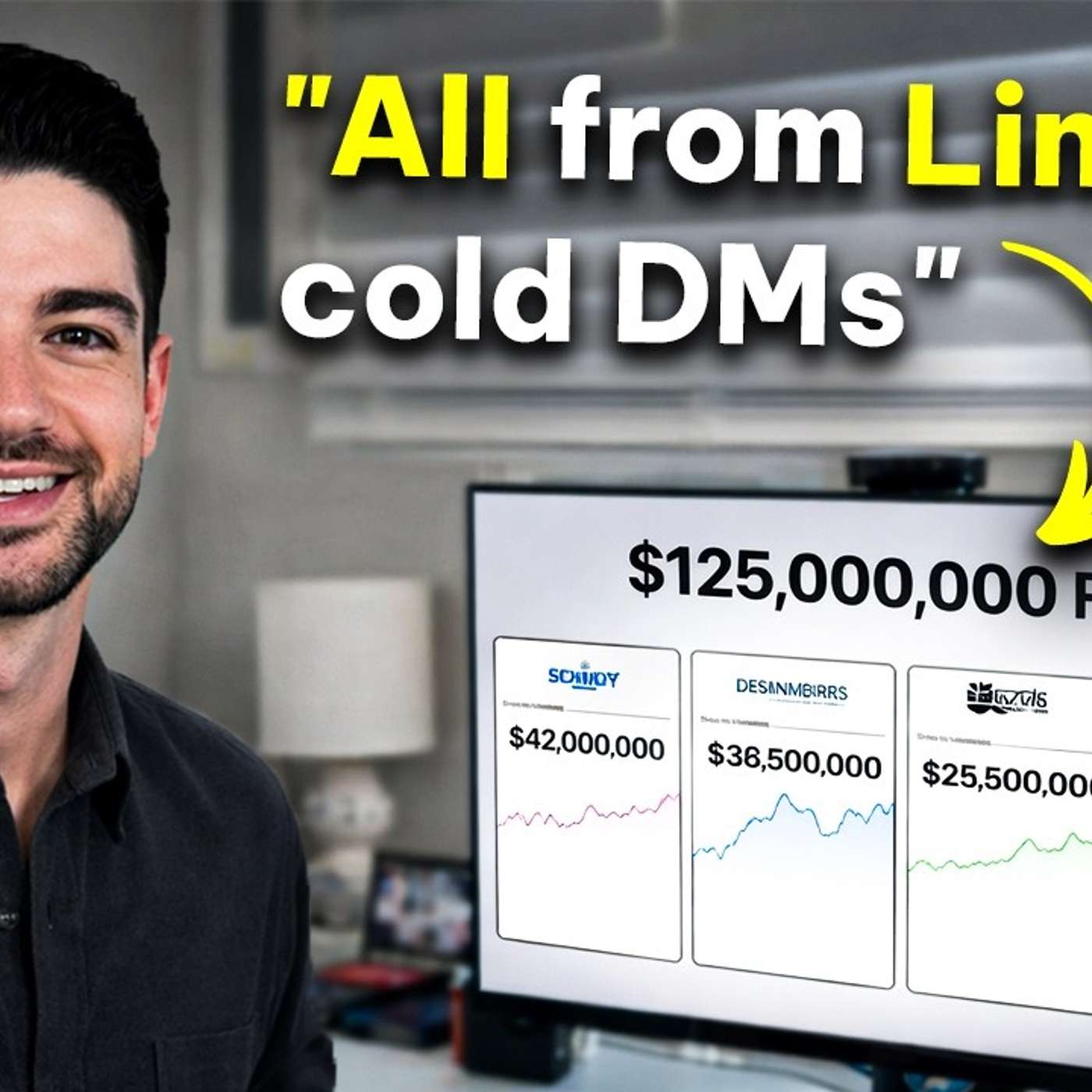
He Raised $125M on LinkedIn to Buy Boring Businesses (it worked...)
Description
Sam Silverman raised $125 million in investor capital almost entirely through LinkedIn cold outreach solo, no team, no fund behind him. He deployed that capital into a paving company roll-up with four acquisitions in 18 months, an accounting firm he built from scratch, and a private credit fund. He started as an SDR making $37,000 a year.
❌ No finance degree
❌ No Wall Street background
❌ No inherited deal flow — 95% of his capital came from LinkedIn
In this episode, Sam breaks down exactly how he went from cold messaging strangers on LinkedIn to managing a portfolio of boring businesses backed by $125 million in investor capital.
Sign Up For Free to the SMB Deal Hunter Newsletter: https://join.smbdealhunter.xyz
Work With Me to Help You Buy a Business: https://pro.smbdealhunter.xyz/
🔥 WHAT YOU'LL LEARN:
✅ How he raised his first $20-30 million entirely through LinkedIn cold outreach by targeting people in his own industry, and the peer-to-peer approach that made strangers trust him with six-figure checks
✅ The specific LinkedIn Sales Navigator tactic he uses to find investors at the exact moment they can deploy capital — people who switched jobs in the last 90 days and can roll their 401k into a self-directed IRA
✅ Why he chose paving over HVAC, landscaping, or any other blue-collar roll-up — and how one concrete acquisition would add $2 million EBITDA to the bottom line on day one
✅ How he structures deals so sellers stay on and actually enjoy working post-acquisition, and why every new LOI in his pipeline came as a referral from a previous seller
✅ The 1.5-2x equity step-up structure he recommends for first-time buyers who want to acquire a business with little or no capital of their own
✅ Why he says go bigger on your first deal — and the specific risk he sees in buying anything under $1 million in EBITDA
✅ Where to find investors if you have no track record, no credibility, and no network — and why he says industry conferences are the worst place to look