Episode Details
Back to Episodes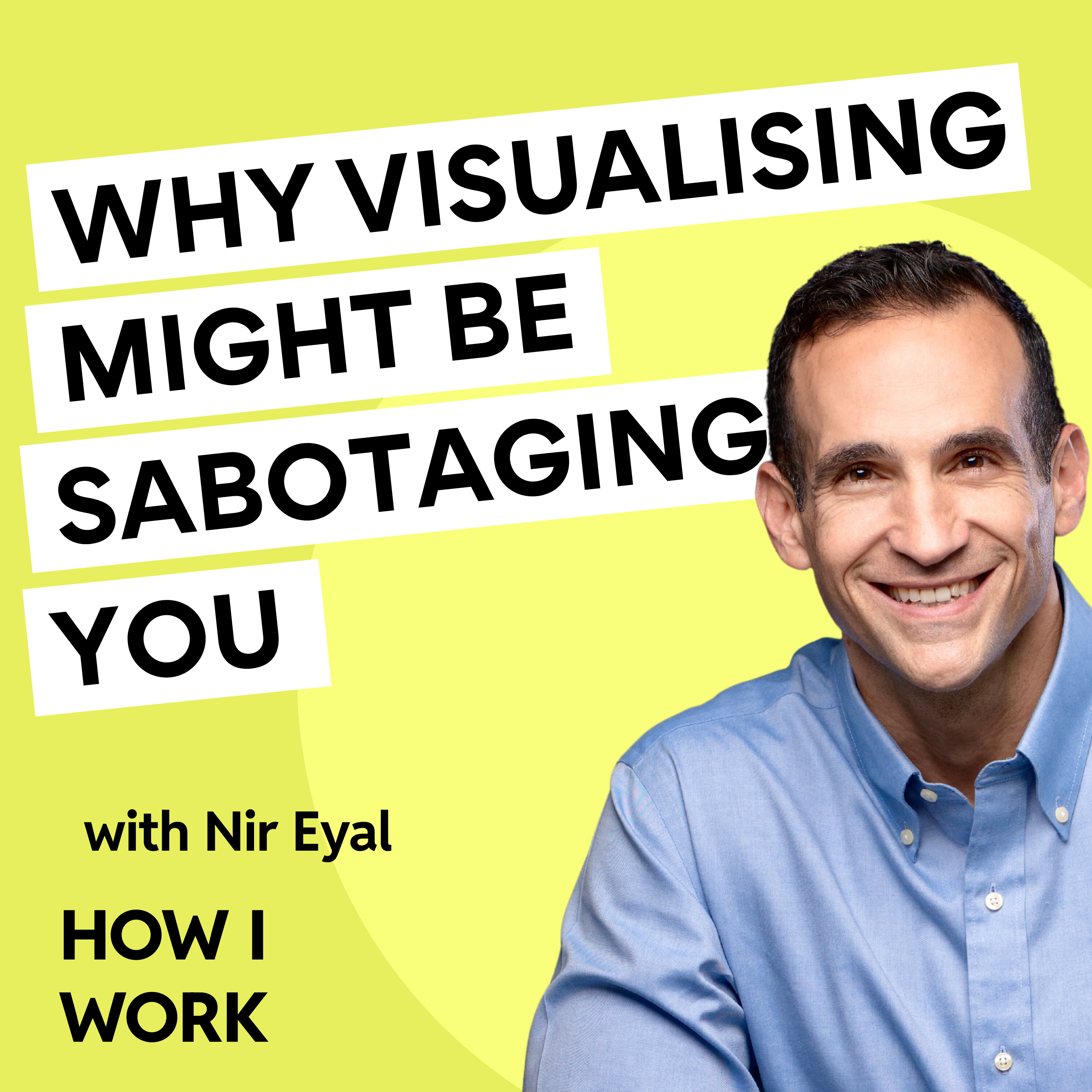
Why visualising success might be sabotaging you, with Nir Eyal (Part 2)
Description
Visualising success feels productive. Vision boards, manifesting, picturing the finish line. It gives the sense that you’re moving closer to the goal.
But according to the research, that mental shortcut might actually be working against you.
In Part 2 of this two-parter (listen to Part 1 here), I continue my conversation with behavioural scientist and author Nir Eyal to unpack why. Nir spent six years researching how beliefs shape what we see, feel, and do, and why the stories we tell ourselves can dramatically change our behaviour.
We talk about the surprising power of “failure goals”, why lucky people often manufacture their own luck, and how leaders shape behaviour through the invisible simulations they create at work. Nir also explains why framing matters more than many leaders realise, and why the way you interpret discomfort can completely change how you perform.
And when it comes to visualisation, Nir shares a key insight from elite sport. High-performing athletes aren’t picturing themselves standing on the podium. They’re visualising the moment things get hard, and exactly what they’ll do next.
Nir and I discuss:
- Why setting a failure goal can actually increase your chances of success
- The study that shows why some people experience themselves as “lucky”
- How beliefs shape what we see, feel, and do in everyday life
- Why leaders are effectively designing simulations through workplace culture
- The powerful role of framing when introducing ideas to teams
- The “believe, anticipate, feel, confirm” loop that shapes our experiences
Listen Now
Love PodBriefly?
If you like Podbriefly.com, please consider donating to support the ongoing development.
Support Us