Episode Details
Back to Episodes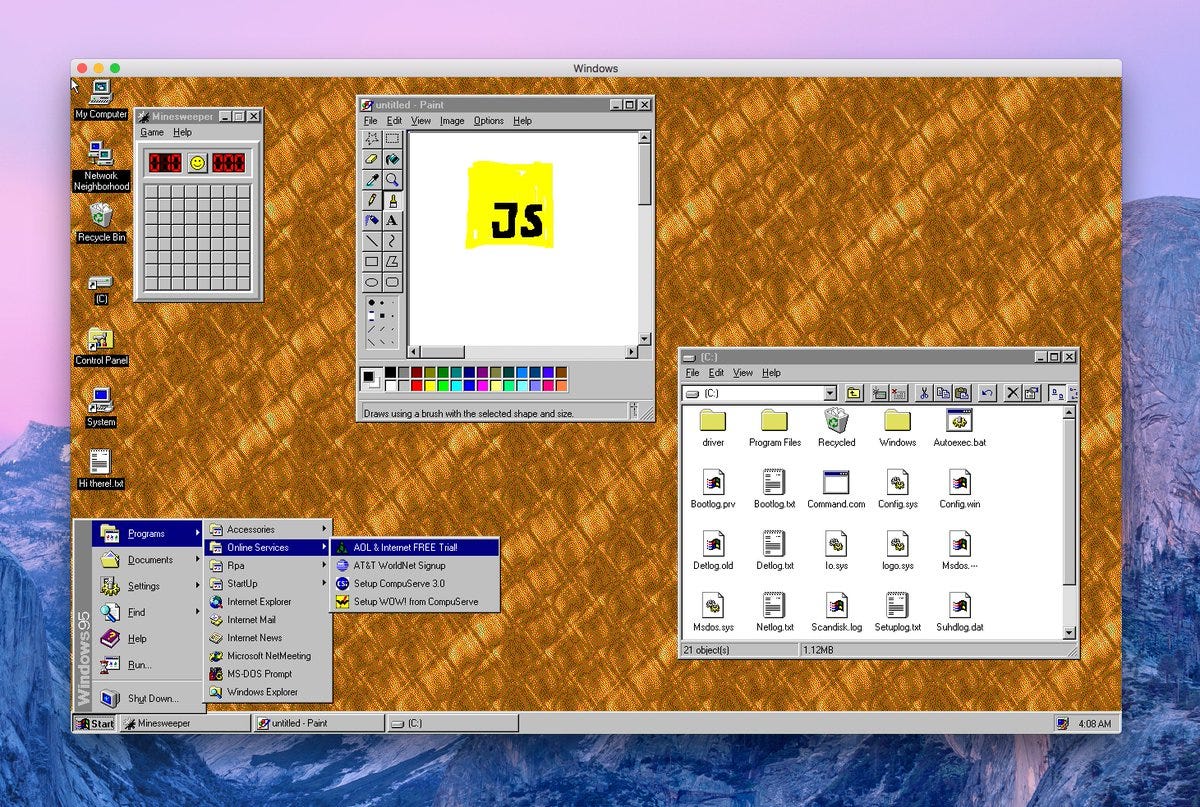
Why Anthropic Thinks AI Should Have Its Own Computer — Felix Rieseberg of Claude Cowork & Claude Code Desktop
Description
Claude Cowork came out of an accident.
Felix and the Anthropic team noticed something interesting with Claude Code: many users were using it primarily for all kinds of messy knowledge work instead of coding. Even technical builders would use it for lots of non-technical work.
Even more shocking, Claude cowork wrote itself. With a team of humans simply orchestrating multiple claude code instances, the tool was ready after a brief week and a half.
This isn’t Felix’s first rodeo with impactful and playful desktop apps. He’s helped ship the Slack desktop app and is a core maintainer of Electron the open-source software framework used for building cross-platform desktop applications, even putting Windows 95 into an Electron app that runs on macOS, Windows, and Linux.
In this episode, Felix joins us to unpack why execution has suddenly become cheap enough that teams can “just build all the candidates” and why the real frontier in AI products is no longer better chat, but trusted task execution.
He also shares why Anthropic is betting on local-first agent workflows, why skills may matter more than most people realize, and how the hardest questions ahead are about autonomy, safety, portability, and the changing shape of knowledge work itself.
We discuss
* Felix’s path: Slack desktop app, Electron, Windows 95 in JavaScript, and now building Claude Cowork at Anthropic
* What Claude Cowork actually is: a more user-friendly, VM-based version of Claude Code designed to bring agentic workflows to non-terminal-native users
* Why “user-friendly” does not mean “less powerful”: Cowork as a superset product, much like how VS Code initially looked simpler than Visual Studio but became more hackable and extensible
* Anthropic’s prototype-first culture: why Cowork was built in 10 days using many pre-existing internal pieces, and how internal prototypes shaped the final product
* Why execution is getting cheap: the shift from long memos, specs, and debate toward rapidly building multiple candidates and choosing based on reality instead of theory
* The local debate: why Felix thinks Silicon Valley is undervaluing the local computer, and why putting Claude “where you work” is often more powerful
* Why Claude gets its own computer: the VM as both a safety boundary and a capability unlock, letting Claude install tools, run scripts, and work more independently without constant approval
* Safety through sandboxing: why “approve every command” is not a real long-term UX, and how virtual machines create a middle ground between uselessly safe and dangerously autonomous
* How Cowork differs from Claude Code: coding evals vs. knowledge-work evals, different system-prompt tradeoffs, longer planning horizons, and heavier use of planning and clarification tools
* Why skills matter: simple markdown-based instructions as a lightweight abstraction layer for reusable workflows, personalized automation, and portable agent behavior
* Skills vs. MCPs: why Felix is increasingly interested in file-based, text-native interfaces that tell the model what to do, rather than forcing everything through rigid tool schemas
* The portability problem: why personal skills should move across agent products, and the unresolved tension between public reusable w