Episode Details
Back to Episodes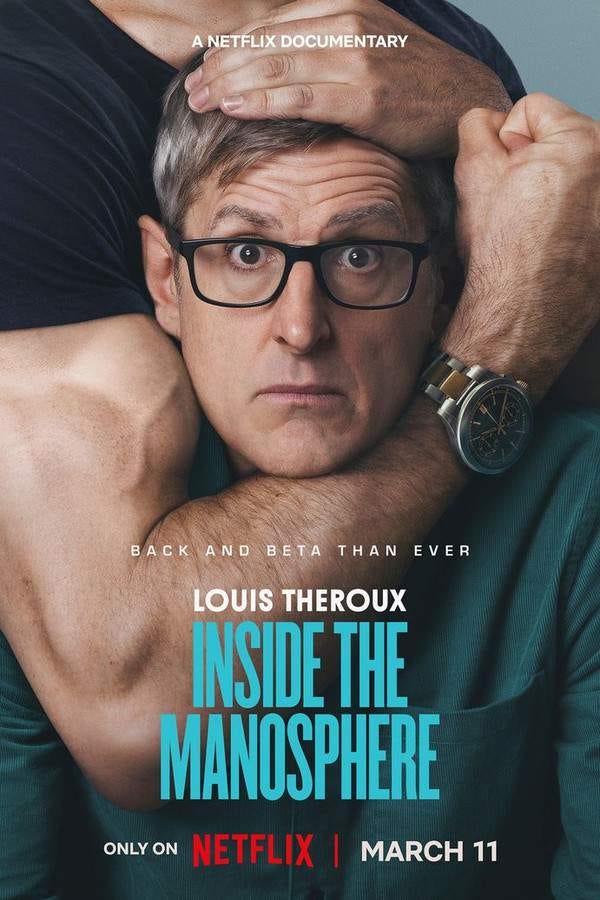
"If I'd Just Done Good Things, I Would've Never Blown Up on the Internet"
Description
This quote comes from red pill influencer, Harrison Sullivan, in Louis Theroux’s latest documentary, Inside the Manosphere. Theroux was prodding Sullivan about the influence he wields over young boys. As an audience, we’d just witnessed Sullivan and his crew catfish and then physically assault a gay man who thought Sullivan had asked him on a date.
In the aftermath of this unprovoked attack, Sullivan seems momentarily shaken. He’d been live with his viewers, who’d been encouraging the group towards violence, but Sullivan seems shocked at what actually transpired. Wary of further legal troubles (he had already fled a warrant in the UK for reckless driving and fleeing the scene of accident) he quickly deletes the video.
The quote struck me as a rare moment of honesty. Harrison is admitting that he sees how social media works and has decided to ride that train to money and fame at the cost of his integrity. If the choice was between being a good person and being a successful influencer, he chose the latter.
Heretic Hereafter is a reader-supported publication. To receive new posts and support my work, consider becoming a free or paid subscriber.
The manosphere has been a concern and fascination for me in the last few years. As a feminist raising tween and teen sons, I worry about the messages they’re exposed to online. I’ve seen the YouTube algorithm lead my 13-year-old, A, from videos on proper pull-up form to a stream of rise-and-grind fitness influencers who promote six-hour-plus “morning routines” and tout body transformations that are impossible absent heavy steroid use.
And I worry that darker corners await.
A and I watched the Netflix doc together; as much as it pissed me off, it provided good discussion fodder. From our talks I’ve gathered that the manosphere’s appeal for young boys is:
* they provide a clear roadmap to becoming “a man” in a confusing landscape of quickly changing social mores around gender. (Adolescents are in the process of figuring out their identities, so they’re particularly receptive to these sorts of messages)
* they promote agency in a culture that’s increasingly bent towards passive consumption/entertainment
* they’re selling a so-called “proven” path towards power (abs, crypto) to a group who often feels disempowered
As we talked, I tried to affirm A’s feelings and desires. It’s normal to crave clarity in a confusing world and it’s great to tap into your own agency and make positive changes in your life. We want young men to have healthy self-esteem and work towards building competence and independence.
The problem is that while these influencers start with a kernel of truth, they serve it up alongside a pile of BS, conspiracy theories, and hate.
Like most kids his age, A is puzzling out his identity: what does he like and not like, what labels will he accept or reject? At his school, there are clubs and affinity groups for Black boys, for girls, and for LGBT youth. As a straight white boy, A sometimes complains about being left out. I believe these affinity groups have value, but I also empathize with A: where is the safe space for guys like him?
Into this vacuum comes the manosphere. On one hand, they promise that boys can take charge of their lives, and on the other they’re hawking the same passive consumption that all influencers do. It’s never just “work out and feel good about yourself” it’s “buy my supplements” and “invest on my day trading app” and “pay for my monthly program.”
Worse still, these manfluencers don’t just promote pride in one’s masculinity, they actively promote beliefs that dehumanize women, LGBT people, and Jewish people. Their view of masculinity has zero intersection with any recognizable form of morality.
And the funny thing was, when Theroux confronted these men wit