Episode Details
Back to Episodes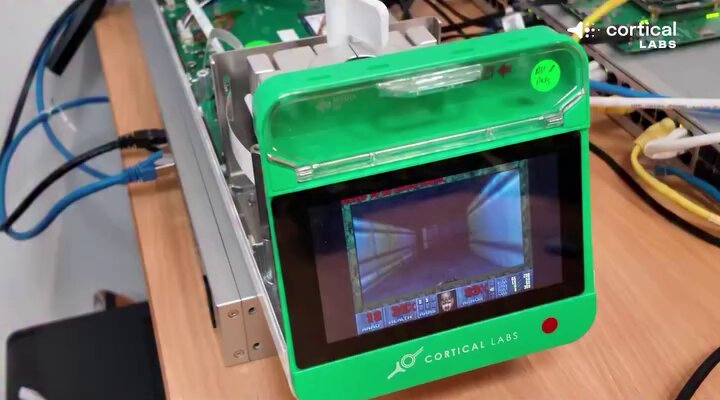
Neural Tissue Comp Now Cheaper Than Silicon! (This Changes Everything)
Description
Dive into the future of computing with Malcolm and Simone Collins on Based Camp! In this mind-bending episode, we explore the breakthrough in wetware—using real human neurons grown from skin and blood cells to power affordable bio-computers. From Cortical Labs' $35,000 neuron chips that play Doom to mini-brains mimicking kindergartners' neural patterns, we discuss how this tech is cheaper and more efficient than traditional silicon systems. We tackle ethics (including pain pathways in lab-grown brains), AI alignment, quantum integration, cultural perspectives from Puritan roots, and wild speculations on space-faring brain ships, human uploads, and a networked species beyond humanity. Is this the end of worst-case AI scenarios or the dawn of servitors? Plus, thoughts on techno-puritanism, Soma-inspired horrors, and why backwoods traditions embrace utility over mysticism.
The X posts we mention in this podcast:
Episode Transcript
Malcolm Collins: Hello Simone. I’m excited to be here with you today. Today we are going to be discussing a breakthrough that I hadn’t expected which is that. Using neurons in bio-inspired systems is now a reality that you, a watcher of this show can likely afford yourself. If you wanted to try some sort of like business experiment based on this, what and in many ways is now cheaper than doing it on computer.
And this was a huge breakthrough that changes a lot of, if you’re looking deep future of where humanity goes at this point. Mm-hmm. With the development of quantum computers, was the development of AI continuing one thing that a lot of people feared and, and this is why I say that. This is such a, like, a lot of people are like, Malcolm, this is horrifying.
Like, are you excited about servs and everything like that? Like humans being turned into like. Husks for a [00:01:00] machine,
Speaker 2: Define the damage. Spine. Compromised. Have you not received pain? Suppressants suppressing pain? Damage submitted report to the surgical bay.
Malcolm Collins: And it’s like, well, we’ll we’ll get to that, we’ll get to that. But what makes it really good is it changes worst case scenarios. Worst case scenarios for ai, foaming taking over the world, expanding into space.
Historically speaking before today I would say that in such a scenario as that, you know, humanity gets wiped out there is maybe a 3% chance that neurons or biological matter is part of whatever AI’s become. We are now, like if we’re using AI estimates here, because I was going through ai, having it compile all the research we have on where quantum computers are right now, you know, looking at computers a hundred years from now without humans around anymore it said 60 to 70% chance [00:02:00] that it would be partner on.
Simone Collins: Wow.
Malcolm Collins: So that’s, that’s now the worst case AI scenario, right? Mm-hmm. Likelihood this is, you know, humanity wiped out or enslaved our overlords. And, and what’s interesting is that the part of, and we’re gonna go into, okay, 50, 60 years from now, we project technology moving forwards and sort of the jumps that we’ve been seeing, technology moving forwards, what does a computer look like?
You know, quantum computing is working. We continue to see advancements in silicon-based computing. And we see these startups and companies continue to develop at this rate. Was it, was it neural computing? Yeah. What we’re gonna go into is, is, is what that computer is going to look like. Um hmm.
Speaker 15: , that does not mean the value of your existence turns negative to the contrary.
When it comes to the macro management of the civil system,. Your role has simply changed. Only. This can solidify the health and prosperity of future human [00:03:00] society,
Malcolm Collins: and what is, what is I think