Episode Details
Back to Episodes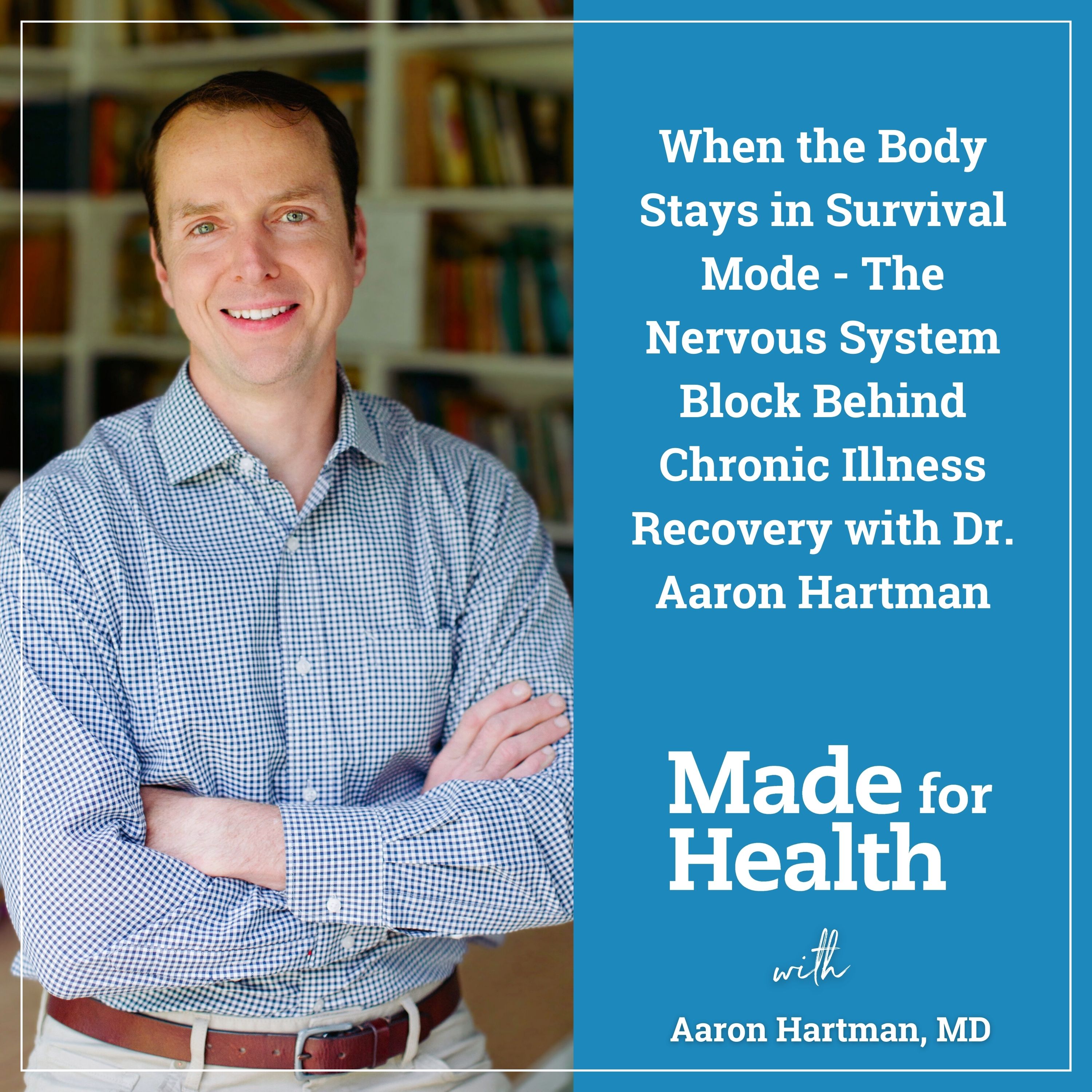
When the Body Stays in Survival Mode - The Nervous System Block Behind Chronic Illness Recovery with Dr. Aaron Hartman | Chronic Illness | E125
Description
What if recovery from chronic illness stalls not because treatment failed, but because the nervous system is still stuck in survival mode?
In this minisode, Dr. Aaron Hartman explores a lesser-discussed factor in chronic illness recovery: trauma and nervous system dysregulation. While many patients focus on treating infections, toxins, or environmental exposures, healing can sometimes stall because the nervous system remains stuck in a survival response.
Drawing on insights from Dr. Neil Nathan’s work and emerging research on chronic inflammatory response syndrome (CIRS), Dr. Hartman explains how mold-related illness, toxic exposures, and chronic health stress can produce brain patterns similar to post-traumatic stress disorder (PTSD). Advanced imaging and genomic research have even identified structural and functional changes in the brain, including enlargement of the amygdala and reduced hippocampal volume in some patients.
The episode highlights how chronic illness itself can become a form of trauma, affecting the autonomic nervous system, mitochondrial signaling, and the body’s ability to heal. Dr. Hartman explains the concept of the cell danger response, where mitochondria temporarily shut down healing processes until the body perceives that the environment is safe again.
Understanding both big T trauma (major life events) and little T trauma (chronic illness, environmental stressors, and repeated health crises) may be a key step for patients who feel stuck in their recovery journey.
Key Topics Covered
- How chronic inflammatory response syndrome (CIRS) can affect brain function and stress responses
- Research showing PTSD-like brain patterns in some individuals with mold-related illness
- The role of the amygdala and hippocampus in trauma and chronic stress responses
- How chronic illness itself can become a neurological trauma trigger
- The impact of autonomic nervous system dysregulation on symptoms like anxiety, fatigue, dizziness, and brain fog
- Why patients may plateau in recovery even after addressing infections, toxins, or mold exposure
- The concept of the cell danger response and mitochondrial signaling in chronic illness
- How environmental exposures, toxins, and infections can act as repeated micro-traumas to the nervous system
- The difference between big T trauma and little T trauma in chronic health conditions
- Tools and strategies for calming the nervous system and supporting recovery
Discover the book here: https://uncurablebook.com/
Follow Dr. Aaron Hartman and Richmond Integrative & Functional Medicine
🌐 Website: https://richmondfunctionalmedicine.com/
📺 YouTube: @AaronHartmanMD