Episode Details
Back to EpisodesWinter Weather Advisory: Freezing Rain and Quarter Inch Ice Accumulations Threaten Northeast Highways
Description
A Deceptive and Dangerous Commute
The Northeastern United States is facing a highly deceptive weather event as a new winter system moves through the region. With Winter Weather Advisories currently active across New York, Connecticut, Rhode Island, Massachusetts, and Vermont, drivers are facing a treacherous mix of precipitation. Unlike a traditional snowstorm, this system is bringing a messy and highly volatile combination of sleet and freezing rain, turning the Friday commute into a significant hazard for anyone on the road.
The active advisories will not extend into Saturday. A significant warming trend is expected to move into the region over the weekend. By Saturday, a milder air mass will push high temperatures into the mid 40s across much of New England, completely removing the threat of freezing rain.
Freezing Rain and Ice Accumulations
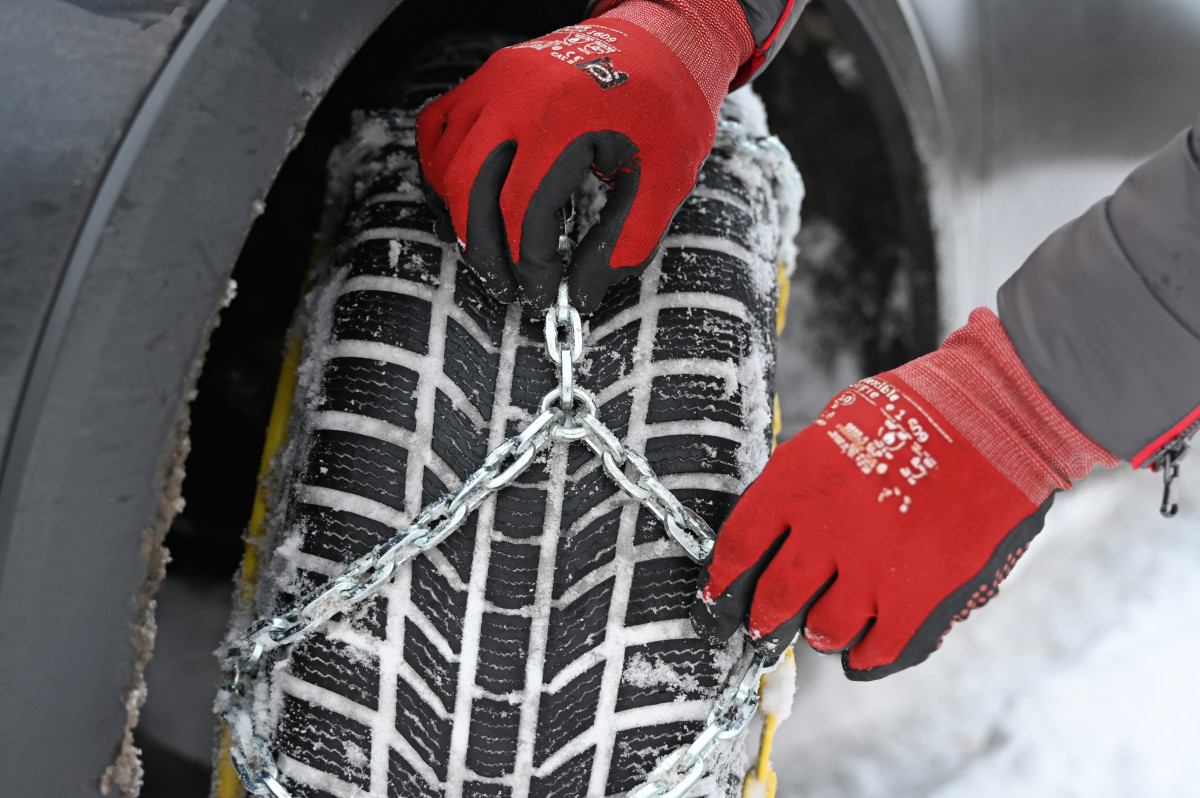
The primary threat for motorists is not snow volume, but rather the rapid accumulation of ice. Forecasters are predicting up to a quarter inch of ice accumulation, particularly in areas like the southern Adirondacks and western New England. When rain falls into subfreezing surface air, it creates a sudden and nearly invisible glaze on the asphalt. Even a fraction of an inch of ice is enough to completely eliminate tire traction, making vehicle control nearly impossible, regardless of whether you have All Wheel Drive or winter tires.
Impact on Infrastructure and Bridges
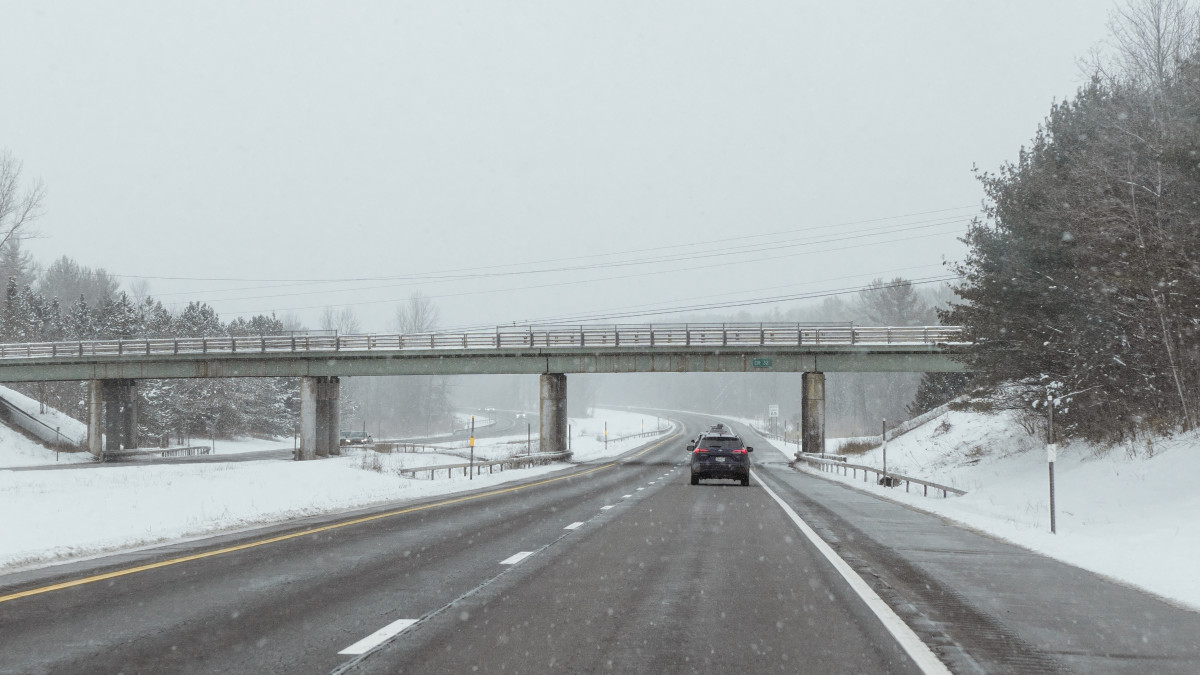
This wintry mix is especially dangerous because of how it interacts with highway infrastructure. Elevated surfaces, such as bridges and overpasses, will flash freeze significantly faster than the regular roadway. Drivers may be cruising at highway speeds on wet pavement, only to suddenly encounter a sheet of solid ice upon crossing a bridge. This dramatic shift in road conditions is the leading cause of accidents during freezing rain events, meaning defensive driving and drastically reduced speeds are mandatory.
Preparation and Extreme Caution
Navigating freezing rain is arguably the most dangerous winter driving scenario. If travel is absolutely necessary, motorists must prepare for drastically increased stopping distances and the likelihood of sudden traction loss. It is critical to leave massive gaps between vehicles and avoid any sudden braking or steering inputs. However, given the severe threat posed by a quarter inch of ice, the safest course of action is to delay travel entirely until temperatures rise and road crews can effectively treat the asphalt.