Episode Details
Back to Episodes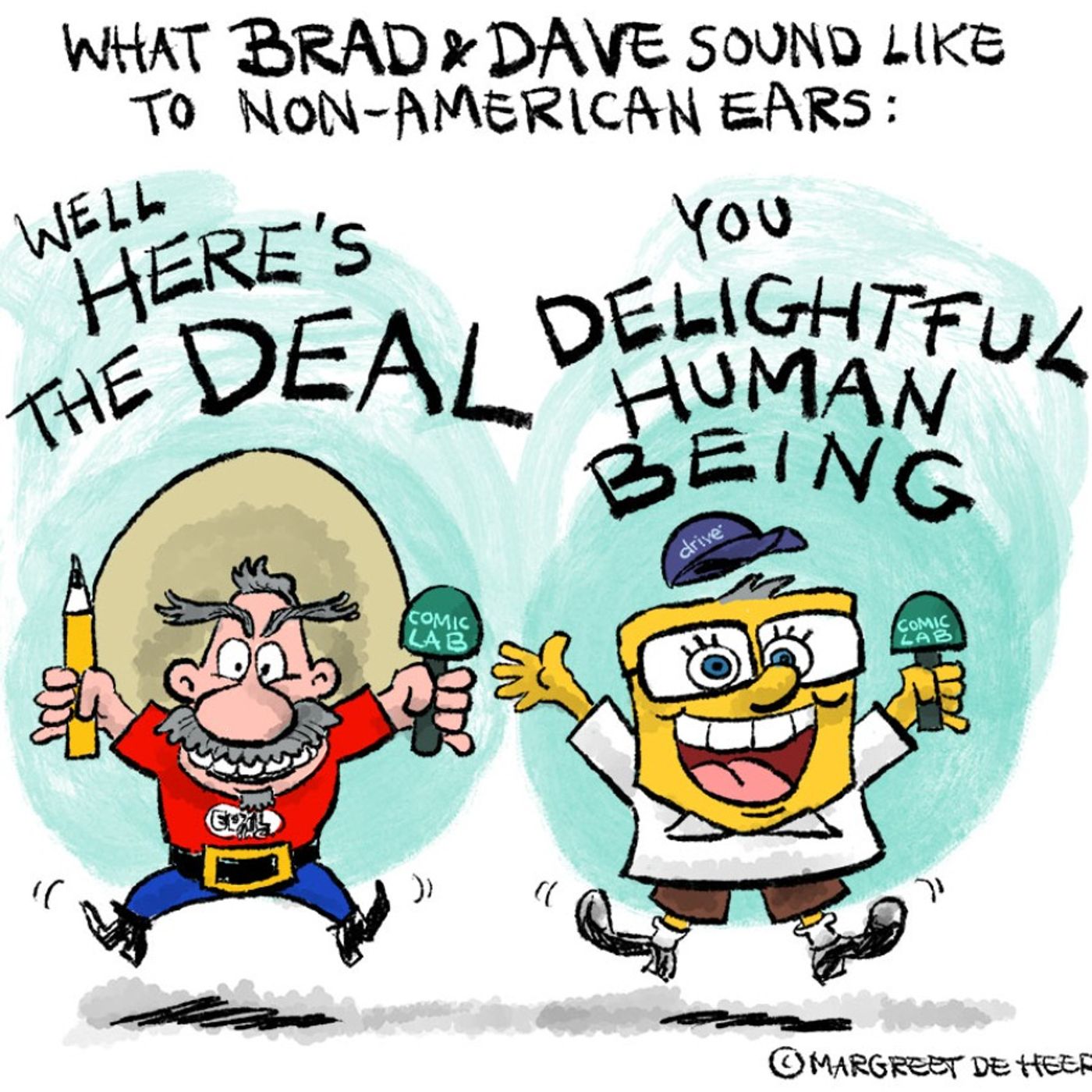
Concept vs. Conceit — Why Some Comic Ideas Take Off (and Others Stall)
Description
What’s the difference between a concept and a conceit — and why does confusing the two quietly sabotage so many comics?
In this episode, Brad and Dave break down one of the most important (and misunderstood) distinctions in storytelling. A concept is the engine that drives your story forward. A conceit is a clever wrapper that might look great… but doesn’t go anywhere.
If you’ve ever launched a comic that felt strong at first but ran out of momentum, this conversation will hit home.
We talk about:
- Why constraints actually fuel creativity
- How to test whether your idea has real staying power
- The danger of building a comic around a gimmick
- And how to strengthen your story before you spend months drawing it
Today's show:
- A comic without recurring characters
- UPDATE: ComicLab accent challenge
- UPDATE: Amazon Advantage
- UPDATE: DoubleDogBook.com
- How to do a sarcastic word balloon
Takeaways
- Character design plays a crucial role in storytelling.
- Comics can thrive without a central protagonist.
- Idea-driven comics have historical precedence.
- Naming a comic can be a challenging but essential task.
- Feedback is vital in the creative process.
- Constraints can enhance creativity and focus.
- Monosyllabic titles are often more memorable.
- A good title can significantly impact a comic's success.
- The creative journey involves trial and error. Sharing ideas at smaller levels can reveal what resonates.
- Avoiding sunk cost fallacy is crucial in decision-making.
- Amazon Advantage can lead to unexpected losses.
- Understanding the costs of shipping is essential for profitability.
- Sarcasm in comics requires careful visual and textual cues.
- Bold lettering can enhance the impact of sarcasm.
- Walt Kelly's techniques in lettering were innovative but sometimes excessive.
- Comic creators should consider the visual presentation of dialogue.
- A well-crafted word balloon can convey emotion effectively.
- The legacy of past cartoonists informs current practices.
You get great rewards when you join the ComicLab Community on Patreon
- $2 — Early access to episodes
- $5 — Submit a question for possible use on the show AND get the exclusive ProTips podcast. Plus $2-tier rewards.
If you'd like a one-on-one consultation about your comic, book it now!
Brad Guigar is the creator of Evil Inc and the author of The Webcomics Handbook. He is available for personal consultations. Dave Kellett is the creator of Sheldon and Drive. He is the co-director of the comics documentary, Stripped.