Episode Details
Back to EpisodesDestination Fees on New Cars Have Jumped 67% — Some Now Top $3,000
Description
New car prices have been rising every year since 2020 in the United States due to a combination of pandemic-induced supply chain disruptions, computer chip shortages, inflation, high demand, and increased production costs, among other factors.
For the first time ever, average new car prices in the U.S. crossed the $50,000 threshold in late 2025, a 32% increase over 2020, when the average price of a new car was under $38,000.
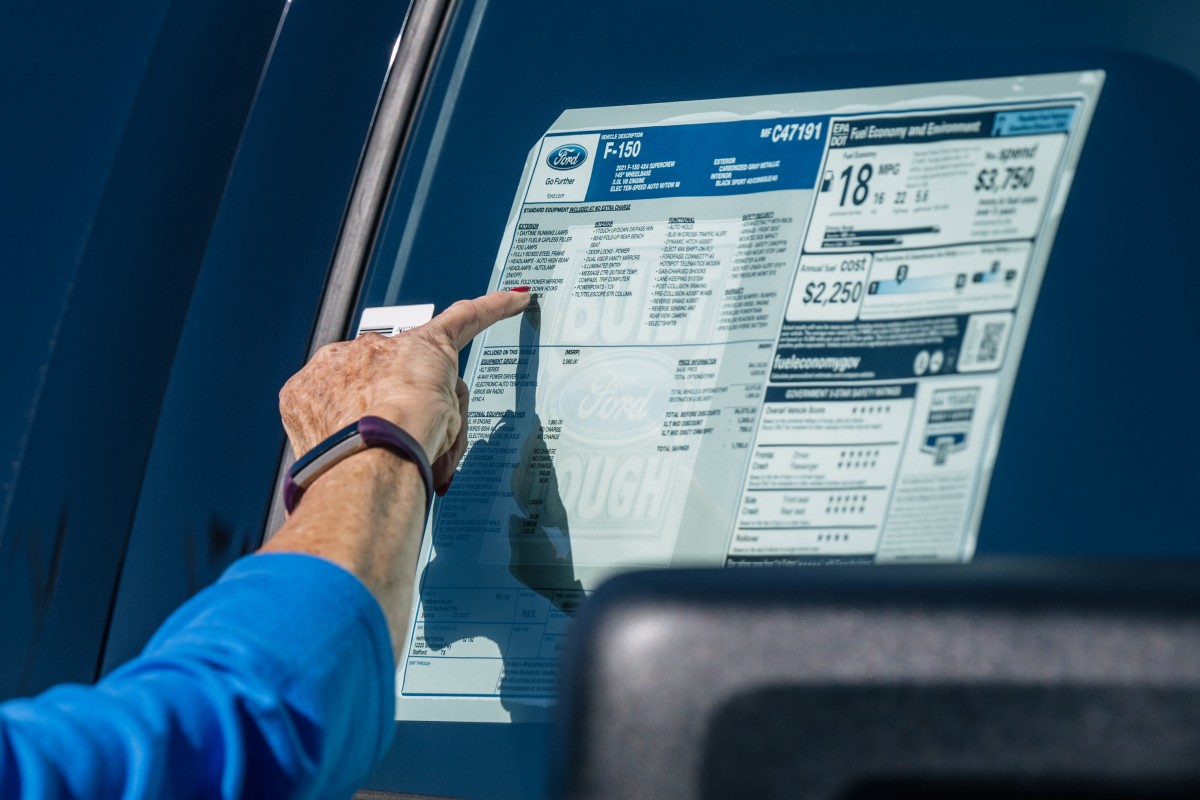
It's tough out there if you're a new car shopper, as even stuff that used to be pretty much irrelevant before, such as destination charges, can inflate the price of your vehicle by several thousand dollars.
From Spare Change to Thousands of Dollars
Brandon Bell/Getty Images
According to a list compiled by Consumer Reports, these non-negotiable vehicle destination charges have increased significantly, with Detroit Three automakers demanding the highest such fees across the U.S. market.
A series of trucks and SUVs from Ford, General Motors and Stellantis took nine of the top 10 most expensive destination charges. The only cars on the list are from Stellantis-owned Alfa Romeo (Giulia, Stelvio and Tonale), and they hold the No. 1 spot with a $3,250 destination charge.
The second highest destination charge is for the Cadillac Escalade and Escalade iQ—$2,895—followed by the Chevy Silverado 1500, Silverado 2500HD/3500HD, Suburban and Tahoe with $2,795. These trucks and SUVs are all heavy vehicles, which should cost more to ship.
But that doesn't explain the big differences in destination fees across automakers. The lowest destination fee $1,150, currently charged by Mercedes-Benz for all its vehicles sold in the United States. Interestingly, the 10 lowest destination fees are charged by foreign automakers.
Why Did Destination Charges Outpace Inflation?

Getty Images
So why the big disparity? First of all, since advertised prices do not typically include destination, some automakers use the destination fee to "hide" the additional costs of the vehicle, Sam Fiorani, vice president of global vehicle forecasting at AutoForecast Solutions LLC, told the Detroit News. By inflating the destination fee, the base price, which is always advertised excluding destination, can look more attractive to