Episode Details
Back to Episodes50 Things You Need To Know About Betrayal Trauma In A Relationship
Description
If you’re experiencing betrayal trauma in a relationship, here’s a list of 50 things you need to know. To discover if you’re emotionally abused, take this free emotional abuse quiz.
This A-Z Betrayal Trauma Glossary is intended to help women learn everything they need to know about betrayal trauma in a relationship: what caused it and what to do next. If you need live support, attend a Betrayal Trauma Recovery Group Session.

Abuse
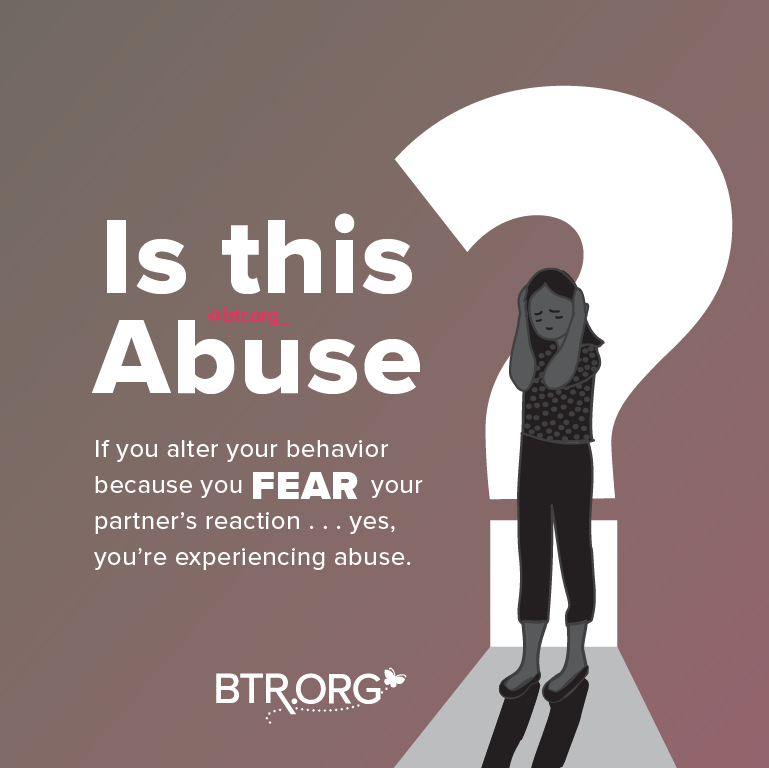
A way of thinking that deems exploitation of another person acceptable. The aim of abuse is control and exploitation. Abuse is not just physical assault. Abusers use tactics that impact emotional, psychological, spiritual, sexual, and financial well-being. The results are devastating and severe to his wife, as well as any children in the home.
Emotional and psychological abuse are devastating with severe consequences to women and children. Women in non-physical abusive relationships are often so manipulated, they don’t even know their husband is emotionally or psychologically abusive. Abusive people don’t lose control. They try to assert control through lies, manipulation, anger, sexual coercion, marital rape, physical intimidation or violence.
Pornography use is emotional and sexual abuse, even if the pornography user identifies himself as an “addict”.
Abuse-by-Proxy (See “Parental Alienation”)
When abusive men continue to terrorize and attempt to control victims using the family court system, by harming the children, and utilizing other unsafe people, this is abuse-by-proxy. It’s good for victims to notify authorities about emotional, psychological, physical, or sexual abuse. To discover if you’re emotionally abused, take this free emotional abuse quiz.
Depending on the state and local system, the way you report may be more effective if you report through the Domestic Violence Shelter in your area or if a doctor or teacher reports in.
In some states, reporting may increase the danger for you, because they don’t take reports of emotional or psychological (or even physical or sexual abuse) seriously. We recommend taking The Betrayal Trauma Recovery Living Free Workshop will help you understand the safe strategies to use when beginning your journey to emotional safety.
Abusers may manipulate others into extending their abuse (abuse-by-proxy) by:
- Claiming “parental alienation”
- Sabotaging shared children’s relationships with therapists, teachers, doctors, etc.
- Refusing to co-parent in a healthy, constructive way
- Inserting themselves into the victim’s perso