Episode Details
Back to Episodes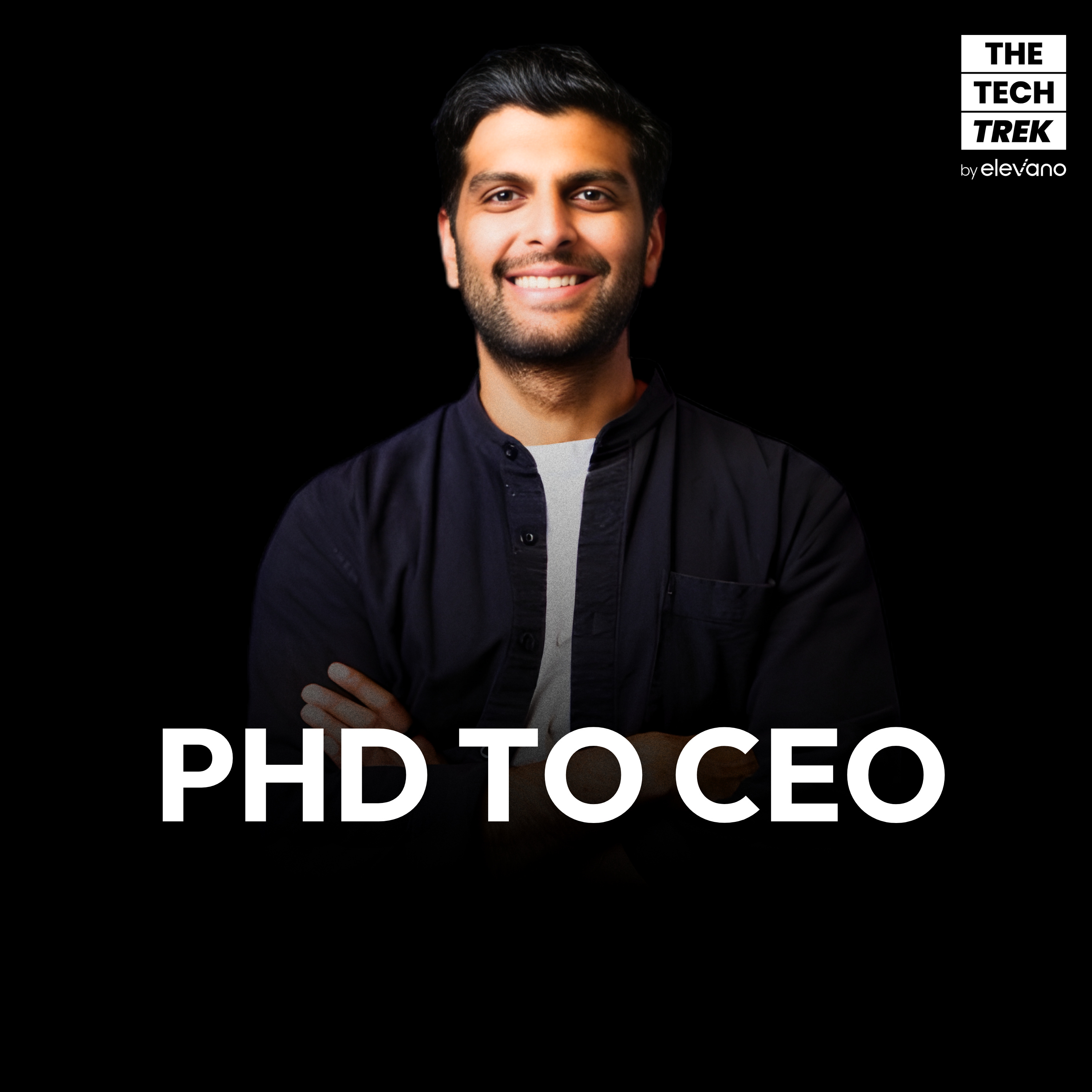
Why Research Scientists Are Taking Over AI Startups
Description
Anish Agarwal went from MIT PhD researcher to founding Traversal, an AI company building intelligent site reliability engineering agents for the enterprise. In this episode, he breaks down what it actually takes to lead an AI first company when your entire career was built inside a lab.
This is not your typical founder story. Anish never planned to start a company. He was on track to be a professor at Columbia when generative AI hit and rewired his trajectory. Now he is two years into the CEO seat, recruiting top talent away from high paying jobs, and building a product at the intersection of causal machine learning and agentic systems.
We get into the mechanics of that transition. How do you go from publishing papers to pitching investors? What does storytelling look like when you are convincing engineers to leave comfortable roles and bet on your vision? And what happens when you start a company without even having an idea?
Anish also tackles a question the AI space is wrestling with right now. Is a PhD becoming table stakes for building an AI first company? His answer is more nuanced than you might expect. It is not the degree. It is the training. Reading the landscape, navigating uncertainty, and evaluating models with scientific rigor. Those skills separate builders from everyone else.
Key Takeaways
The best AI founders are not chasing credentials. They are leveraging research instincts to read where models and architectures are heading, and that foresight creates real competitive edges.
Starting a company without an idea is not reckless if you have the right co founders. Anish and his team showed up to a WeWork every day and treated idea exploration like a research problem until the right opportunity clicked.
Storytelling is the most underrated leadership skill in technical companies. Whether you are recruiting, raising capital, or explaining your product to nontechnical buyers, packaging complexity into a clear narrative is what moves people.
Every decision as a founder is a bet, including the decision to do nothing. Viewing inaction as a strategic choice changes how you prioritize and how fast you move.
As AI writes more code, someone has to make sure it works in production. That gap between code generation and reliability is where Traversal lives, and it is only getting wider.
Timestamped Highlights
(00:36) What Traversal does and why AI powered site reliability engineering is a massive unsolved problem in enterprise software
(02:00) The moment generative AI changed everything and why Anish walked away from a career he loved
(08:43) How Traversal found its problem without starting with an idea, and the co founder dynamic that made it work
(14:29) The real advantage of a PhD in AI and why it has nothing to do with the letters after your name
(19:49) Advice for PhDs entering the job market on how to position research experience so hiring managers actually get it
(20:29) Two years into the CEO role, what Anish wishes he had known and the skills that matter most for early stage founders
Words That Stuck
"If AI is writing your code, it has to fix it too. And right now it is only writing the code."
Founder Playbook
Pick a problem that sustains you for decades. Anish looks for problems that keep getting more complicated because that is where long term value compounds. If the problem has a ceiling, your company does too.
Treat recruiting like a core product skill. Painting a compelling picture of the mission is not a nice to have. It is the engine that pulls exceptional talent away from safe, well paying jobs.
Think of everything as a series of bets. Fundraising, hiring, product decisions, even waiting. Inaction is a bet too. Once you see it that way, you stop overthinking and start moving with intention.
Subscribe to The Tech Trek wherever you listen. If this one hit home, share it with