Episode Details
Back to Episodes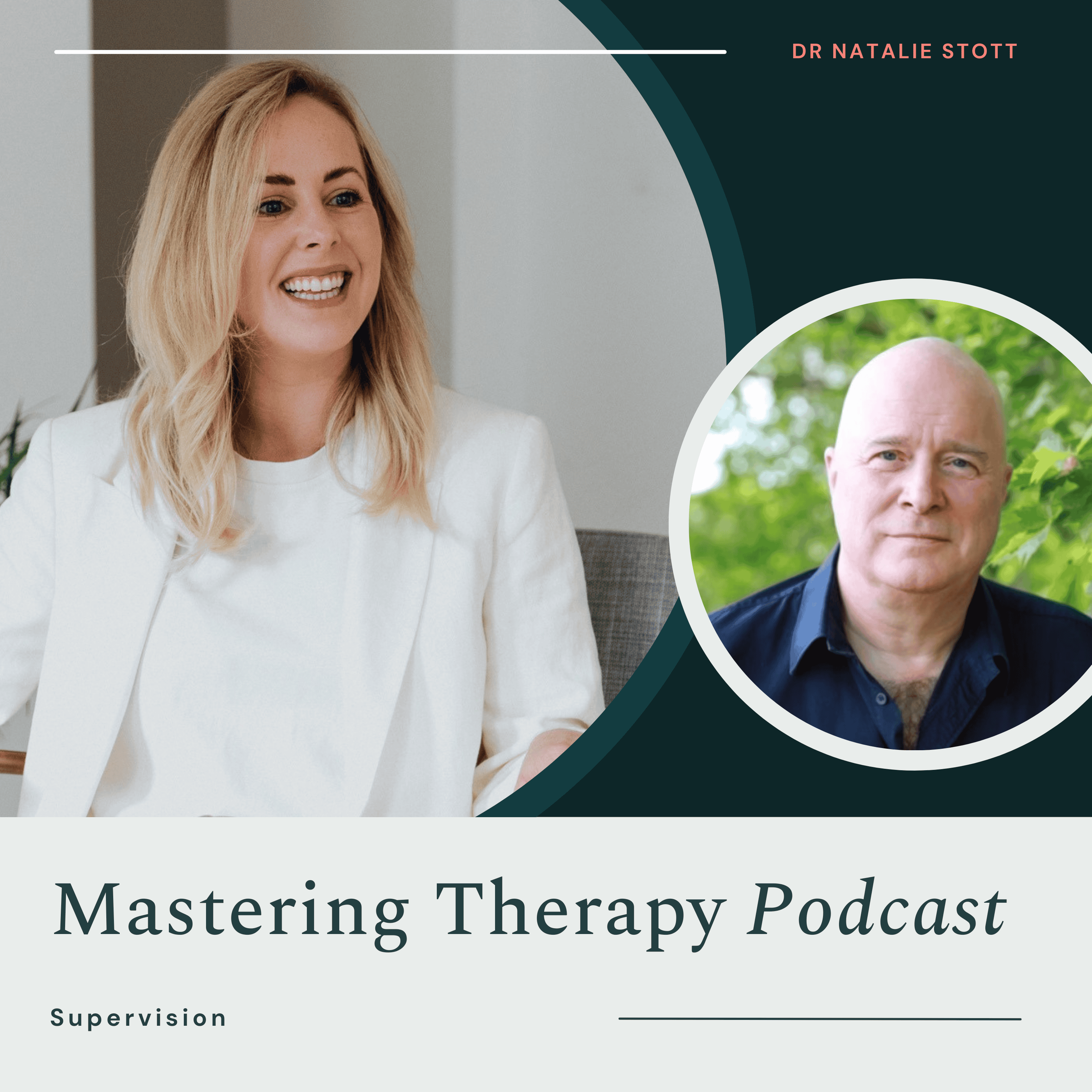
S4E3: Clinical Supervision PART 2: The Bits Nobody Taught You | Dr Paul Grantham
Description
S4E3: Clinical Supervision PART 2: The Bits Nobody Taught You | Dr Paul Grantham
EPISODE SUMMARY
What really makes supervision high quality, and why do most of us avoid thinking about it until there’s a complaint on the horizon? In this episode, Dr. Natalie Stott and Dr Paul Grantham wade into the murky waters of supervision for therapists—shining a light on everything from note-taking and record keeping to supervision of supervision (yes, it’s a thing). Listen in as they pick apart the shoulds, coulds, and musts of being a supervisor, who should keep the notes, what to do when things go off-piste, and how private practice is a whole different kettle of fish. Plenty here for supervisors and supervisees alike, plus a nod to models like Acceptance and Commitment Therapy (ACT) for good measure.
TIMESTAMPS
- 00:00:02 – Why supervision matters (and what nobody tells you)
- 00:01:57 – How to become a supervisor, and does accreditation matter?
- 00:04:10 – Bridging theory and practice: why ongoing support trumps a certificate
- 00:05:42 – Supervision of supervisors: why “peer groups” aren’t just for show
- 00:10:48 – How supervisors can (accidentally) do real harm
- 00:14:58 – Supervision records and notes: who keeps them, who gets to see them, and why it matters
- 00:20:12 – How much experience do you really need before supervising others?
- 00:23:04 – The markers of a genuinely good supervisor
- 00:26:01 – What supervisees should do if their gut says “something’s not right”
- 00:29:45 – Training, resources, and the elusive ‘perfect supervisor’
KEY TAKEAWAYS
• Choose supervision courses that are third-party accredited if you want real quality control—anyone can call themselves a supervisor, but not all courses are equal.
• Peer supervision groups are helpful, but having an external, experienced facilitator can turn “that’s interesting…” into real professional growth.
• Private practice supervisors risk creating echo chambers—seek out challenge, not just comfort.
• Keep supervision records: treat them like client notes, ensure they’re agreed upon by both supervisor and supervisee, and know under what conditions they might be accessed.
• Good contracts should specify who holds the records, when they can be released, and include a process for conflict (consider a “grandparent” supervisor).
• For ethical dilemmas and fitness-to-practice queries, clear note-keeping protects everyone—don’t rely on memory when the court calls.
• Supervision of supervision prevents stagnation and isolation and helps supervisors tackle challenges they missed in training.
GUEST
Dr Paul Grantham
A seasoned psychologist and clinical supervisor who runs one of the few independent, BPS-accredited supervision training courses. Draws on decades of experience with clinical supervision in both organisational and private practice settings.
RESOURCES
• SDS Seminars: info and supervision courses – [LINK]
• David Milne’s book: Evidence-Based Clinical Supervision – [LINK]
CALL TO ACTION
Subscribe to the podcast and join the mailing list for more CPD essentials, supervision tips, and frank discussio