Episode Details
Back to Episodes“Mental Health: Large, Neglected, and More Cost-Effective Than We Think?” by Damin Curtis🔹, Gina Hafez, Mark Rootenberg, Emily Budd, Effective Mental Health
Description
Context: Effective Mental Health is a new group working to improve the field of global mental health along EA principles (and we're running another round of our Global Mental Health Fellowship, see info / apply here!).
Here, we outline the quick & basic case for why field-building work in effective global mental health seems especially cost-effective.
Huge Disease Burden and Neglect
Mental, neurological, and substance-use disorders account for 12% of the global burden of disease when measured in DALYs, yet mental healthcare accounted for just 2.4% of global healthcare spending in 2016. Treatment gaps are massive; most people with mental illness do not receive treatment (only 22% of people with mental illness in high-income countries, and as little as 4% of those in low-income countries, receive treatment).
Cost-Effectiveness
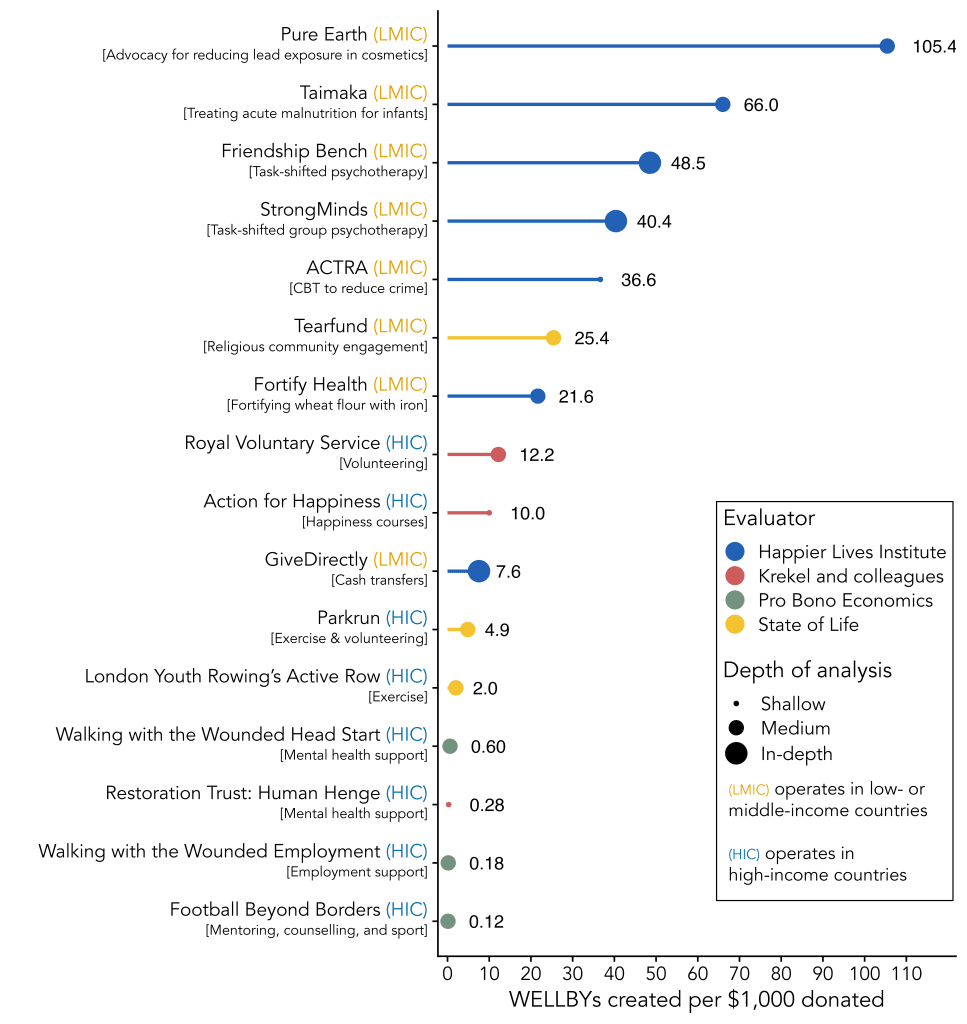
Promising mental health interventions are cost-effective in both low- and high-income countries. The Happier Lives Institute's investigations into intervention cost-effectiveness find that some mental health interventions are over 5x more effective than GiveDirectly's cash transfers:
Many proven, evidence-based interventions already exist, but are bottlenecked by lack of prioritization, funding, and implementation.
We also expect that there will also be important “paradigm shifts” and approaches (e.g. new substance based [...]
---
Outline:
(00:37) Huge Disease Burden and Neglect
(01:08) Cost-Effectiveness
(02:09) New Counterfactual Funding Pools
(02:49) Moral and Epistemic Robustness
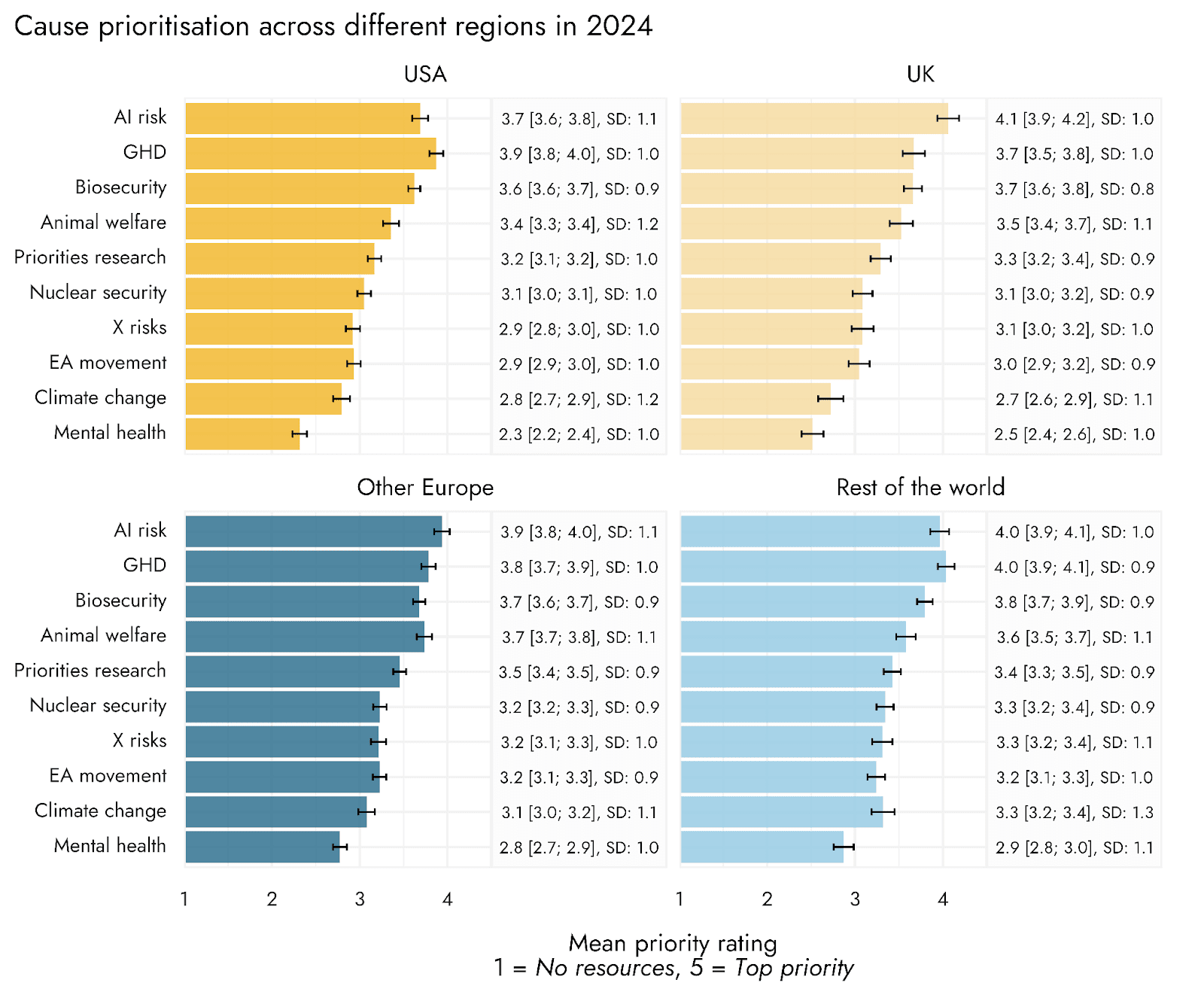
(03:41) Note on EA Community Support for Mental Health as a Cause Area
(04:31) Conclusion
---
First published:
February 22nd, 2026
---
Narrated by TYPE III AUDIO.
---
Images from the article:
Apple Podcasts and Spotify do not show images in the episode description. Try Pocket Casts, or another podcast app.