Episode Details
Back to Episodes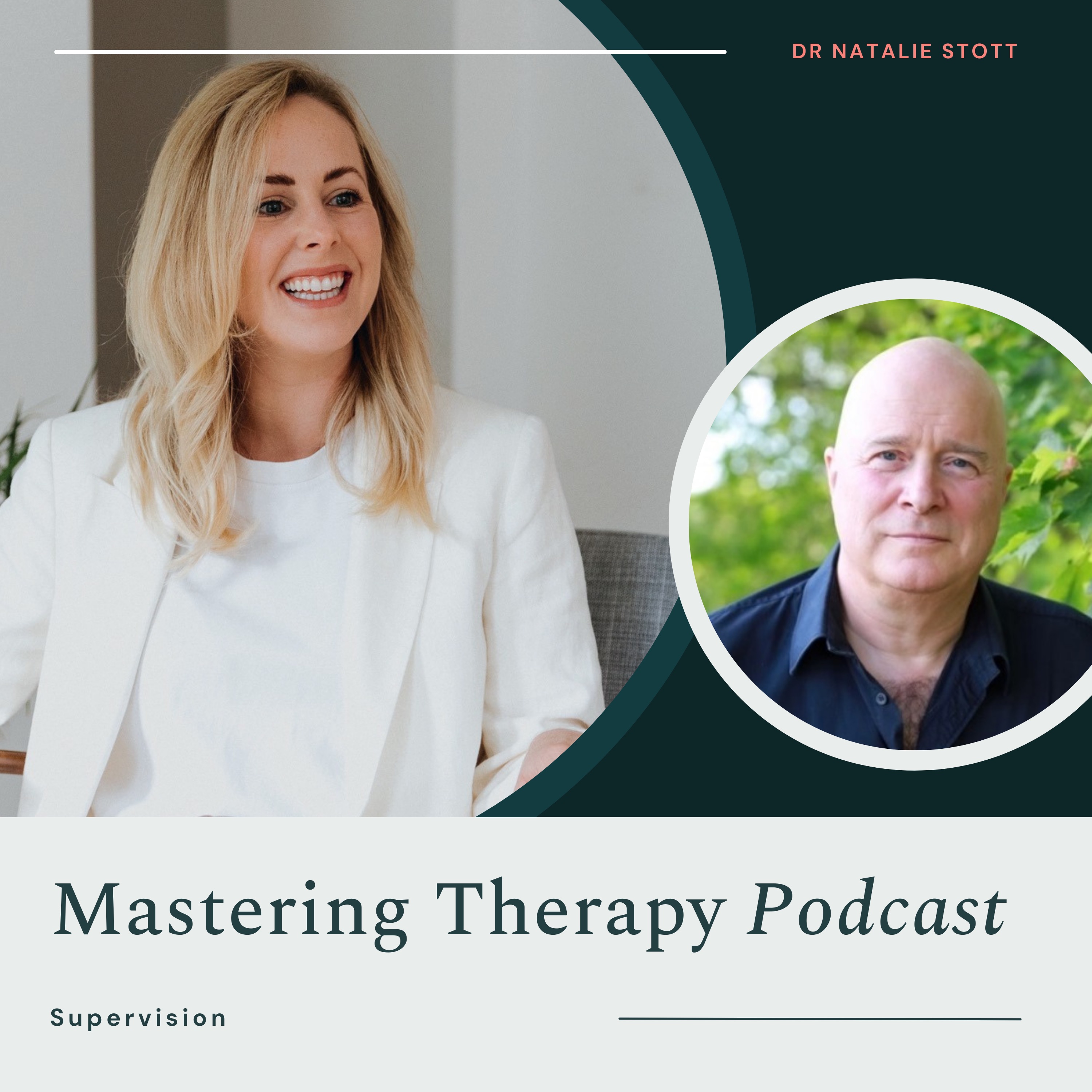
S4E2: What's the point in Clinical Supervision Part 1: Dr Paul Grantham
Description
S4E2: What's the point in Clinical Supervision Part 1: Dr Paul Grantham
Supervision in therapy: necessary evil or vital lifeline? This episode of Mastering Therapy sees Dr. Natalie Stott joined by Dr Paul Grantham, founder of SDS Seminars, to dig into the messy world of supervision standards, expectations, and practicalities. Whether you’re working in private practice or deep in the NHS trenches, clarity matters—especially when every regulatory body seems to follow its own script. From navigating BPS and HCPC requirements to handling complaints (without breaking into a sweat), this is a sharp, practical guide to making supervision work for you. If you’ve ever wondered whether a WhatsApp group counts (spoiler: it doesn’t), or how to get feedback that actually helps, grab your notebook. Acceptance and Commitment Therapy (ACT) may not be centre stage, but process and collaboration are—prepare for useful distinctions and a few uncomfortable truths.
KEY TAKEAWAYS
- HCPC doesn’t require clinical supervision, but don’t get complacent—when complaints arise, absence of supervision looks very bad.
- BPS and BABCP differ wildly: BABCP insists on close supervision and evidence for accreditation, while BPS offers detailed but mostly “advisory” guidance.
- WhatsApp chats and peer chitchat do not count as proper supervision, especially when you need defensible records.
- Contracts in supervision are more than admin—they clarify roles, expectations, and safety, and should be reviewed regularly (not just filed and forgotten).
- Discussing mutual expectations before signing a contract prevents mismatched assumptions and hidden frustrations.
- Supervisors should actively seek feedback, using simple, solution-focused questions (not lengthy forms), to measure usefulness and adjust approaches.
- Power dynamics in supervision are real—addressing time, boundaries, and change needs honest discussion for effective, ethical practice.
GUEST
Dr Paul Grantham
Consultant clinical psychologist and founder of SDS Seminars, known for shaping supervision training across the UK.
Resources mentioned:
- FREE supervision contract
- Supervision Guidance – BABCP
- Supervision guidance for psychologists – page with PDF download
- Guidance for supervisees | The HCPC
- Guidance for supervisors | The HCPC
** Check out Mastering Therapy’s Youtube Channel for all podcast episodes **
For notification on up coming episodes and for occasional summaries of tools discussed on the podcast sign up here: www.masteringtherapy