Episode Details
Back to Episodes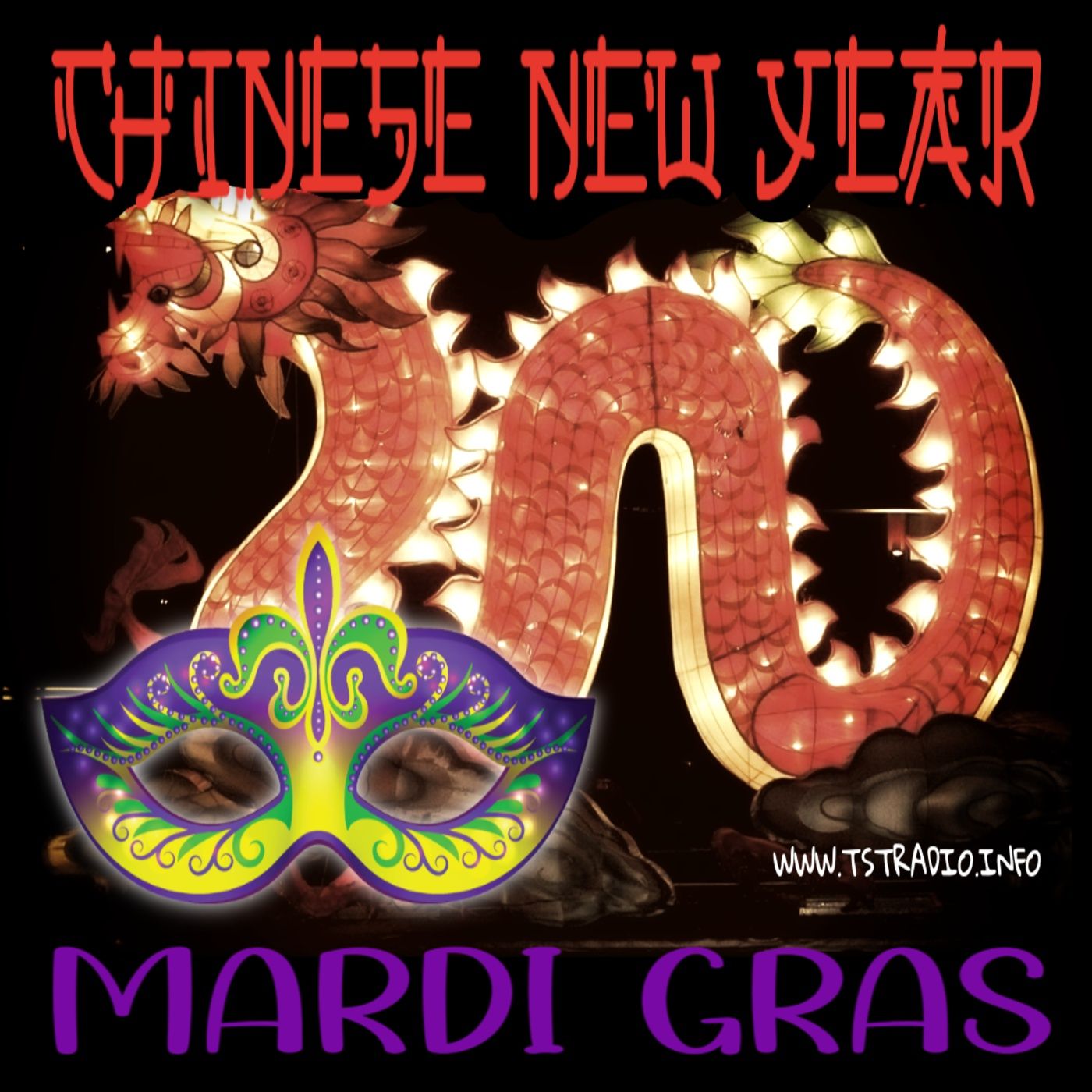
Chinese New Year & Mardi Gras (2/18/26)
Published 2 weeks, 2 days ago
Description
The Chinese New Year is founded on the myth of Nian, a monster who shares its name with the Chinese word for year (nián). Each season, just before spring, the creature would attack villages, killing and consuming both villagers and their livestock. But the people always fought back. They employed loud noises, bright lights and an abundance of items colored red, since these three things frightened the beast most of all.
Since the festival is founded on the lunar calendar, based on cycles of the Moon, its celebration date varies by year. It typically occurs between January 20 and February 20, the former of which is called daikan in Japan, a word describing the dead of winter just before the arrival of spring. This provides us with a clear pathway to understanding what Nian really represents, and that is a monstrous personification of the cold darkness of winter.
The monster attacks just before spring, giving another meaning to the old adage it’s always darkest before the dawn. Nian is terrified of loud noises because it represents the stillness and silence of winter, especially after fresh snowfall; it is freighted by bright illumination because warmth and light are enemies of the cold and dark winter; it is scared of red because this color is emblematic of the sun, warmth, light and, most directly, fire. The monster consumes people and animals because it is an expression of the cyclical death of the earth where plants, animals and humans slow down and enter into a state of dormancy. Its teeth rip apart the flesh just as freezing air drys, cracks, and numbs the skin.
The Chinese New Year festival spans more than two weeks, beginning on the new moon of the lunar calendar and ending on the first full moon. The final day is called Lantern Festival, a celebration promoting peace and welcoming the new cycle with fiery lanterns, lion and dragon dances, and an assortment of fireworks and parades.
It is traditionally customary to avoid showering, cleaning the home, breaking glass or other items, using most cutting tools, or even using negative words, at least on the first day of a new cycle. Showering could wash away potential luck; breaking something could likewise sever a connection to wealth and success, as could using cutting tools; negative words like “poor” or “pain” could bring a loss of wealth and a health.
Mardi Gras is a Christian holiday marking the final day before Lent season begins. It is observed on the eve of Ash Wednesday in most places. Its origins are traced back to older festivals and celebrations recognizing the winter transitioning to spring. Lent is the 40-day period of fasting and penitence observed between Ash Wednesday and Easter Sunday.
*The is the FREE archive, which includes advertisements. If you want an ad-free experience, you can subscribe below underneath the show description.
WEBSITE
FREE ARCHIVE (w. ads)
SUBSCRIPTION ARCHIVE
-
X / TWITTER
FACEBOOK
INSTAGRAM
YOUTUBE
RUMBLE
-
BUY ME A COF
Since the festival is founded on the lunar calendar, based on cycles of the Moon, its celebration date varies by year. It typically occurs between January 20 and February 20, the former of which is called daikan in Japan, a word describing the dead of winter just before the arrival of spring. This provides us with a clear pathway to understanding what Nian really represents, and that is a monstrous personification of the cold darkness of winter.
The monster attacks just before spring, giving another meaning to the old adage it’s always darkest before the dawn. Nian is terrified of loud noises because it represents the stillness and silence of winter, especially after fresh snowfall; it is freighted by bright illumination because warmth and light are enemies of the cold and dark winter; it is scared of red because this color is emblematic of the sun, warmth, light and, most directly, fire. The monster consumes people and animals because it is an expression of the cyclical death of the earth where plants, animals and humans slow down and enter into a state of dormancy. Its teeth rip apart the flesh just as freezing air drys, cracks, and numbs the skin.
The Chinese New Year festival spans more than two weeks, beginning on the new moon of the lunar calendar and ending on the first full moon. The final day is called Lantern Festival, a celebration promoting peace and welcoming the new cycle with fiery lanterns, lion and dragon dances, and an assortment of fireworks and parades.
It is traditionally customary to avoid showering, cleaning the home, breaking glass or other items, using most cutting tools, or even using negative words, at least on the first day of a new cycle. Showering could wash away potential luck; breaking something could likewise sever a connection to wealth and success, as could using cutting tools; negative words like “poor” or “pain” could bring a loss of wealth and a health.
Mardi Gras is a Christian holiday marking the final day before Lent season begins. It is observed on the eve of Ash Wednesday in most places. Its origins are traced back to older festivals and celebrations recognizing the winter transitioning to spring. Lent is the 40-day period of fasting and penitence observed between Ash Wednesday and Easter Sunday.
*The is the FREE archive, which includes advertisements. If you want an ad-free experience, you can subscribe below underneath the show description.
WEBSITE
FREE ARCHIVE (w. ads)
SUBSCRIPTION ARCHIVE
-
X / TWITTER
YOUTUBE
RUMBLE
-
BUY ME A COF