Episode Details
Back to Episodes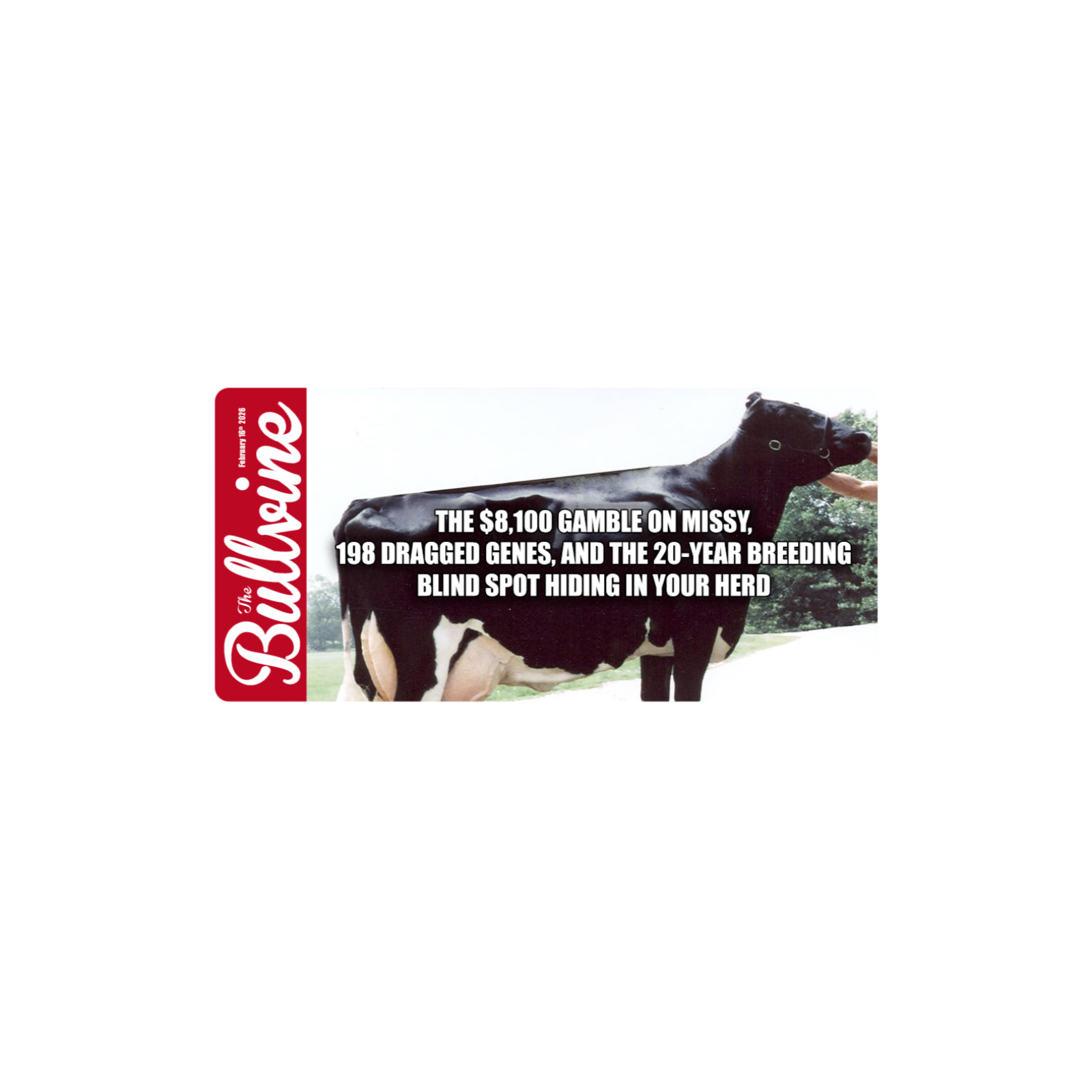
E491 The $8,100 Gamble on Missy, 198 Dragged Genes, and the 20-Year Breeding Blind Spot Hiding in Your Herd
Description
In 2003, Matt Steiner called into a Wisconsin sale barn and bid $8,100 on a cow the room had already written off. Wesswood-HC Rudy Missy EX-92 went on to reshape Holstein genetics for two decades. But the same genomic engine that made Missy a global brood cow was quietly dragging 198 fertility genes and 67 immunity genes in the wrong direction — and nobody caught it for 20 years. This episode unpacks where the same pattern is building right now, what it's costing you per cow, and exactly what to do before your next mating run.
KEY TAKEAWAYS
- How genomic selection doubled genetic gain but simultaneously eroded fertility, immunity, and heat tolerance through genetic hitchhiking — and why no one noticed until billions in damage was done.
- The barn math most producers haven't run: why the $5,070 in extra annual milk revenue from faster genetic gain may be nearly canceled out by $4,800–$6,400 in hidden inbreeding costs on a 200-cow herd.
- Why your cows now start losing production at a THI of 69 instead of 72 — and why better fans and sprinklers may be masking a genetic deterioration that's quietly building your next fertility crash.
- What the December 2025 evaluations revealed: 22 of the top 30 NM$ bulls from a single program, and what that concentration means for the breed's long-term resilience.
- Four specific breeding decisions you can make this month — with the honest trade-offs attached to each one.
This episode goes deeper than the headline numbers. University of Minnesota researchers maintained an unselected Holstein control line alongside the national population from 1964 to 2004 — same barn, same feed, different genetics. The selected cows gained 79% more milk and lost 30 additional days to conception. Genome-level analysis revealed the mechanism: genes for reproduction and immunity sitting near milk-boosting alleles got swept along for the ride. The estrogen receptor gene ESR1 dropped from 0.45 to 0.13 frequency. Nobody selected against fertility. It just happened.
Now consider this: U.S. Holstein inbreeding climbed from 5.7% in 2010 to 15.2% by 2020. CDCB estimates the cumulative cost to the national herd at $6.7 billion. Each 1% of inbreeding costs $23–25 off lifetime Net Merit per cow. And outside Australia, virtually no country selects directly for heat tolerance — even as the genetic threshold for heat stress keeps dropping.
The episode walks through four action paths grounded in real data: confirming you're on the 2025 NM$ revision with its 17.8% feed efficiency emphasis, requesting ROH-based genomic inbreeding from your genetics provider, diversifying sires across multiple AI organizations, and using productive life and livability as indirect heat-tolerance filters. Each comes with a specific trade-off so you can make the call that fits your operation.
This isn't theoretical. It's the question the fertility crash should have taught us to ask in 1985: what am I not measuring that's already costing me money?
The full feature article with all research sources, barn math breakdowns, and the complete action checklist is live at https://www.thebullvine.com/genetics/the-8100-gamble-on-missy-198-dragged-genes-and-the-20-year-breeding-blind-spot-hiding-in-your-herd/. Subscribe to The Bullvine Podcast wherever you listen so you never miss an episode. Share your thoughts and your own herd data with us on Facebook and Instagram — we want to hear what blind spots you're finding in your own breeding program.