Episode Details
Back to Episodes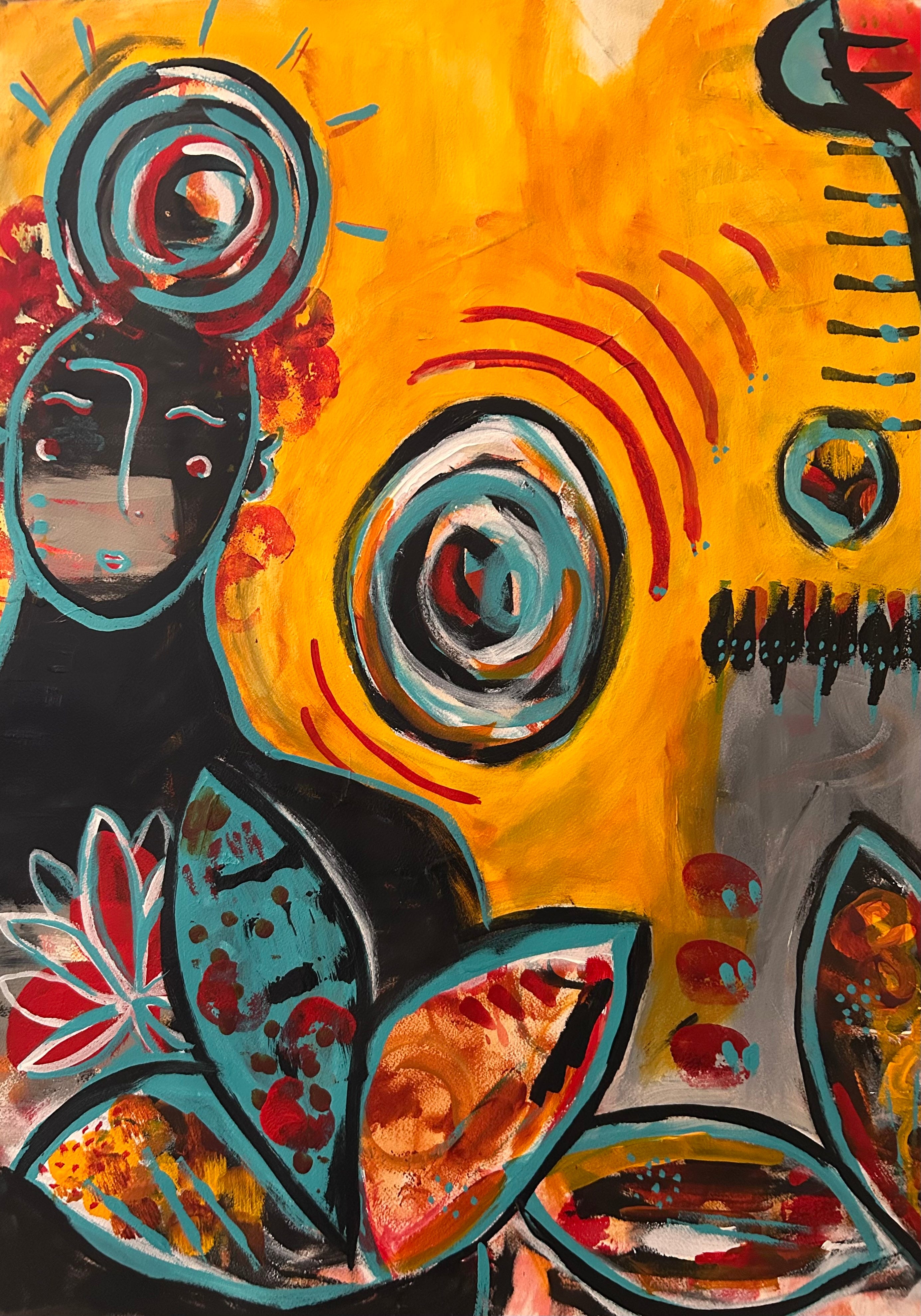
A Lotus Blooming in the Fire
Description
A lotus blooming in the fire is an image that comes from the Zen tradition. And before I write further on the symbolism of the image or the dharma teachings it evokes—I would like to invite us to just sit with the image of a lotus blooming in the fire.
For a moment, let yourself sense, imagine or feel into this image. Notice what you see, feel, hear, experience as you attempt to connect with the image of a lotus blooming in the fire.
Now, if you haven’t already bring the image closer in. Sit as, be a lotus blooming in the fire.
And stay with it for some time allowing associations, feelings, meanings, sensations to come and go. Returning simply to being a lotus in the fire.
When you are ready, you can let the image dissolve.
I am curious to hear what you noticed, what happened as you sat with or as a lotus blooming in the fire?
The Power of Embodied Imagination
To meditate with an image like this, is one form that koan practice can take in the Zen tradition. You sit with an image, becoming the image and learning about it through your direct experience. Notice how an image can contain seeming paradoxes. How can a lotus bloom in fire? Wouldn’t it burn? And yet, here it is.
On Wednesday, in Columbus we did this practice with my local sangha Mud Lotus. We sat as lotuses blooming in the fire. People noticed different things about this dynamic of fire and blooming. Someone pointed out that a lotus isn’t trying to stop the fire, yet it is blooming there. Another said that it seemed like the lotus bloomed because of the fire. Others saw the lotus as a reminder of their own nature that isn’t burned in the fires of life.
This image was popularized by the great Chan teacher of 11th Century China, Yuan-Wu. He used it to refer to the practice of what he called, Householder Bodhisattvas. Those of us whose practice-awakening happens in the fires of this world, in the challenges of our relationships, in our own inner conflicts or difficulties.
How to be a householder bodhisattva, it requires a stand that is solid and true and faith that is thoroughgoing…
When bodhisattvas who live a householder’s life cultivate the practices of deep meditation and insight, it is like a lotus blooming in the fire. It will always be hard to tame the will for fame and rank and power and position, not to mention all the myriad starting points of vexation and turmoil associated with the burning house of worldly existence. The only way is for you yourself to realize your fundamental, real wondrous wholeness and reach the stage of great calm, stability and rest. —Yuan-wu
Thich Nhat Hanh also used this image in his first book published in English, Vietnam: A Lotus in the Sea of Fire: A Buddhist Proposal for Peace.
What are the Fires in your Life?
Fire in the Buddhist tradition can be a symbol of suffering in all its manifestations. From the collective forms of suffering that appear as war, violence, injustice, conflict, misuse of power to the more personal forms of suffering that appear as anxiety, worry, terror, fear, shame, physical discomfort, pain.
Fire can also be a symbol of the instability of all experience, the changing nature of everyone and everything—in Buddhism we call this impermanence.
Suffering and impermanence are two of the marks of existence. A teaching the buddha gave about the nature of experience—basically reminding us that suffering and change are part of life.
In the Buddhist teachings, liberation or freedom from suffering is not the absence of pain, violence, fear, change, anxiety, etc. —but is found in the midst of these fires, or whatever fires we find ourselves in.
A Lotus Blooms in a Sea of Fire
Which brings us to the image of the lotus.
The lotus is a symbol of wholeness, it is an image of our true nature—which is always present, reliable, unbreakable yet soft—the blossoming of wisdom and compassion.