Episode Details
Back to EpisodesRhymes for Those Who Can Neither Read nor Run
Description
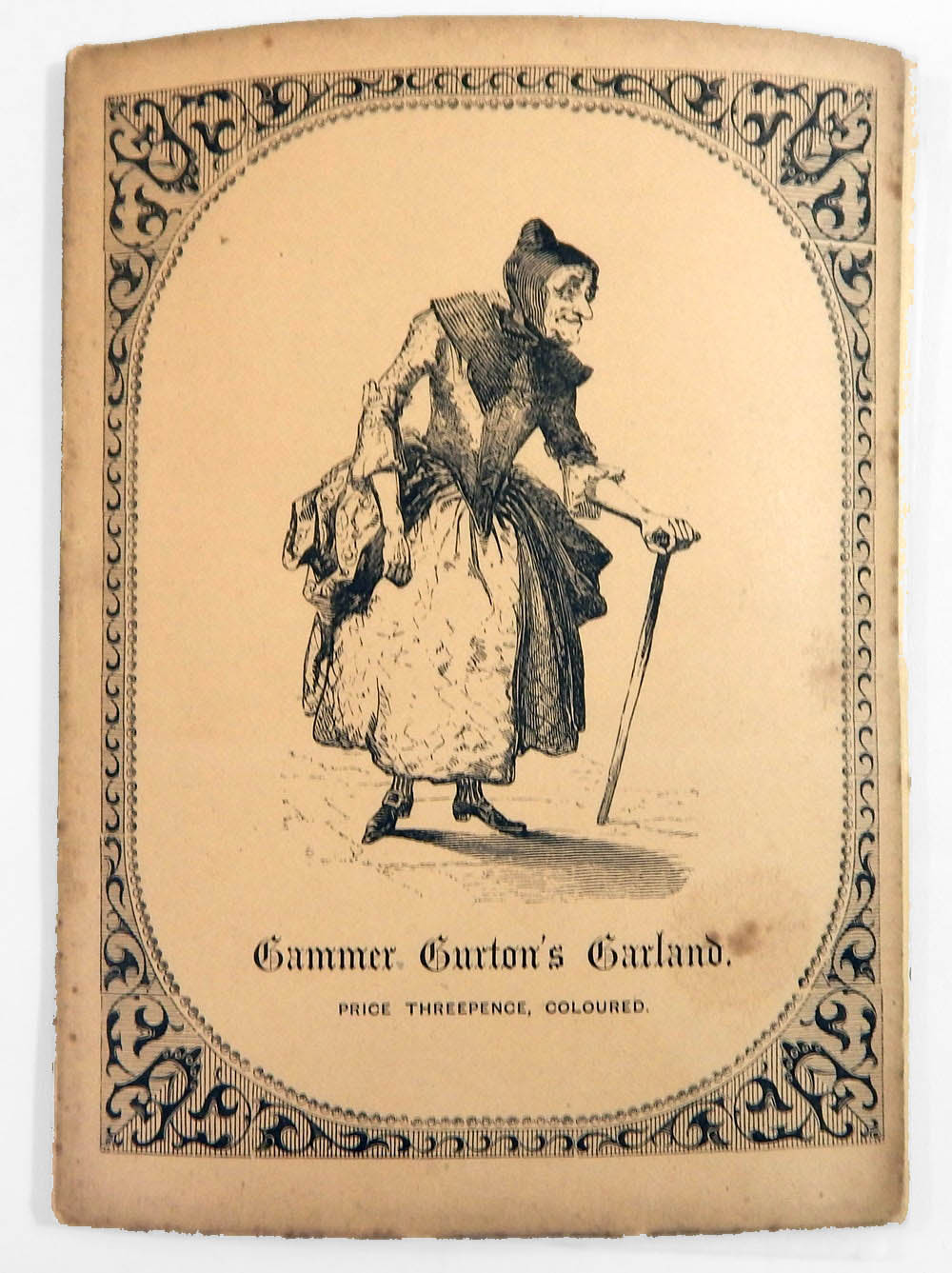
Gammer Gurton’s Garland, published in 1784, is one of the earliest collections of English nursery rhymes, and contains verses both familiar and alarmingly unsettling.
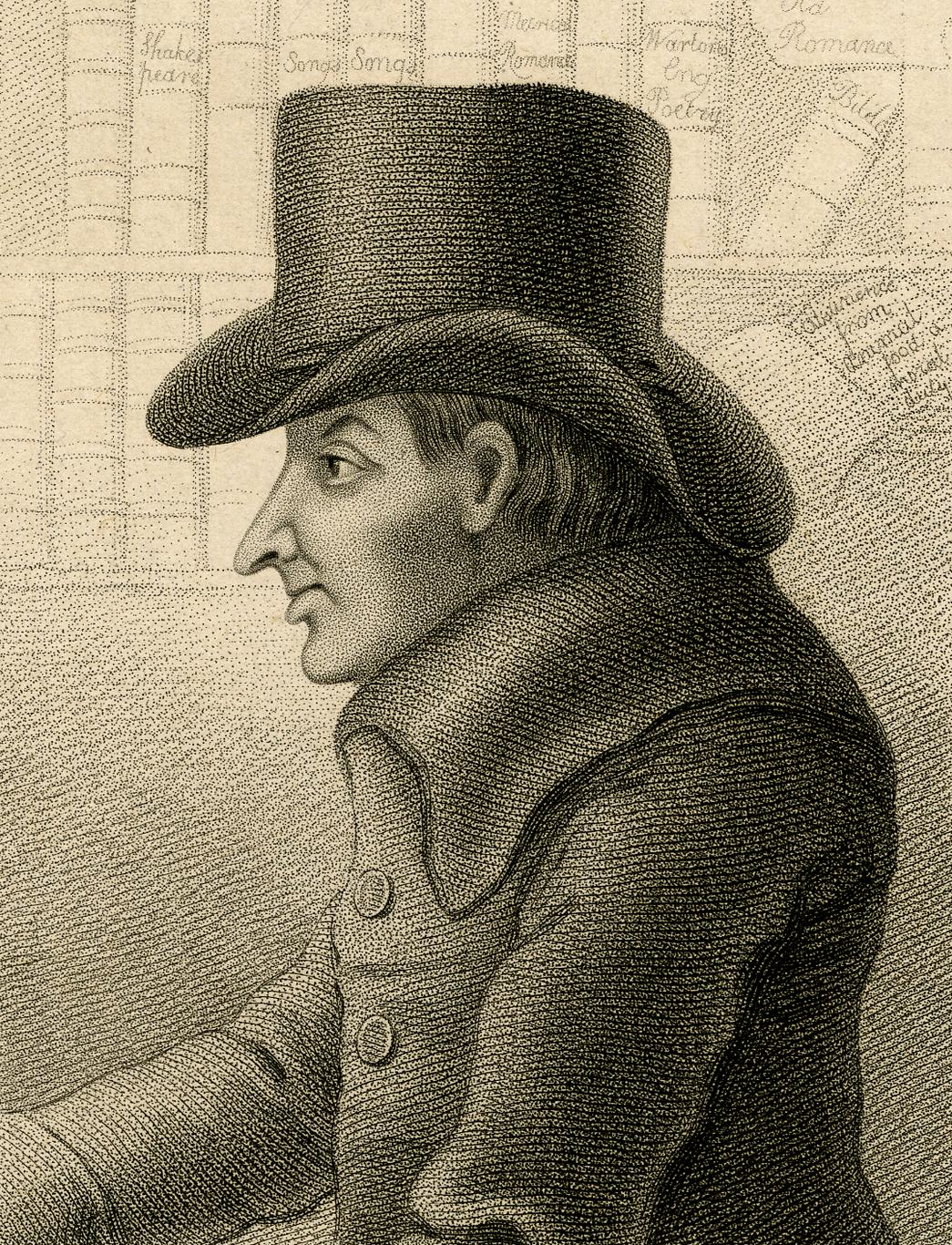
Intended to be read to toddlers (i.e., “children who can neither read nor run,” according to its subtitle) and named after a fictitious Grandma (“Gammer”) Gurton, who’d be analogous to Mother Goose, the volume were assembled by the eccentric scholar Joseph Ritson, who was known for his collecting of Robin Hood ballads, vegetarianism and ultimate descent into madness.
We begin our episode with a snippet of a 1940s’ rendition of “Froggy Went a-Courting” by cowboy singer Tex Ritter. It’s a relatively modern take on Ritson’s “The Frog and the Mouse.” But like quite a few rhymes in the collection, this one had appeared in print earlier. Already in 1611, British composer of rounds and collector of ballads, Thomas Ravenscroft, had written out both lyrics and musical notation for “The Marriage of the Frogge and the Mouse,” a song he described as a folk song or “country pastime.”
While a few other rhymes in Ritson’s collection were borrowed from one of two earlier editions of nursery verses (both published as Tommy Thumb’s Song Book 40 years earlier), most of what he collected appeared for tge first time in Gammer Gurton’s.
We hear a bit about some of the familiar rhymes that premiered in this collection, including Goosey, Goosey Gander, Ride a Cock-Horse to Banbury Cross (with the “rings on her fingers and bells on her toes” lady), Bye, Baby Bunting, and There Was an Old Woman who Lived in a Shoe.” Ritson’s version of the last, however, takes a rather rude and unexpected turn.
Many, if not most, of Ritson’s rhymes seem to have been weeded out of the gentile or sentimental collections we know today. Naturally, we devote attention particularly to these objectionable verses. Included are a handful of aggressively nonsensical rhymes, which could pass for 18th-century Dada and verses notable for their cruelty. The most alarming contain brutal slurs, threats,