Episode Details
Back to Episodes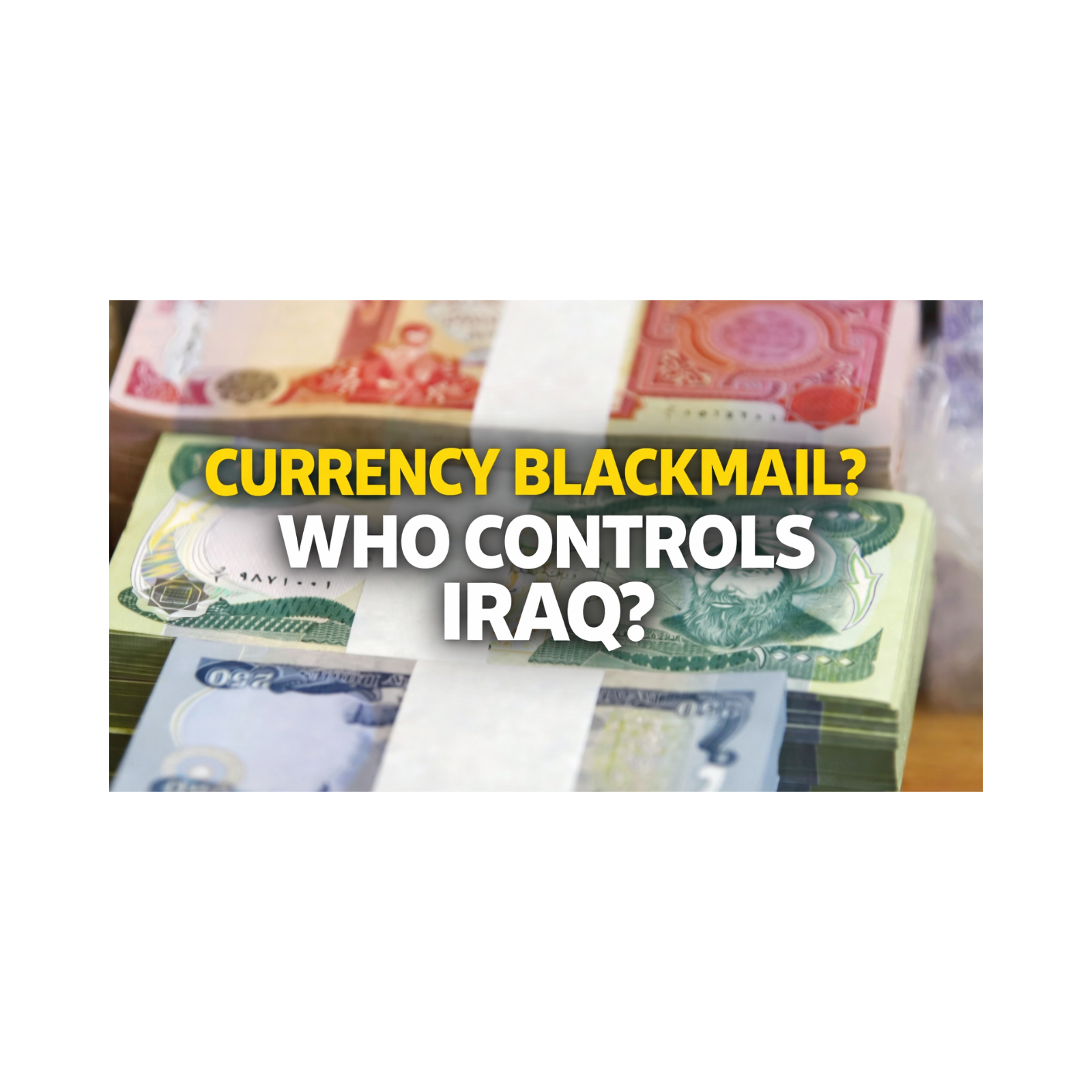
The Iraqi Dinar and the Politics of Monetary Power Who Really Controls Iraq?
Description
The Iraqi dinar is no longer just a currency -it has become a pressure point in a much larger political and economic struggle. Link to My FX Buddies Blog Analysts argue that Iraq’s exchange-rate crisis reflects the deep fragility of a rentier, oil-dependent economy, where the dollar has shifted from a medium of trade into a tool of political influence. What once appeared as routine market volatility is now widely viewed as a reflection of mounting tension between Baghdad and Washington. Economic expert Haitham Al-Anbaki says the situation goes far beyond natural fluctuation. Iraq’s structural reliance on oil revenues, he argues, has left the country exposed to financial leverage — turning the economy into an open arena for pressure and conditional access to liquidity.
If you'd like to Support the channel: https://cash.app/$tishwash.... https://paypal.me/tishwash.... Any tightening of U.S. Treasury procedures or political signals from Washington now reverberates instantly through Iraqi markets — impacting exchange rates, food prices, inflation, and public confidence. According to the Ministry of Planning, inflation rose by 6%, a cost analysts describe as a “sovereignty tax” paid by citizens amid the struggle over dollar flows. By January 2026, the gap between the official exchange rate and the parallel market reached 15%, a level economists describe as a financial “thermometer” measuring the state of Iraq’s relationship with the U.S. financial system. Restrictions on transfers are increasingly viewed not as technical safeguards, but as a financial veto shaping liquidity, trade, and political timing. Politically, MP Ahmed Al-Sharmani argues that Washington has shifted from direct military intervention to soft financial intervention, using economic pressure to influence sovereign decisions — including government formation and foreign policy alignment. At the heart of the crisis lies a paradox: Iraq owns its money, but does not fully control it. With oil revenues deposited in accounts linked to New York, the country faces two difficult paths — continued monetary dependency, or the long and complex task of redefining its financial relationship with the world and building buffers that protect economic sovereignty. 📌 Is the dollar now a geopolitical signal? 📌 Is financial independence possible without isolation?