Episode Details
Back to Episodes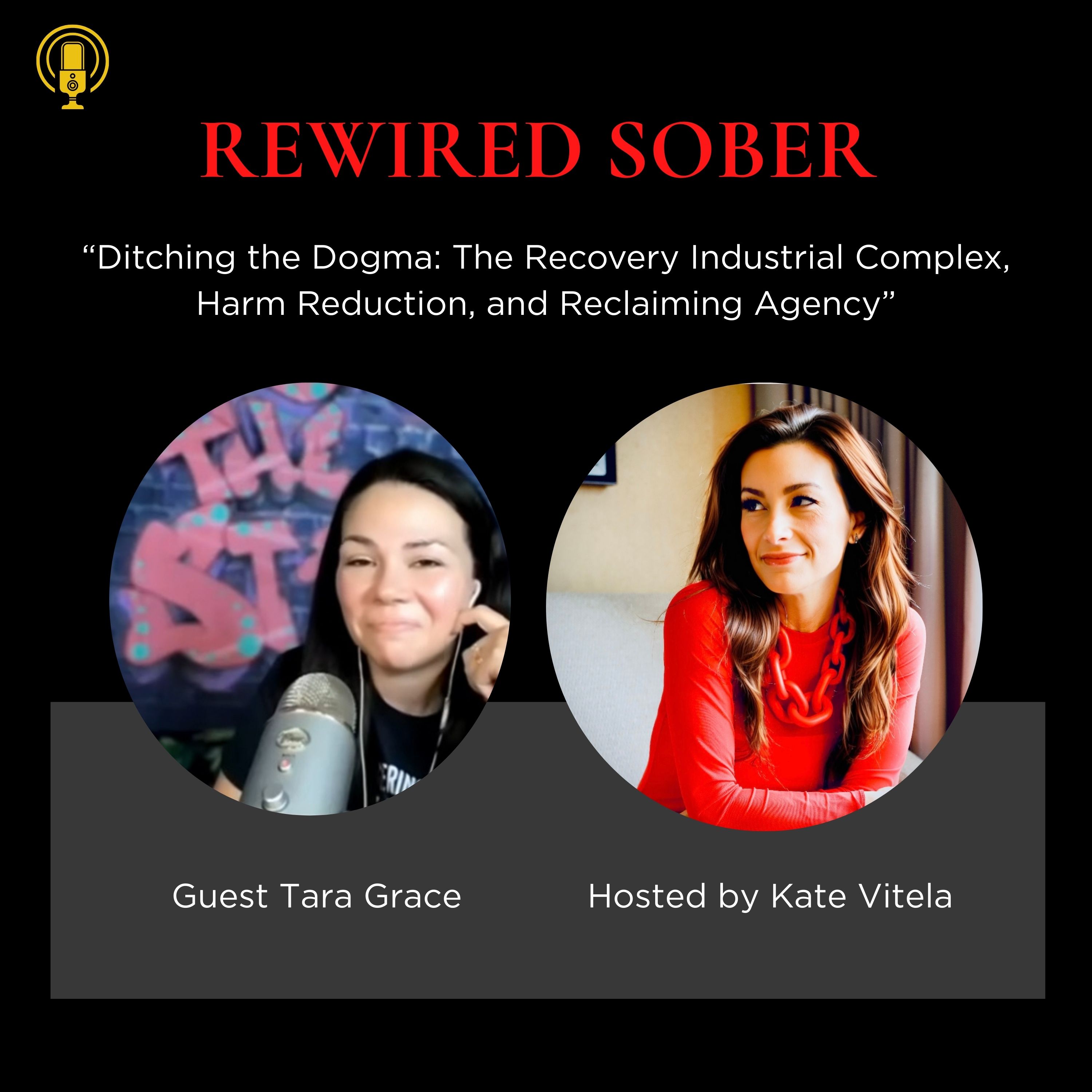
EP 58: Ditching the Dogma: The Recovery Industrial Complex, Harm Reduction, and Reclaiming Agency with Tara Grace
Description
What happens when the very system that’s supposed to support healing starts to feel controlling, fear-based, or limiting?
In this powerful conversation, I’m joined by Tara Grace the host of the Recovery Rebellion podcast, who openly identifies as a “12-step dogma survivor” and advocates for a more nuanced, compassionate, and person-centered approach to recovery.
We explore the darker side of the recovery world that many people are afraid to name out loud — including rigid ideology, shame-based messaging, and the ways people are often discouraged from trusting their own intuition.
This episode is not about tearing down what helps people. It’s about expanding the conversation to include the many people who felt harmed, silenced, or dismissed within traditional recovery systems.
In this episode, we discuss:
- The recovery industrial complex and how “heads in the beds” can sometimes matter more than individualized care
- What people mean when they talk about surviving 12-step dogma
- How rigid recovery models can become authoritarian, condescending, and psychologically unsafe
- The problem with fear-based messaging like “you’ll die if you leave”
- How the disease model of addiction can be both helpful and limiting — and why it doesn’t tell the whole story
- Why many people experience real healing through natural recovery (without formal programs)
- The difference between support vs. control, accountability vs. compliance
- Why harm reduction is often misunderstood — and who it actually serves
- The emotional impact of being told your thinking is defective, your intuition is dangerous, or your questioning is “denial”
- How recovery can (and should) support self-trust, autonomy, and nervous system safety
- Why leaving AA or structured recovery spaces does not equal failure
- What compassionate, flexible, modern recovery could look like instead
This episode is for you if:
- You’ve ever felt shamed, silenced, or patronized in recovery spaces
- You’ve been told you were “in denial” simply for asking questions
- You were warned you would die if you left AA and felt terrified but also constrained
- You’re sober curious and hesitant to engage with traditional programs
- You believe healing should feel empowering, not diminishing
- You want a more expansive conversation about addiction recovery, neuroscience, agency, and choice
This is