Episode Details
Back to Episodes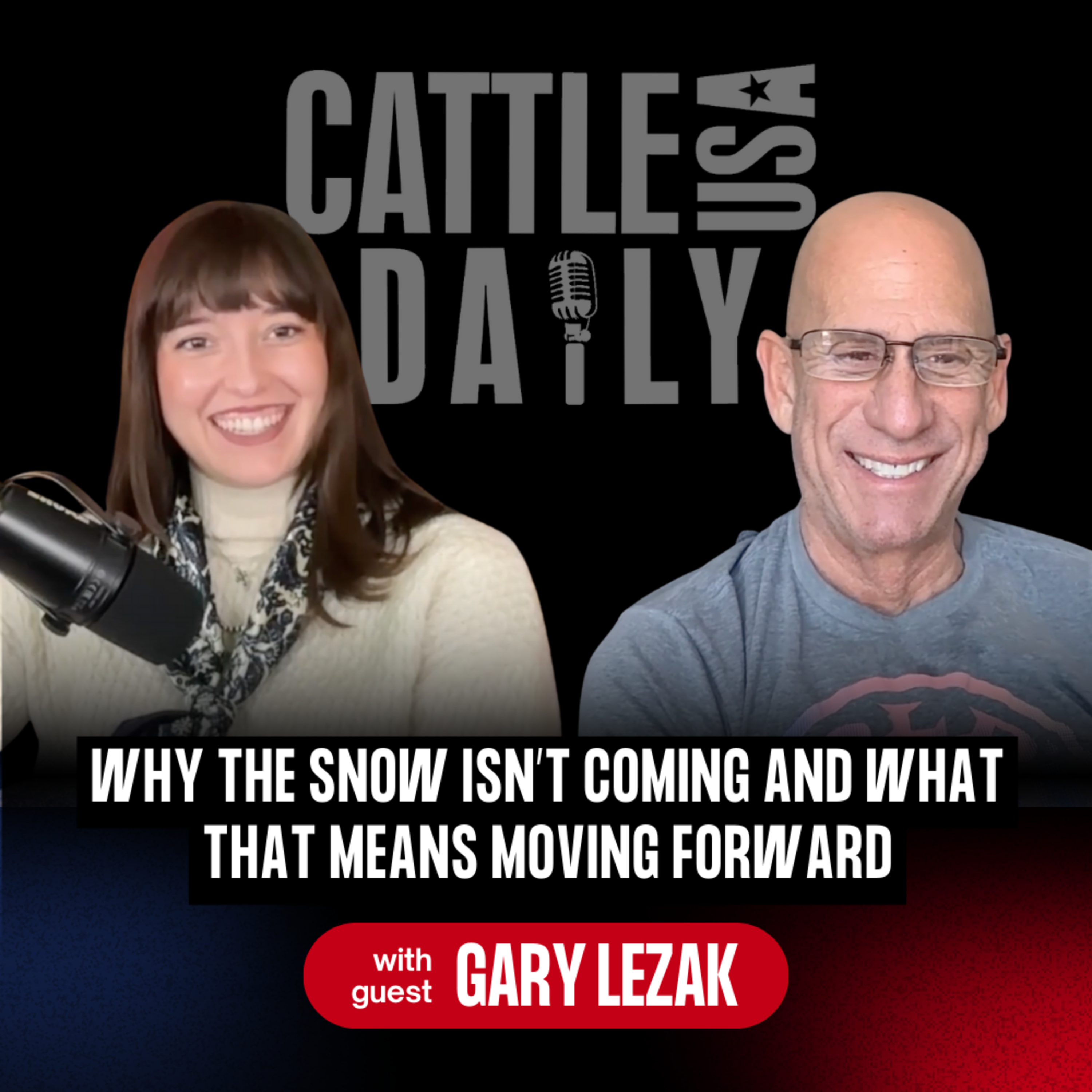
250: Why the Snow Isn’t Coming and What That Means Moving Forward with Gary Lezak
Description
Lauren sits down with Gary Lezak for a winter weather check-in as Colorado experiences one of the most extreme snow droughts on record. They break down what’s happening in the atmosphere right now, why storm systems keep missing key regions, and how the recurring weather pattern helps identify risk windows months in advance. From winter storm threats in Texas to early signals for drought and summer heat, this episode focuses on how producers can think ahead instead of reacting late.
Links
Weather 20/20 Dashboard Discount - https://www.weather2020.com/partner/cattle-usa
Substack - https://weather2020.substack.com/
The Global Predictor App - https://www.weather2020.com/global-predictor-mobile-app
Youtube -https://www.youtube.com/@Weather2020
Follow Gary on X - https://x.com/glezak
CattleUSA Insurance - https://info.cattleusainsurance.com/l/1102253/2025-06-04/288f5m
CattleUSA Website - https://www.cattleusa.com/
Facebook - https://www.facebook.com/cattleusamedia
Instagram - https://www.instagram.com/cattleusa.media/
Subscribe to our newsletter - https://www.cattleusadrive.com/
CattleUSA Media - https://www.cattleusamedia.com/
Lauren’s Instagram - https://www.instagram.com/_laurenmoylan/
Lauren’s Youtube - https://www.youtube.com/@Showboatmediaco
The Next Generation Podcast Website - https://www.thenextgenag.com/
Takeaways
• Colorado is experiencing its lowest snow year on record, with major implications for fire risk, water supply, and reservoirs.
• The recurring weather pattern explains why storm systems keep weakening as they move through the Rockies.
• Risk windows matter more than exact forecasts. They help identify when disruption is most likely, not just if it will happen.
• Texas sits in a higher-risk zone for winter weather impacts this week, while Kansas and Missouri are on the edge.
• The broader weather pattern is not expected to suddenly change, even as La Niña trends toward neutral.
• California has a higher-confidence storm risk window later in the winter, particularly in early March.
• Early summer heat signals are already showing up in the pattern, with potential impacts during key crop development periods.
• February and March will be critical months to determine whether drought areas expand or stabilize heading into planting season.
Chapters
00:00 Colorado snow update and setting the stage
01:50 Snow drought impacts beyond ski season
03:30 What the LRC is and how risk windows work
05:20 Winter storm risk and regional impacts
07:10 Why storms keep missing Colorado
08:40 Looking ahead to spring and summer signals
10:45 Drought watch and what to monitor next
12:30 Final thoughts on planning ahead with weather data
weather risk windows, snow drought, Colorado weather, LRC weather pattern, winter storm outlook, drought monitoring, summer heat risk, long-range weather forecasting, agricultural weather planning