Episode Details
Back to Episodes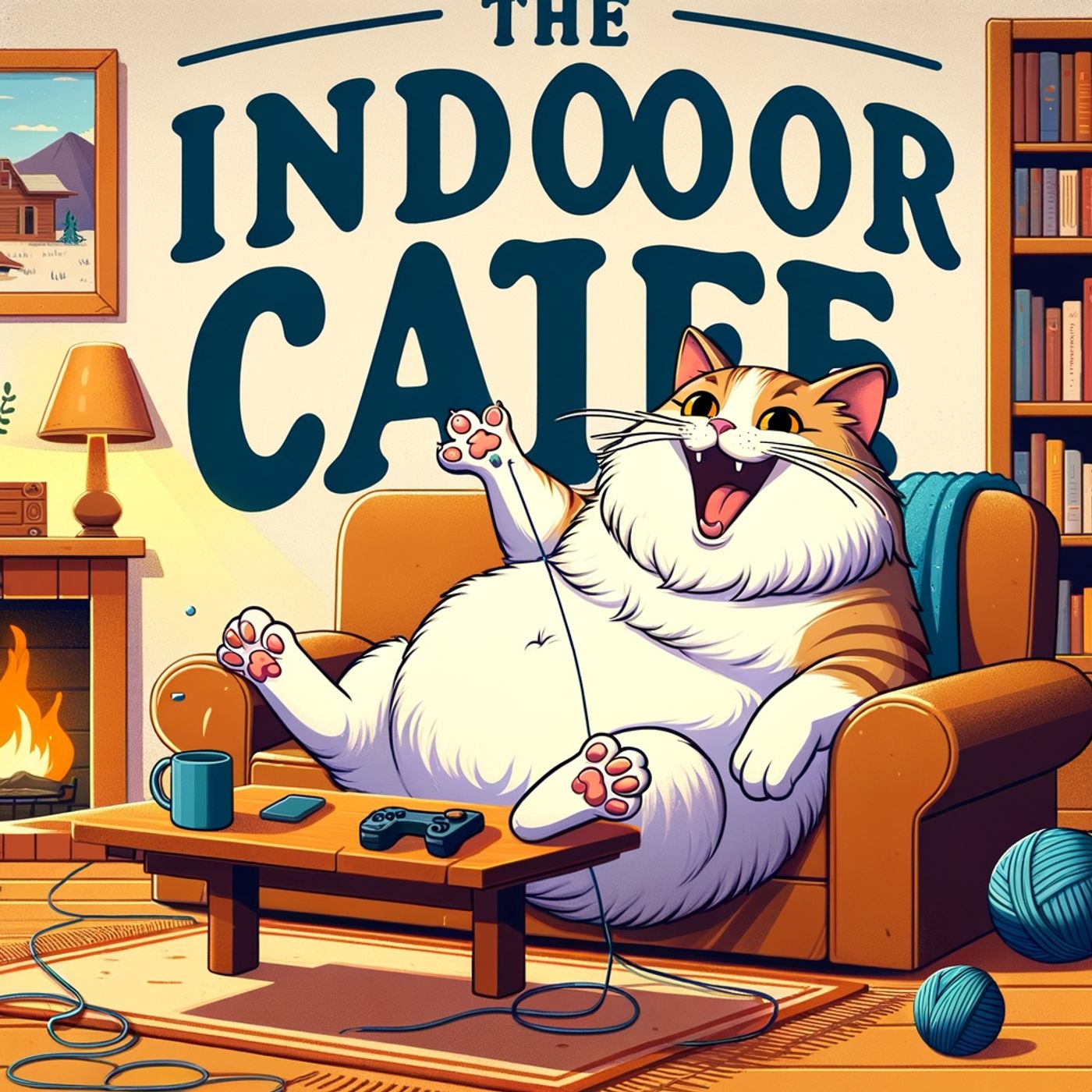
Designing the Perfect Indoor Cat Haven: Enrichment, Comfort, and Feline Fulfillment
Published 1 month, 1 week ago
Description
Imagine lounging by a sunbeam, batting at shadows, and claiming every windowsill as your throne. That's the indoor cat life, a cozy world of endless naps and playful antics, but one that demands clever enrichment to keep your feline thriving.
Cats crave their natural instincts like stalking prey, climbing heights, and scratching surfaces, even within four walls. The Blue Cross warns that without outlets for these behaviors, indoor cats risk boredom, obesity, and stress, leading to issues like furniture destruction or litter box avoidance. Yet, with the right setup, their home becomes a paradise. Picture fishing rod toys for pouncing practice or cardboard castles stuffed with treats, as suggested by the Ohio State University's Indoor Pet Initiative. High shelves and radiator beds offer prime perches for watching birds flit by, mimicking wild overlooks while providing safe rest spots.
These kitties nap up to 18 hours a day, curling into boxes or atop warm laptops for security, behaviors rooted in their ancestors' predator-dodging ways, according to ASPCA Pet Insurance and Wikipedia. You'll catch them head-bunting for affection, chattering at windows at imaginary prey, or zooming through rooms in bursts of kitten-like energy. Multi-cat homes need extra space to avoid territorial spats, with quiet zones preventing spraying or aggression.
To banish boredom, rotate toys, hide kibble in puzzles for hunting games, and keep litter trays spotless in serene corners. The RSPCA and VCA Hospitals emphasize daily play and elevated hideouts to combat anxiety from limited territory. Watch for signs like overgrooming or hiding, which signal unmet needs—consult a vet if they arise.
Enrich their world, and your indoor cat won't just survive; they'll rule it with purrs and playful grace.
Thanks for tuning in, listeners—subscribe for more pet wisdom. This has been a Quiet Please production, for more check out quietplease.ai.
For more http://www.quietplease.ai
Get the best deals https://amzn.to/3ODvOta
This content was created in partnership and with the help of Artificial Intelligence AI
Cats crave their natural instincts like stalking prey, climbing heights, and scratching surfaces, even within four walls. The Blue Cross warns that without outlets for these behaviors, indoor cats risk boredom, obesity, and stress, leading to issues like furniture destruction or litter box avoidance. Yet, with the right setup, their home becomes a paradise. Picture fishing rod toys for pouncing practice or cardboard castles stuffed with treats, as suggested by the Ohio State University's Indoor Pet Initiative. High shelves and radiator beds offer prime perches for watching birds flit by, mimicking wild overlooks while providing safe rest spots.
These kitties nap up to 18 hours a day, curling into boxes or atop warm laptops for security, behaviors rooted in their ancestors' predator-dodging ways, according to ASPCA Pet Insurance and Wikipedia. You'll catch them head-bunting for affection, chattering at windows at imaginary prey, or zooming through rooms in bursts of kitten-like energy. Multi-cat homes need extra space to avoid territorial spats, with quiet zones preventing spraying or aggression.
To banish boredom, rotate toys, hide kibble in puzzles for hunting games, and keep litter trays spotless in serene corners. The RSPCA and VCA Hospitals emphasize daily play and elevated hideouts to combat anxiety from limited territory. Watch for signs like overgrooming or hiding, which signal unmet needs—consult a vet if they arise.
Enrich their world, and your indoor cat won't just survive; they'll rule it with purrs and playful grace.
Thanks for tuning in, listeners—subscribe for more pet wisdom. This has been a Quiet Please production, for more check out quietplease.ai.
For more http://www.quietplease.ai
Get the best deals https://amzn.to/3ODvOta
This content was created in partnership and with the help of Artificial Intelligence AI