Episode Details
Back to Episodes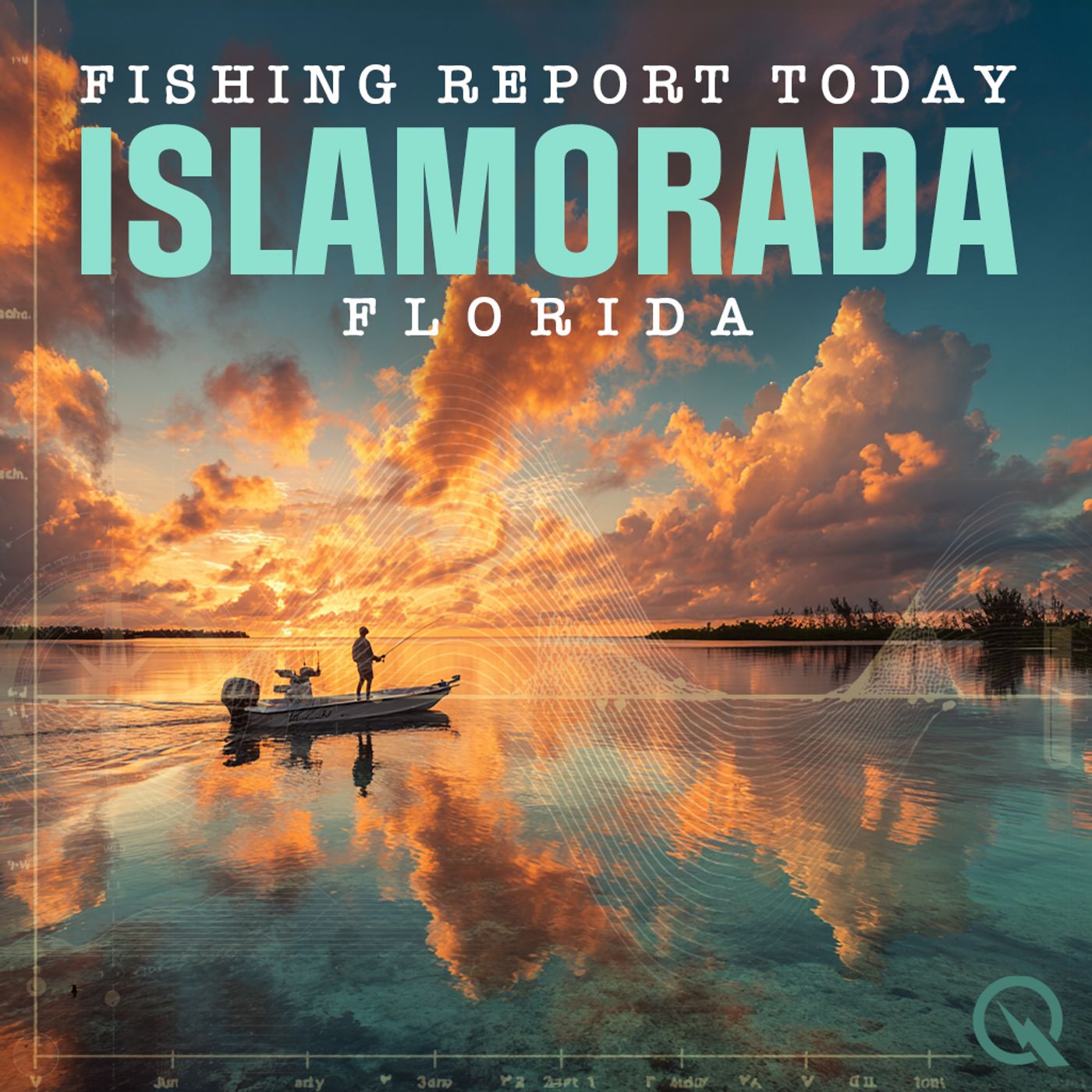
Islamorada Fishing Report: Sailfish, Tuna, and Snook Abound in the Winter Keys
Published 3 months, 2 weeks ago
Description
This is Artificial Lure with your Islamorada fishing report.
We woke up to classic winter Keys conditions: cool, dry northeast breeze around 10 knots, seas 1–2 feet offshore, and barely a riffle in the backcountry, about as good as it gets for January sailfish, reef action, and skinny‑water sight fishing, according to the local marine forecast for the South Florida/Keys region. Sunrise is right around 7:10 AM with sunset near 5:50 PM, giving you a nice long, low‑angle light window for spotting fish on the flats.
NOAA tide predictions for the Islamorada/Upper Matecumbe area show a predawn high sliding into a late‑morning falling tide, then a modest afternoon flood. That dropping water mid‑morning is the money tide: it pulls bait off the flats and sets up current on the edges, bridges, and oceanside humps. Plan your best effort around the first half of that fall and the start of the afternoon push.
Offshore, charter skippers out of Islamorada the last couple days have been reporting steady **sailfish** along the edge with **mahi**, **blackfin tuna**, and a few **wahoo** in the mix, typical for early January in South Florida. Most sails and tunas are coming on live ballyhoo and pilchards slow‑trolled or drifted on light wire or fluorocarbon leaders; mix in a couple small skirted ballyhoo or naked baits for wahoo and mahi. If you’re an artificial junkie like me, pack small blue‑and‑white or pink feather jigs, sea witches over ballyhoo, and diving plugs in purple/black for that first light troll.
On the reefs and patch reefs, expect good numbers of **yellowtail snapper**, **muttons**, **mangroves**, plus a few **grouper** on the deeper edges. A light chum slick over 40–80 feet with small chunks of ballyhoo or cut squid will keep the tails stacked. Best baits: silversides, small cut baits, and live shrimp on 1/16–1/8 oz jigheads with 15–20 lb fluoro. For lures, go with 1–2 oz bucktails tipped with bait, and small metal jigs dropped to the bottom and jigged back through the column.
Inshore and backcountry, local guides have been putting clients on **snook**, **redfish**, **sea trout**, and a few **juvenile tarpon** despite the cooler water. Shrimp is king right now: free‑lined, under a popping cork, or on a quarter‑ounce jig worked along mangrove edges and potholes. For artificials, think subtle and natural: 3–4 inch paddletails in pearl, new penny, or root beer, and suspending twitchbaits in gold/black or pilchard colors. Early and late, a walk‑the‑dog topwater can still pull snook and trout on the warmer flats.
A couple of local hot spots to circle on your map:
- **Alligator Reef & surrounding patches**: Great for yellowtail, muttons, and the occasional mahi sliding in tight on that falling tide. Anchor uptide, get the chum flowing, and downsize your leaders.
- **Channel 2 and Channel 5 Bridges**: Classic winter spots for mackerel, snapper, and a shot at tarpon or snook. Fish the up‑current pilings with live shrimp or pilchards on jigheads; toss flashy spoons and small plugs for Spanish macks when the tide’s ripping.
Water’s clear, bait’s around, and the bite’s been consistent. Keep your leaders light, your presentations natural, and work those tide changes and you’ll come back to the dock with sore arms and a happy cooler.
Thanks for tuning in, and don’t forget to subscribe so you never miss a Keys report.
This has been a quiet please production, for more check out quiet please dot ai.
Great deals on fishing gear https://amzn.to/44gt1Pn
This content was created in partnership and with the help of Artificial Intelligence AI
We woke up to classic winter Keys conditions: cool, dry northeast breeze around 10 knots, seas 1–2 feet offshore, and barely a riffle in the backcountry, about as good as it gets for January sailfish, reef action, and skinny‑water sight fishing, according to the local marine forecast for the South Florida/Keys region. Sunrise is right around 7:10 AM with sunset near 5:50 PM, giving you a nice long, low‑angle light window for spotting fish on the flats.
NOAA tide predictions for the Islamorada/Upper Matecumbe area show a predawn high sliding into a late‑morning falling tide, then a modest afternoon flood. That dropping water mid‑morning is the money tide: it pulls bait off the flats and sets up current on the edges, bridges, and oceanside humps. Plan your best effort around the first half of that fall and the start of the afternoon push.
Offshore, charter skippers out of Islamorada the last couple days have been reporting steady **sailfish** along the edge with **mahi**, **blackfin tuna**, and a few **wahoo** in the mix, typical for early January in South Florida. Most sails and tunas are coming on live ballyhoo and pilchards slow‑trolled or drifted on light wire or fluorocarbon leaders; mix in a couple small skirted ballyhoo or naked baits for wahoo and mahi. If you’re an artificial junkie like me, pack small blue‑and‑white or pink feather jigs, sea witches over ballyhoo, and diving plugs in purple/black for that first light troll.
On the reefs and patch reefs, expect good numbers of **yellowtail snapper**, **muttons**, **mangroves**, plus a few **grouper** on the deeper edges. A light chum slick over 40–80 feet with small chunks of ballyhoo or cut squid will keep the tails stacked. Best baits: silversides, small cut baits, and live shrimp on 1/16–1/8 oz jigheads with 15–20 lb fluoro. For lures, go with 1–2 oz bucktails tipped with bait, and small metal jigs dropped to the bottom and jigged back through the column.
Inshore and backcountry, local guides have been putting clients on **snook**, **redfish**, **sea trout**, and a few **juvenile tarpon** despite the cooler water. Shrimp is king right now: free‑lined, under a popping cork, or on a quarter‑ounce jig worked along mangrove edges and potholes. For artificials, think subtle and natural: 3–4 inch paddletails in pearl, new penny, or root beer, and suspending twitchbaits in gold/black or pilchard colors. Early and late, a walk‑the‑dog topwater can still pull snook and trout on the warmer flats.
A couple of local hot spots to circle on your map:
- **Alligator Reef & surrounding patches**: Great for yellowtail, muttons, and the occasional mahi sliding in tight on that falling tide. Anchor uptide, get the chum flowing, and downsize your leaders.
- **Channel 2 and Channel 5 Bridges**: Classic winter spots for mackerel, snapper, and a shot at tarpon or snook. Fish the up‑current pilings with live shrimp or pilchards on jigheads; toss flashy spoons and small plugs for Spanish macks when the tide’s ripping.
Water’s clear, bait’s around, and the bite’s been consistent. Keep your leaders light, your presentations natural, and work those tide changes and you’ll come back to the dock with sore arms and a happy cooler.
Thanks for tuning in, and don’t forget to subscribe so you never miss a Keys report.
This has been a quiet please production, for more check out quiet please dot ai.
Great deals on fishing gear https://amzn.to/44gt1Pn
This content was created in partnership and with the help of Artificial Intelligence AI