Episode Details

Back to Episodes
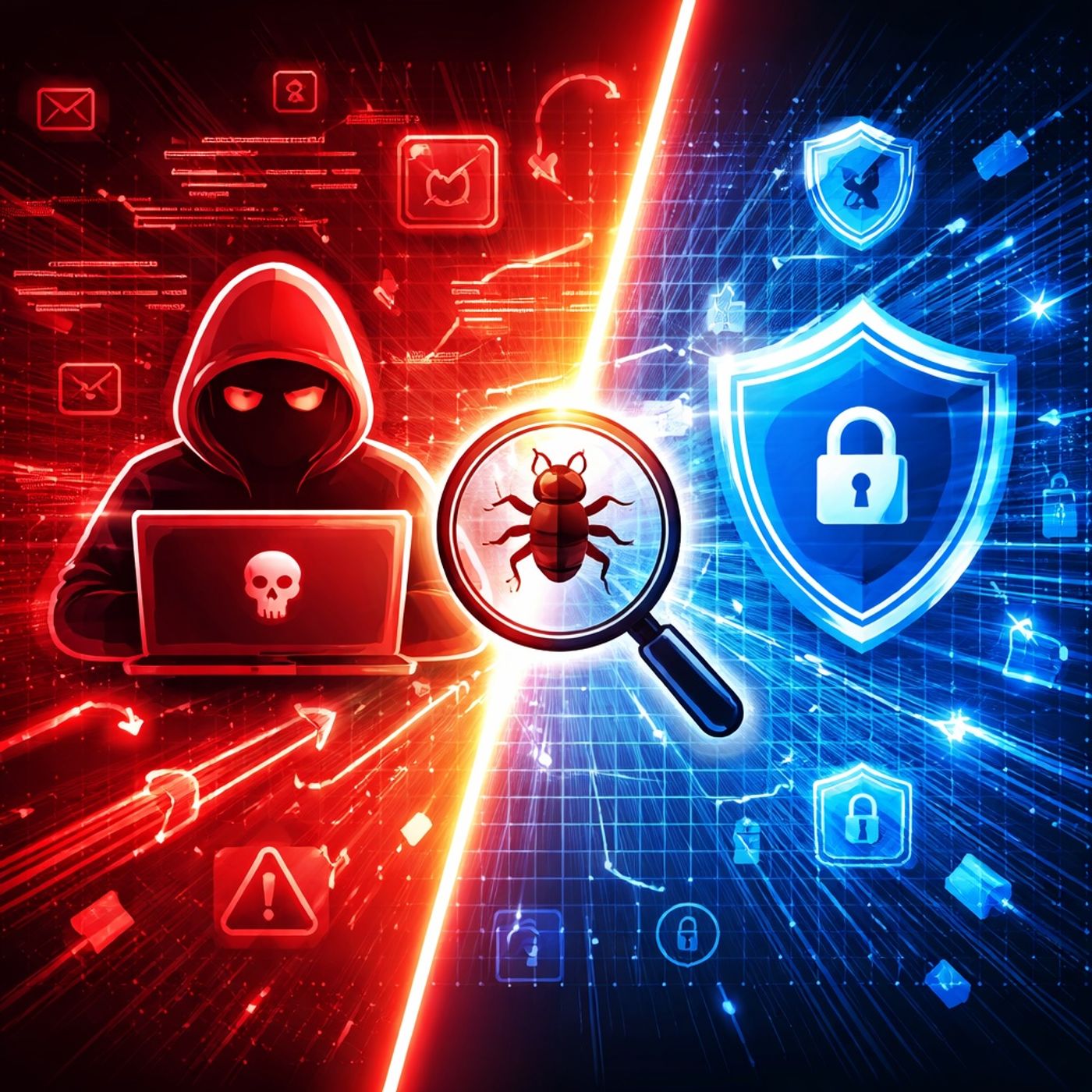
Course 16 - Red Team Ethical Hacking Beginner Course | Episode 7: The Art of Evasion: Detecting and Bypassing Security with Sysmon

Course 16 - Red Team Ethical Hacking Beginner Course | Episode 7: The Art of Evasion: Detecting and Bypassing Security with Sysmon

Published 4 months, 3 weeks ago
Description
In this lesson, you’ll learn about:
  • The adversarial relationship between red teams and blue teams
  • Core evasion philosophies used during red team engagements
  • How host-based monitoring tools like Sysmon detect attacker behavior
  • Common indicators defenders rely on to identify malicious activity
  • Why understanding detection tools is essential for both attackers and defenders
Overview This lesson explores the cybersecurity “cat and mouse game” between red teamers and blue teamers. It focuses on how attackers attempt to remain stealthy, while defenders deploy monitoring tools to detect abnormal behavior. The episode moves from evasion theory to a conceptual examination of Sysmon, a widely used Windows system monitoring utility, demonstrating how detection works—and how sophisticated attackers attempt to bypass it during authorized security assessments. The goal is not exploitation, but understanding limitations, detection gaps, and defensive improvements. 1. The Red Team Mindset: Evasion and Blending In A red teamer’s objective during an engagement is not chaos, but persistence without detection. Once detected, access is often lost, limiting the value of the assessment. Environmental Awareness Effective operators must understand:
  • What security controls are present
  • How those controls collect data
  • What behaviors are considered “normal” in the environment
Evasion decisions are based on this awareness, not randomness. Primary Evasion Strategies 1. Disabling Defenses
  • A direct but noisy approach
  • Immediately disrupts security visibility
  • Often triggers alerts and manual investigation
Risk: While effective short-term, it almost guarantees defender awareness. 2. Blending In
  • Mimicking legitimate user or system behavior
  • Using common protocols and expected execution patterns
  • Aligning malicious activity with typical system workflows
Strength: Reduces behavioral anomalies that monitoring tools flag. 3. Targeting Unwatched Areas
  • Identifying security blind spots
  • Leveraging exclusions or limited logging scopes
  • Operating where visibility is weakest
Reality: No monitoring solution observes everything equally. 2. The Blue Team Perspective: Detection with Sysmon What Sysmon Does Sysmon is a host-based monitoring tool that provides deep visibility into system activity, including:
  • Process creation events
  • Parent-child process relationships
  • Network connections
  • Registry modifications
It does not block attacks—it records evidence. Common Indicators Defenders Look For During the demonstration, Sysmon reveals attacker behavior through patterns such as:
  • Unusual executables placed in sensitive system directories
  • Randomized file names that do not match known software
  • Suspicious process chains, where core system processes launch unexpected children
  • Outbound network activity from processes that normally should not communicate externally
Detection relies less on a single event and more on correlation. 3. Counter-Evasion: Understanding the Limits of Monitoring Advanced red teamers study defensive tools not to destroy them, but to understand their coverage. Why This Matters Security tools:
  • Operate based on configuration
  • Have exclusions for performance and noise reduction
  • Can be misconfigured or incomplete
By understanding what is logged versus what is ignored, operators can predict detection likelihood. Key Defensive Lesson Even when a monitoring tool appears active:
  • Logg
Listen Now

Love PodBriefly?

If you like Podbriefly.com, please consider donating to support the ongoing development.

Support Us