Podcast Episode Details
Back to Podcast EpisodesChina Is Banning Tesla-Style Retractable Door Handles Over Safety Concerns
Premium automakers, especially those deep in the EV space, have developed a notable affection for retractable door handles, famously found on all Tesla models. They look clean, reduce drag, and fit the futuristic image many electric cars aim for. But while the design wins style points, safety concerns have piled up. China has now drawn a line in the sand. From January 1, 2027, retractable EV door handles will no longer be allowed on new vehicles sold in the country. Regulators argue that electric-only mechanisms can trap occupants during collisions or power loss, turning something as basic as opening a door into a life-or-death challenge.
Why China is Stepping In
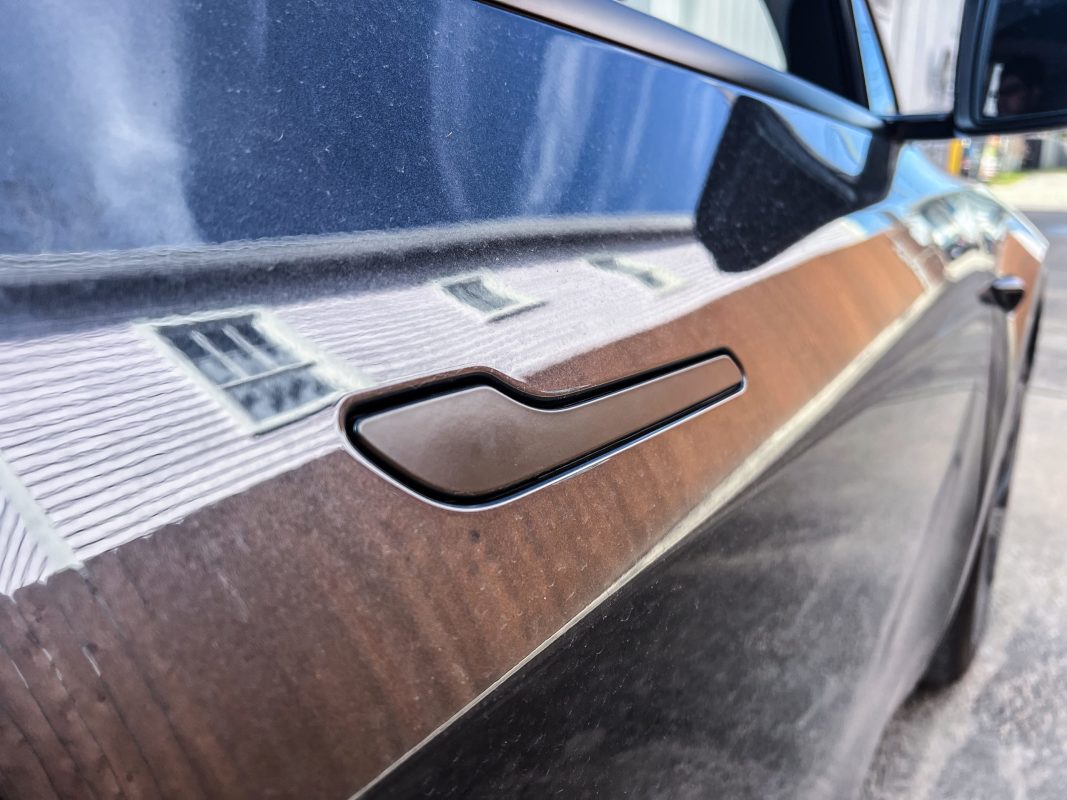
China’s Ministry of Industry and Information Technology recently released draft rules requiring all vehicles under 3.5 tons to have both interior and exterior handles with a mechanical emergency release. The idea behind it is straightforward. If a crash disables the battery or wiring, doors must still open manually. Many EVs already include mechanical releases inside the cabin, but owners often struggle to find them or difficult to operate under pressure – sometimes they don't work at all. Cold-weather failures, delayed deployment, and pinched fingers have also fueled frustration. This conversation isn't limited to China either. Earlier this month, a Rivian owner publicly called for more obvious emergency exit handles after struggling to locate them during a power failure.
Tesla Under The Spotlight

Tesla
While the regulations will affect several brands, including BYD and Mercedes-Benz, Tesla finds itself at the center of the discussion. All Tesla models use flush, electronically actuated handles that blend into the bodywork, and complaints have mounted over what happens when the system loses power. At least 15 people have died in Tesla crashes where electric door releases failed, and there are documented cases of Model Y occupants smashing windows to escape after the handles stopped working. Tesla’s minimalist approach has long been a talking point, but it may soon face major changes as regulators in the U.S. and abroad examine whether current designs meet emerging safety standards. With China being the world’s largest EV market, brands offering similar designs will have to go back to the drawing board if they want to keep their piece of the pie.