Podcast Episode Details
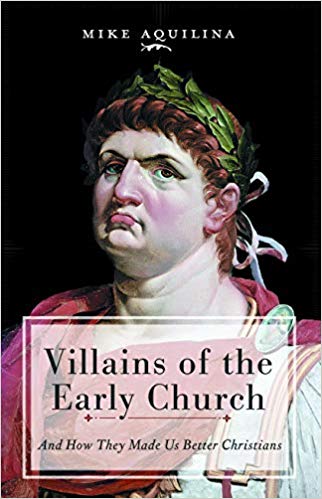
Back to Podcast EpisodesVEC9 – Diocletian – Villains of the Early Church with Mike Aquilina – Discerning Hearts Podcast
 Episode 9 – Diocletian – Villains of the Early Church with Mike Aquilina
Mike Aquilina discusses the Roman emperor Diocletian, whose name became permanently linked to one of the most prolonged and systematic persecutions in Christian history. Unlike earlier rulers driven by instability or rage, Diocletian was a capable administrator who sought to stabilize an overextended empire through careful political restructuring. His hostility toward Christians emerged gradually, shaped by the belief that refusal to participate in state religion threatened divine favor and imperial unity. The persecution unfolded methodically—through loss of property, status, and life itself—and endured for many years, producing countless martyrs, including figures still venerated today. What makes Diocletian tragic is that his administrative successes might have defined his legacy had this campaign not overshadowed everything else.
There is a deeper issue behind such violence: the absence of freedom of conscience in the ancient world. Early Christian thinkers like Tertullian and Lactantius articulated principles of religious liberty that later shaped Western thought. Diocletian’s actions became a template for later regimes in which the state claimed authority over worship and conscience, with devastating results across history. Drawing from the witness of the martyrs, the enduring lesson is steady faithfulness formed in daily prayer and discipline, so that when hardship arrives, one is not caught unprepared but grounded in habits formed during times of peace.
Discerning Hearts Reflection Questions
- How does Diocletian’s shift from capable ruler to persecutor reveal the danger of placing political unity above obedience to God?
- In what ways can periods of comfort or social acceptance weaken spiritual vigilance in daily Christian life?
- How does the witness of the early martyrs challenge modern assumptions about suffering, faithfulness, and success?
- What does this episode reveal about the importance of freedom of conscience in both religious and civic life?
- How can steady habits of prayer formed in peaceful times prepare a Catholic to remain faithful during trials?
- Where might subtle pressures from culture or authority today conflict with loyalty to Christ and the teachings of the Church?
 Published on 2 days, 16 hours ago