Episode Details
Back to Episodes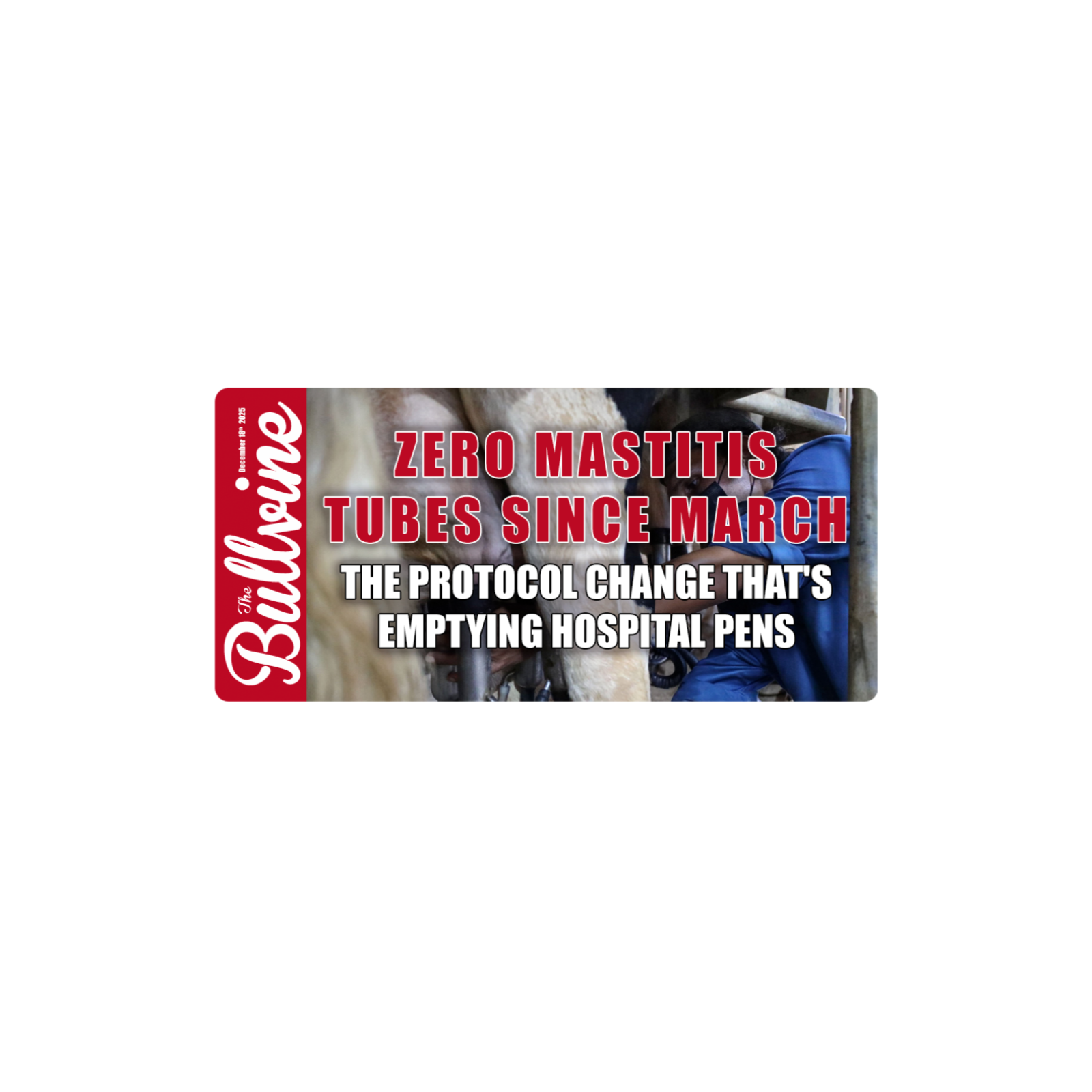
E444 Zero Mastitis Tubes Since March: The Protocol Change That’s Emptying Hospital Pens
Description
Your antibiotics aren't failing. The bacteria are hiding.
That chronic mastitis cow you keep treating—same quarter, same problem, every few weeks—isn't incurable. You've just been fighting the wrong battle. New research reveals that bacteria sheltered in biofilms are up to 1,000 times more resistant to antibiotics than free-floating bacteria. This single insight explains why some cows become permanent hospital pen residents no matter how many tubes you use. In this episode, we break down the science, examine real farm results, and explore why progressive operations are rethinking everything they thought they knew about chronic mastitis management.
KEY TAKEAWAYS:
- Why your best treatment protocols fail on repeat offenders—and what biofilm resistance actually means for udder health
- Real results: How one California dairy eliminated mastitis tubes entirely, and another cut udder health culling from 1-in-3 to 1-in-7
- The economics breakdown: Why protocols costing double upfront are delivering $26,764 net returns per 100 cows annually
- Where Selective Dry Cow Therapy fits—and why sequencing matters more than most producers realize
- Who sees results and who doesn't: The specific farm characteristics that predict success or struggle
- Regional considerations: Why California protocols don't automatically translate to Wisconsin winters
- The implementation timeline: What to expect at months 1, 3, 6, and 12
DEEPER DIVE – WHY LISTEN:
This episode challenges one of dairy's most accepted frustrations: the "chronic cow" who cycles through the hospital pen indefinitely.
We examine field trial data showing bacteria in biofilms create protective structures—essentially fortresses—that render standard antibiotic treatments ineffective. Rather than developing stronger antibiotics (which accelerates resistance), researchers are now targeting bacterial communication systems before these fortresses can form.
The farm-level results are striking. We discuss operations where hospital pens now sit empty most days and udder health culling has dropped dramatically. We also examine the economics honestly—yes, biofilm prevention protocols cost roughly double traditional treatments upfront, but the documented ROI from increased production, reduced treatment costs, eliminated withdrawal losses, and improved reproduction creates compelling returns within months.
Critically, we address who this approach works for and who it doesn't. Field observations suggest 5-10% of operations don't see dramatic improvements, typically those with severe existing problems or crisis-driven implementation. Success correlates more with management capacity and timing than herd size.
We also explore how biofilm prevention integrates with Selective Dry Cow Therapy—not as competing approaches, but as complementary tools with proper sequencing.
Whether you're running 100 cows or several thousand, this episode provides the framework to evaluate whether biofilm prevention makes sense for your operation.
RESOURCES & ENGAGEMENT:
Ready to dig deeper? The complete article with detailed economic breakdowns and case studies is available at https://www.thebullvine.com/management/zero-mastitis-tubes-since-march-the-protocol-change-thats-emptying-hospital-pens/.
Considering biofilm prevention for your operation? Start by asking your technical advisor for a biofilm audit—it's a simple first step to understand where you stand.
Subscribe to The Bullvine Podcast so you never miss an episode. New insights on genetics, management, and profitability drop regularly.