Podcast Episode Details
Back to Podcast EpisodesVEC8 – Celsus – Villains of the Early Church with Mike Aquilina – Discerning Hearts Podcast
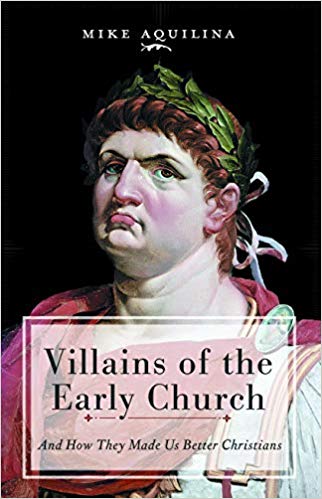
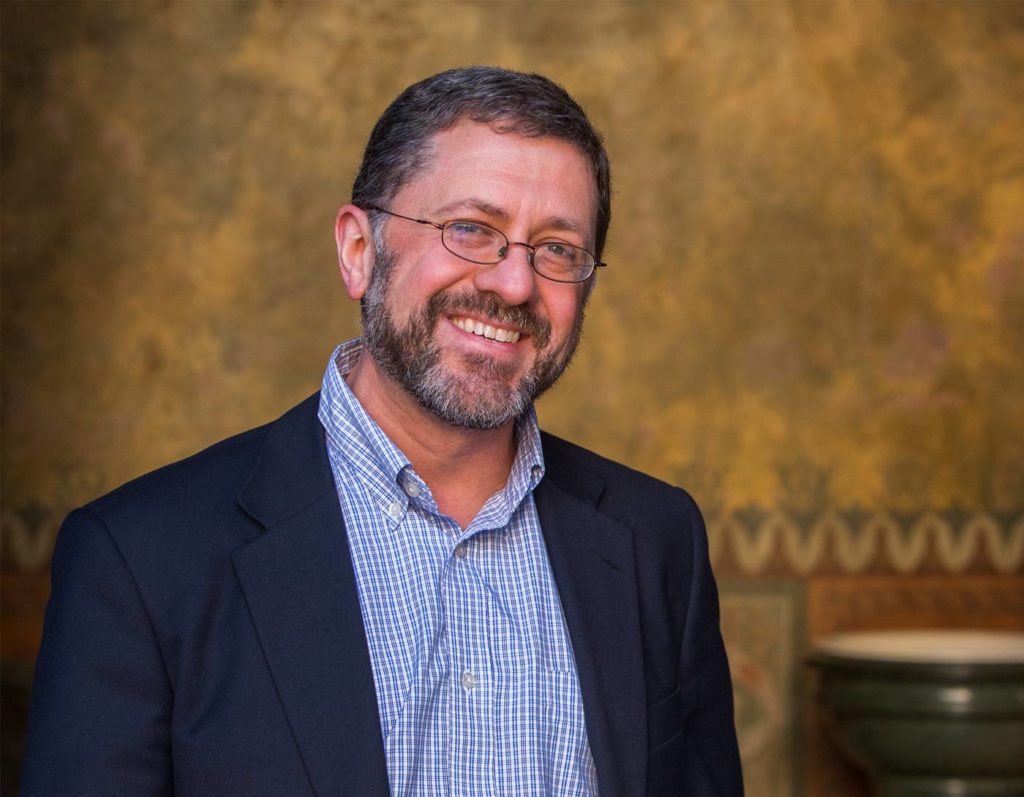 Episode 8 – Celsus – Villains of the Early Church with Mike Aquilina
Mike Aquilina discusses the second-century pagan intellectual Celsus, a formidable critic of early Christianity whose work unintentionally preserved valuable insight into the objections Christians faced in the ancient world. Celsus was a serious compiler of knowledge who treated Christianity alongside medicine, law, and agriculture, largely because the Church had become impossible to ignore. Drawing heavily from hostile sources, he misunderstood core Christian claims such as the Trinity, the virginal conception, and the role of women in the Church, often filtering them through the cultural and “scientific” assumptions of his time. These critiques, though flawed, are historically important because they reveal how Christianity challenged deeply held norms of Greco-Roman society, especially regarding monotheism, human dignity, and the equal worth of men and women.
The major arguments raised by modern critics of Christianity are often recycled versions of ancient claims, already addressed by early thinkers like Origen and St. Augustine. Rather than seeing intellectual challenges as threats, Mike Aquilina frames them as occasions for growth in understanding, prayer, and maturity. It draws parallels between knowing God and knowing a loved one: surface-level claims lose their power when grounded in lived relationship. Science and faith are not rivals; in fact, Christian ideas about creation, reason, and order laid foundations for scientific progress. We ought to seek thoughtful answers, cultivate a disciplined life of prayer, and allow challenges to deepen one’s relationship with Christ rather than weaken it.
Discerning Hearts Reflection Questions
- How does learning about ancient critics of Christianity help me better understand and trust the development of Church teaching today?
- In what ways do my own cultural assumptions shape how I hear or judge the claims of the Christian faith?
- How do intellectual challenges to Christianity invite me to grow in humility rather than defensiveness?
- What practices help me distinguish between surface-level knowledge about God and a lived relationship with Him?
- How does the Church’s historical engagement with science inform the way I approach modern scientific questions?
- When confronted with difficult teachings, do I seek deeper understanding through prayer, study, and tradition?
- How can time spent in prayer strengthen my ability to respond calmly and faithfully to doubts or criticisms?
 Published on 1 week, 1 day ago