Podcast Episode Details
Back to Podcast Episodes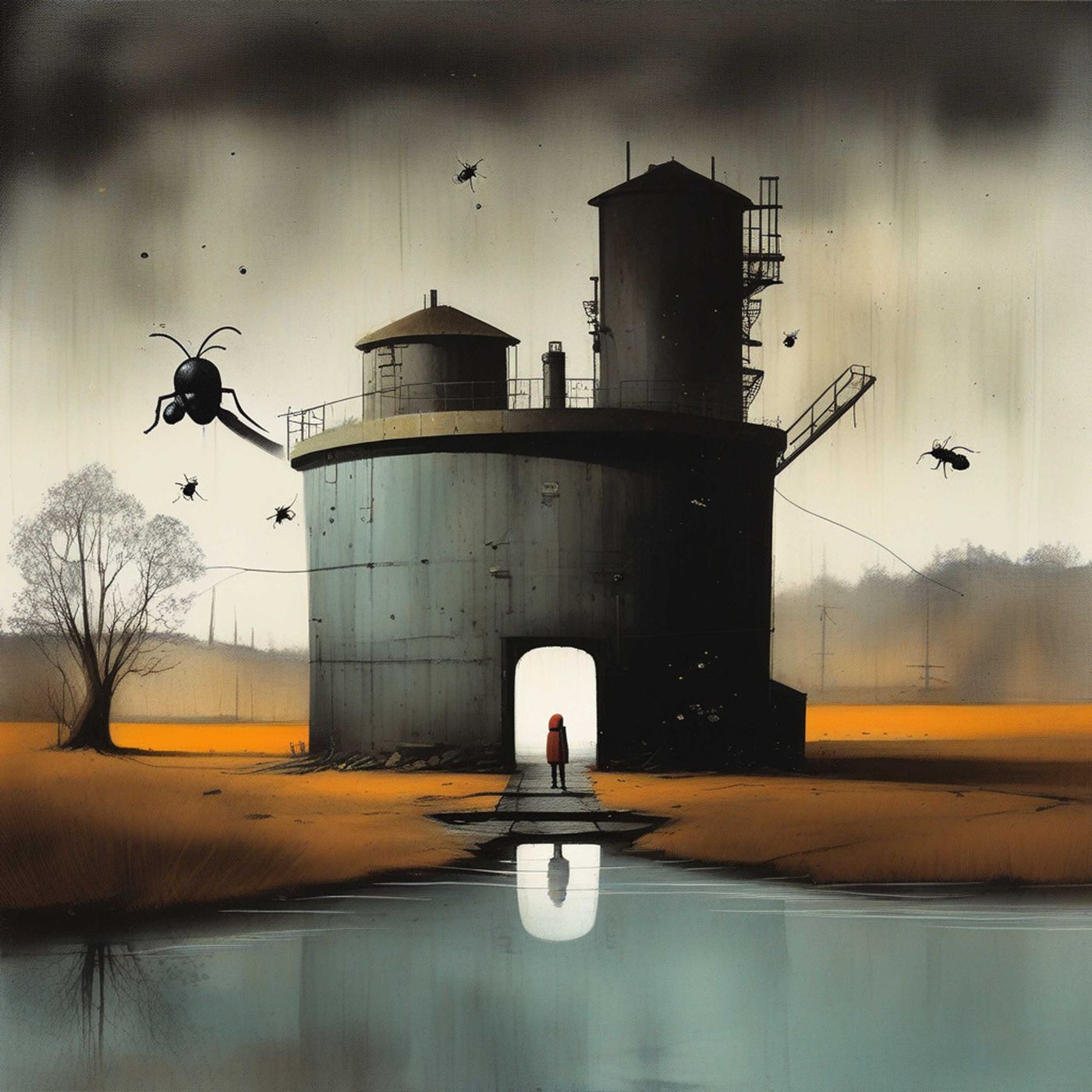
The Wasp Factory: An Engaging Audio Summary of Iain Banks' Dark Novel
1 What's The Wasp Factory
The Wasp Factory by Iain Banks explores themes of identity, isolation, and the nature of violence through the disturbing narrative of Frank, a disturbed young boy living on a remote Scottish island. The story unfolds as Frank reveals his eccentric rituals and dark past, including the murder of several children and animals, all while maintaining control over his chaotic world through the creation of the titular "Wasp Factory," a mechanism used for determining fate. As Frank's psychological complexities and the blurred lines between madness and existential insight are examined, the novel delves into issues of gender identity and the impact of family dynamics, ultimately leading to a shocking revelation about Frank’s true identity.
2 Key Concepts of The Wasp Factory
In Chapter 1 of "The Wasp Factory," the theme of isolation and the protagonist Frank's disturbed psyche is introduced through his solitary life and violent thoughts. This theme is echoed in Chapters 2, where Frank reflects on his past experiences and family dynamics that contribute to his isolation, and Chapter 12, where the consequences of his actions reveal the deep-seated effects of his reclusive environment. Additionally, Chapter 5 explores Frank's rituals and the sense of control he seeks in a world filled with chaos, further emphasizing the overarching theme of isolation and its impact on his identity.
3 In-Depth Chapter Analysis of The Wasp Factory by Iain Banks
In Iain Banks' The Wasp Factory, the structure of the novel is significant as it unfolds the protagonist Frank's troubled psyche alongside the exploration of themes such as identity, violence, and the nature of evil. Chapter 1 introduces us to Frank's bizarre rituals and the titular Wasp Factory, setting the stage for the exploration of Frank's eccentric identity and his relationship with death and violence. The chapter is steeped in themes of isolation and existential inquiry as Frank describes the meticulous processes of his mechanical beast, symbolizing his need to control life and death. This control highlights Frank’s fear of losing his identity amidst societal norms, as he views himself as distinctly separate from the world around him.
As the narrative progresses, particularly in Chapter 3, Frank's recollection of past murders he committed serves to further develop the theme of violence as intrinsic to his identity. The brutal acts—like the killings of his brother and a local dog—are chillingly presented, showcasing Frank's detachment and normalization of violence in his worldview. The recurring motif of death not only drives home the theme of malevolence but also interrogates conventional notions of masculinity and power, as Frank's actions are steeped in a desire to assert dominance over his environment and his own gendered identity. Thus, the chapter intricately ties back to the overarching themes of the novel, emphasizing how Frank’s destructive tendencies stem from deeply rooted psychological disturbances.
1.Listen The Wasp Factory Audiobook summary at Bookey
2.Buy The Wasp Factory at Amazon
3.Buy The Wasp Factory at Kobo
4.Search The Wasp Factory at worldcat
Published on 2 days, 3 hours ago