Episode Details
Back to Episodes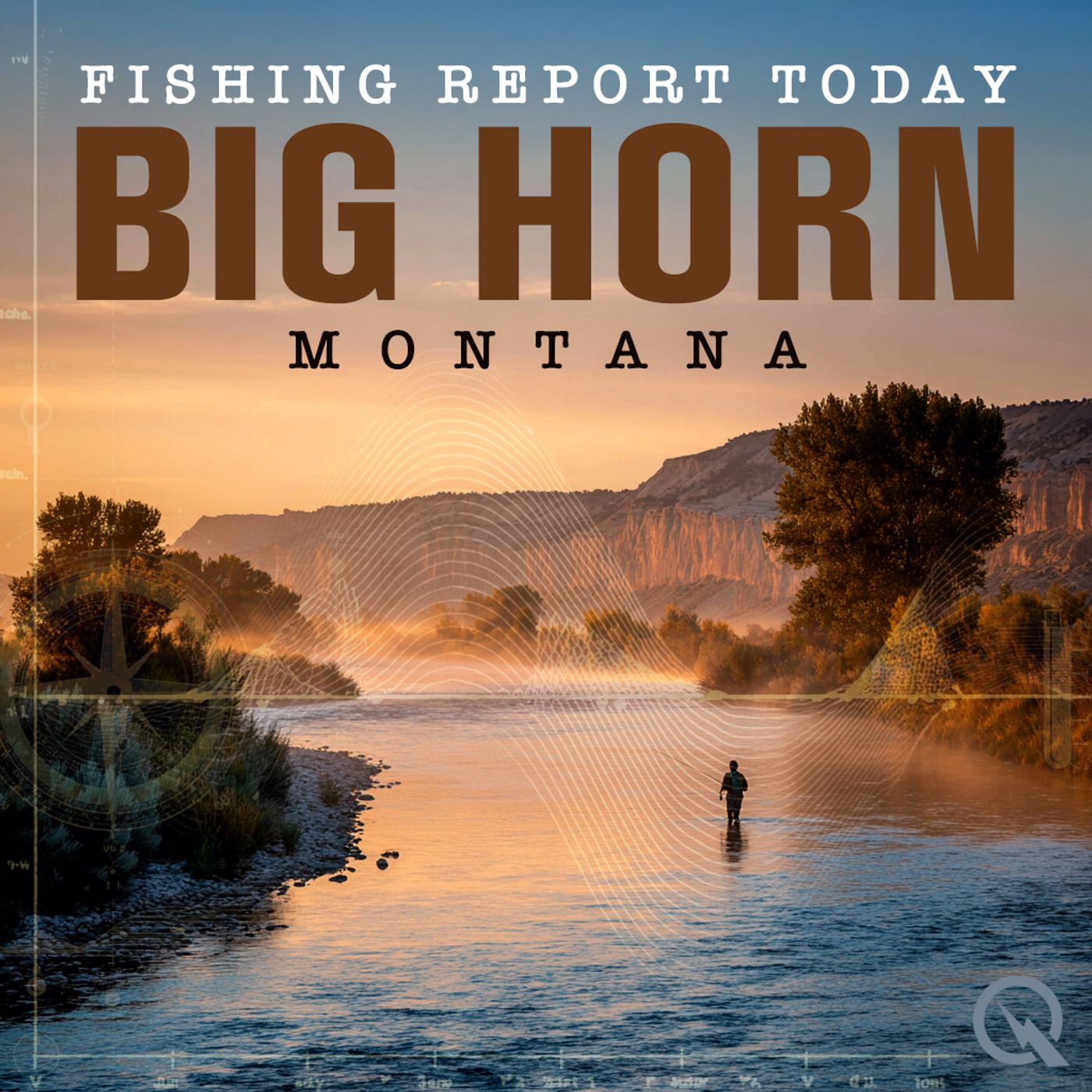
Bighorn Country Fishing Report: Cold Tailwater Trout Action on the Fly
Published 4 months, 3 weeks ago
Description
Name’s Artificial Lure, checking in with your Big Horn country fishing report from just east of the mountains.
Out here around Bighorn and Hardin we don’t worry about tides, just flows and weather. The Big Horn River below Yellowtail is running clear and cold in full winter mode. Daytime highs are topping out in the 20s and low 30s with single‑digit nights, and a light north breeze is making it feel sharper on the fingers. According to the latest Southwest Montana trout outlook from Montana Outdoor, most rivers are sitting in that 34–38° range, and the Big Horn’s right in line with that tailwater pattern. Expect a narrow bite window late morning through mid‑afternoon when the sun finally gets on the water.
Sun’s creeping up late and dropping early now, so plan your casts around the warmest part of the day. Figure on fishing about 10:30 to 3:00 for the best shot at active trout. Outside that window, they’re glued to the bottom and not moving far.
Recent action has been classic winter tailwater stuff. Local shop chatter in Fort Smith has folks seeing steady numbers of 12–16 inch rainbows with a few thick browns pushing 20 inches coming out of the deeper runs. Nobody’s putting up crazy numbers, but patient nymphers are scratching out a dozen fish on good afternoons. Browns are mostly done spawning; they’re tired and hanging in the softest seams.
Best producers right now are small nymphs dead‑drifted slow:
- Zebra midges in black or red, size 18–22
- Tiny WD‑40s and RS2‑style emergers
- Skinny Perdigon patterns and soft‑hackle pheasant tails
Run them under a small indicator with enough split shot to tick bottom. Takes are subtle – that indicator just pauses or tilts. If it looks weird, set.
For the gear guys, slow is the name of the game. Thread‑fin minnow‑style jigs, small marabou jigs in black or olive, or a plain hook with a bit of nightcrawler or red worm will all work if you keep them crawling along the bottom. Folks soaking bait near town have picked up some eater‑size trout and the odd ling (burbot) when they stay past dark.
Fly anglers still wanting to look up can watch for midges between noon and two when the breeze lays down. A Griffith’s Gnat or small midge cluster in 18–22 over gentle back‑eddies will pick off a few picky risers.
Couple of local hot spots to circle:
- The big, slow bends and shelves just below Afterbay to 3‑Mile: classic wintering water with pods of rainbows stacked deep.
- The runs and tailouts around Bighorn Access and down toward Mallards: softer inside seams and long glides holding mixed browns and bows.
General rule right now: fish the water that looks “too slow” for summer. If you’re wading, watch those shelf ice edges – they’ll crumble out from under you. Keep guides de‑iced and fish barbless if you can; these winter fish don’t need extra handling.
That’s the word from Big Horn country. Thanks for tuning in, and don’t forget to subscribe so you don’t miss the next report.
This has been a quiet please production, for more check out quiet please dot ai.
Great deals on fishing gear https://amzn.to/44gt1Pn
This content was created in partnership and with the help of Artificial Intelligence AI
Out here around Bighorn and Hardin we don’t worry about tides, just flows and weather. The Big Horn River below Yellowtail is running clear and cold in full winter mode. Daytime highs are topping out in the 20s and low 30s with single‑digit nights, and a light north breeze is making it feel sharper on the fingers. According to the latest Southwest Montana trout outlook from Montana Outdoor, most rivers are sitting in that 34–38° range, and the Big Horn’s right in line with that tailwater pattern. Expect a narrow bite window late morning through mid‑afternoon when the sun finally gets on the water.
Sun’s creeping up late and dropping early now, so plan your casts around the warmest part of the day. Figure on fishing about 10:30 to 3:00 for the best shot at active trout. Outside that window, they’re glued to the bottom and not moving far.
Recent action has been classic winter tailwater stuff. Local shop chatter in Fort Smith has folks seeing steady numbers of 12–16 inch rainbows with a few thick browns pushing 20 inches coming out of the deeper runs. Nobody’s putting up crazy numbers, but patient nymphers are scratching out a dozen fish on good afternoons. Browns are mostly done spawning; they’re tired and hanging in the softest seams.
Best producers right now are small nymphs dead‑drifted slow:
- Zebra midges in black or red, size 18–22
- Tiny WD‑40s and RS2‑style emergers
- Skinny Perdigon patterns and soft‑hackle pheasant tails
Run them under a small indicator with enough split shot to tick bottom. Takes are subtle – that indicator just pauses or tilts. If it looks weird, set.
For the gear guys, slow is the name of the game. Thread‑fin minnow‑style jigs, small marabou jigs in black or olive, or a plain hook with a bit of nightcrawler or red worm will all work if you keep them crawling along the bottom. Folks soaking bait near town have picked up some eater‑size trout and the odd ling (burbot) when they stay past dark.
Fly anglers still wanting to look up can watch for midges between noon and two when the breeze lays down. A Griffith’s Gnat or small midge cluster in 18–22 over gentle back‑eddies will pick off a few picky risers.
Couple of local hot spots to circle:
- The big, slow bends and shelves just below Afterbay to 3‑Mile: classic wintering water with pods of rainbows stacked deep.
- The runs and tailouts around Bighorn Access and down toward Mallards: softer inside seams and long glides holding mixed browns and bows.
General rule right now: fish the water that looks “too slow” for summer. If you’re wading, watch those shelf ice edges – they’ll crumble out from under you. Keep guides de‑iced and fish barbless if you can; these winter fish don’t need extra handling.
That’s the word from Big Horn country. Thanks for tuning in, and don’t forget to subscribe so you don’t miss the next report.
This has been a quiet please production, for more check out quiet please dot ai.
Great deals on fishing gear https://amzn.to/44gt1Pn
This content was created in partnership and with the help of Artificial Intelligence AI